Britain Introduces Social Media Age Restriction for Minors
Britain will ban under 16s – Prime Minister Keir Starmer has announced a new policy in the United Kingdom that will prohibit children under the age of 16 from accessing popular social media platforms such as Snapchat, TikTok, and YouTube. The measure aims to shield young users from exposure to harmful content and reduce the amount of time spent on screens, according to the government’s stated rationale. The plan is set to take effect early next year, positioning the UK as part of a global push to enhance online safety for children.
Policy Aims to Reduce Harmful Content Exposure and Screen Time
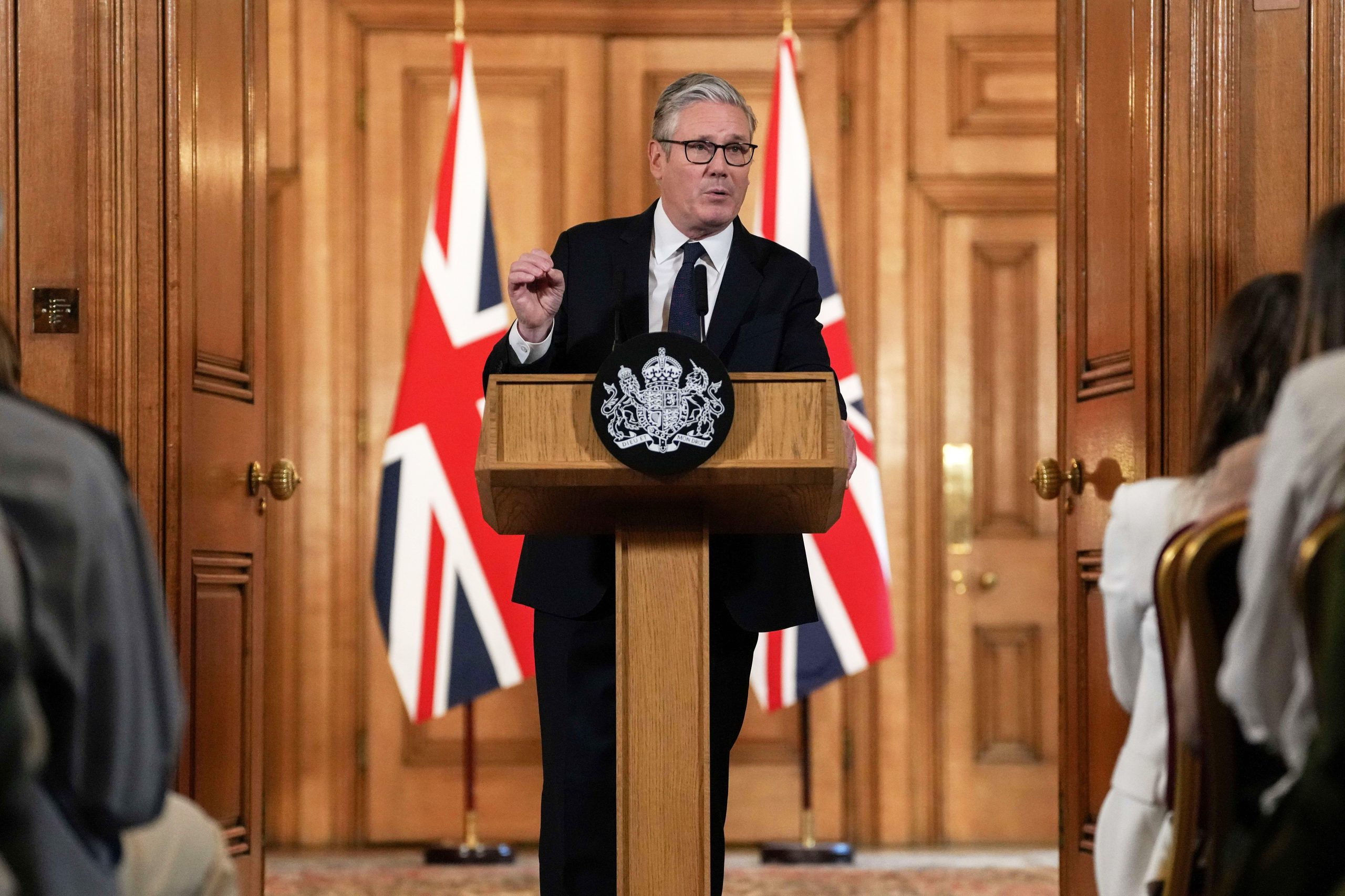
Speaking at a press briefing, Starmer emphasized the need to act decisively in safeguarding children’s well-being. “Every parent can see it with their own eyes. Social media is making children unhappy,” he said, citing personal experience with his teenage children. The leader acknowledged that some adolescents may attempt to bypass the restriction but insisted that the policy’s core objective—child safety—would remain uncompromised.
“I’ve heard first hand from families crying out for change and we will do right by them.”
The regulation will apply to platforms including Snapchat, TikTok, YouTube, Instagram, Facebook, and X, though exceptions will be made for YouTube Kids and messaging services like WhatsApp and Signal. Starmer clarified that enforcement will focus on technology companies rather than individual children, ensuring accountability for platforms that fail to implement age verification measures.
Global Precedents and Comparative Measures
The UK’s approach aligns with similar initiatives in other nations. Australia, for instance, became the first country to restrict under-16s from maintaining social media accounts, a model the British government has adopted. Other countries such as Canada, Brazil, and Indonesia have introduced age-based restrictions or requirements, while France, Spain, and South Korea are exploring comparable strategies.
“Every parent can see it with their own eyes. Social media is making children unhappy.”
Starmer noted that the UK will go further than Australia’s measures by addressing additional risks, such as strangers contacting children on gaming and livestreaming platforms. The government is also evaluating the possibility of implementing overnight curfews and interrupting infinite scrolling features for users under 18, with more details expected to be released next month.
Public Response and Support for the Initiative
The decision followed a public consultation that gathered over 116,000 responses from parents, educators, and young users. This number surpasses only the input received during a 2012 debate on same-sex marriage, underscoring the widespread interest in the issue. The government reported that more than 90% of respondents supported the ban, citing concerns about mental health, cyberbullying, and online predators.
“potentially save so many children’s lives,”
said Esther Ghey, a parent whose 16-year-old daughter Brianna was killed in 2023 by two teenagers who accessed harmful content online. Ghey emphasized that the policy must be paired with other safeguards to ensure its effectiveness. The NSPCC, a prominent children’s charity, endorsed the initiative but urged the government to enforce “robust age checks” and ensure platforms adhere to the rules.
Critics Raise Concerns About Data Privacy and Enforcement
Despite the broad support, some groups have voiced concerns about the implementation. The Open Rights Group, for example, highlighted potential issues with age verification systems and the protection of users’ private data. They warned that reliance on third-party companies to verify ages could create vulnerabilities, such as data breaches or inaccurate checks.
“push kids out of such curated, supervised, beneficial experiences and towards anonymous, less-safe services,”
said a YouTube spokesperson, arguing that a blanket ban might drive children to unregulated platforms. However, Starmer maintained that the policy would encourage a cultural shift, fostering a belief that children can grow up without constant social media dependence.
Political Context and Potential Impact on Leadership
The policy comes amid political challenges for Starmer, who has been under pressure from within his own party for perceived leadership shortcomings. His recent election just under two years ago has positioned him as a key figure in shaping the UK’s regulatory landscape. Starmer has positioned this move as part of his broader effort to leave a lasting legacy, emphasizing the importance of prioritizing children’s safety over short-term political gains.
“a cultural change, a sense that actually you can grow up differently.”
The ban could further strain relations with the United States, which has warned that broad regulations might infringe on free speech protections. The U.S. Embassy in London expressed concerns about the potential burden on American tech companies, stating that the UK’s approach could create additional compliance costs. Starmer plans to discuss these issues with U.S. President Donald Trump and other global leaders at an upcoming Group of Seven summit in France, scheduled to begin this week.
Starmer’s Commitment to Child Protection and Future Discussions
Starmer has framed the ban as a necessary step to address the growing risks of digital environments. While acknowledging the challenges, he argued that the policy would lead to a significant decline in children’s social media usage and promote healthier online habits. The government’s focus on enforcing the rule through fines for platforms that do not comply with age restrictions underscores its determination to hold tech companies accountable.
“I honestly think that across world leaders, there has always been a recognition that leaders have to take steps to protect children.”
Starmer’s remarks reflect a broader consensus among international leaders on the importance of safeguarding youth in the digital age. He added that while debates about the exact scope of regulations will continue, the overall goal of protecting children is non-controversial. The UK’s move is expected to influence global discussions on balancing online access with child safety, setting a precedent for other nations to follow.
As the policy prepares to implement, the debate over its effectiveness and impact continues. Supporters argue that it will create a safer digital environment for young users, while critics stress the need for transparency in age verification processes and the potential for unintended consequences. The coming months will be critical in determining how the UK’s approach shapes the future of social media regulation for children worldwide.