Hey, Siri: Apple just announced a long-awaited AI update
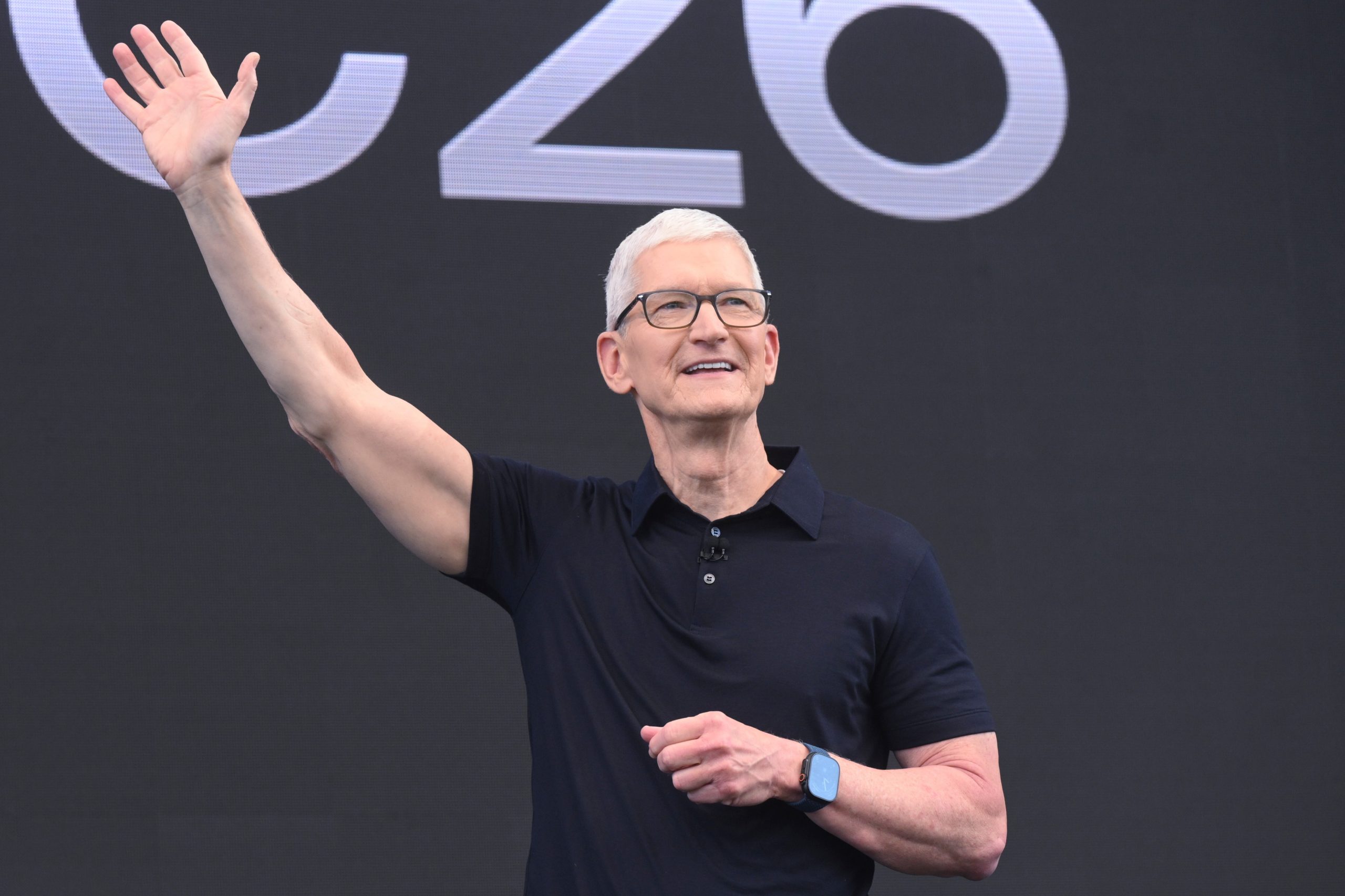
Hey Siri – At its Worldwide Developers Conference (WWDC) in June 2026, Apple unveiled a transformative shift toward artificial intelligence, introducing a major overhaul for its digital assistant, Siri. The update, which has been in development for several years, marks a pivotal moment for the company as it aims to integrate AI more deeply into its ecosystem. However, the announcement initially sent its stock price tumbling by nearly 2%, sparking mixed reactions from investors and analysts alike.
Apple’s AI Initiative at WWDC 2026
The new Siri, now branded as “Siri AI,” is set to be available in a standalone app and integrated into Apple’s search functionality across devices. This change reflects a broader strategy to embed AI into everyday tasks, such as searching for information, managing photos, and interacting with emails. Despite the company’s focus on utility and privacy, the market’s initial response suggests skepticism about the long-term impact of the update.
“Today we’re taking a big step forward,” said Craig Federighi, Apple’s senior vice president of software design. “We believe that truly helpful AI must be centered around you and your needs.”
Federighi’s remarks highlight Apple’s emphasis on user-centric design, a principle that has guided its approach to AI development. He contrasted the company’s method with those of competitors who, according to him, might prioritize AI for its own sake rather than for the people it serves. This philosophy is central to Apple’s vision of creating an AI assistant that feels intuitive and seamless in daily use.
The Evolution of Siri
Siri’s recent redesign follows a series of delays that once raised doubts about Apple’s commitment to AI innovation. While chatbots like ChatGPT and Claude have gained widespread popularity for their advanced capabilities, Siri has been perceived as lagging in functionality and adaptability. The new version, demonstrated through a series of video clips during the conference, aims to close this gap by offering more personalized and proactive assistance.
The updated Siri will leverage cloud computing networks and internet resources, but it will also draw insights from a user’s personal data stored on Apple devices. This includes email history, text messages, and other contextual information, allowing the assistant to provide more tailored recommendations. For instance, it could suggest restaurant options based on a user’s past preferences or retrieve contact details from their message archives.
Analyst Perspectives on Apple’s Strategy
Ben Bajarin, CEO of Creative Strategies, noted that Siri’s current limitations set a relatively low benchmark for improvement. He argued that Apple has the unique opportunity to integrate AI into its vast user base through its popular products, which could position the company as a leader in AI-driven consumer experiences. “It looks like it’s a pretty big upgrade,” Bajarin remarked, “and it will work very cleanly into a whole slew of things that consumers might already do.”
Francisco Jeronimo of IDC offered a different perspective, emphasizing Apple’s goal to make AI “disappear into the operating system.” He suggested that the company’s approach is less about creating a standalone AI experience and more about enhancing existing tools so they feel natural and unobtrusive. “If Apple makes AI feel natural, private, and useful for mainstream users, it will not just strengthen its ecosystem. It could redefine what consumers expect from every device they use,” he stated.
Global Rollout and Strategic Partnerships
The new Siri AI will initially launch in the United States later this year, with additional language support expected shortly. However, its release in the European Union and China may be delayed due to regulatory hurdles, a move that has drawn attention from global markets. This decision underscores the challenges Apple faces in scaling AI features across different regions.
Apple’s collaboration with Google, announced in January 2026, plays a crucial role in this AI advancement. By leveraging Google’s Gemini AI model, Apple aims to accelerate its development without fully relying on its own in-house systems. Daniel Newman, CEO of Futurum Group, described this partnership as a “prove-it moment” for Apple, noting that the company’s promises on Monday have potential but require real-world validation.
“My first reaction — and I think the reason the stock sort of fell — was it’s ticking a box, but still uninspiring,” Newman said. “Given the fits and starts of Apple’s AI rollout over the last few years, I don’t know that they’ve given us enough reason to believe they can be trusted this time. The proof is going to have to be in the delivery, in the execution.”
Newman’s comments reflect a broader concern among investors about Apple’s ability to deliver consistent AI improvements. While the company has been investing heavily in AI, its reliance on Google’s Gemini model may be seen as a pragmatic step rather than a bold innovation. Yet, this strategy also allows Apple to avoid the high costs of developing its own AI from scratch, a factor that could be beneficial in the long run.
Challenges and Future Outlook
Despite the promising features, the success of Siri AI hinges on its ability to meet user expectations in the real world. Analysts agree that the true test will come after the update is available to the public. “I think now we’ll just have to see how it actually works,” Bajarin added, acknowledging that the demo footage might not fully capture the complexity of the new assistant.
Apple’s approach to AI also raises questions about the balance between innovation and privacy. By using personal data to enhance functionality, the company aims to provide a more relevant experience without compromising user security. This focus on privacy could be a key differentiator in a market where data breaches and surveillance concerns are growing.
As Apple continues to refine its AI offerings, the tech industry watches closely. The company’s ability to integrate AI smoothly into its devices while maintaining its signature design and user experience will determine its competitiveness. With competitors like Google and Microsoft already pushing the boundaries of AI, Apple’s latest update represents both a milestone and a challenge in the evolving landscape of artificial intelligence.
Additional Updates and Broader Implications
Alongside the AI enhancements, Apple also announced new parental controls for apps and other services. These features allow parents to monitor and manage their children’s digital activity, adding another layer of control to the company’s ecosystem. While not as headline-grabbing as the Siri update, they reflect Apple’s ongoing efforts to address user concerns about data privacy and child safety.
The combination of AI upgrades and enhanced parental controls positions Apple to strengthen its appeal across diverse demographics. By integrating AI into core functionalities and offering tools that cater to families, the company aims to solidify its market position. However, the initial stock reaction suggests that investors are cautious, waiting for tangible results before fully embracing the changes.
As the tech world races to harness the power of AI, Apple’s move at WWDC 2026 marks a critical juncture. The company’s vision of making AI feel natural and private may resonate with users, but it will require careful execution to avoid the pitfalls of previous AI initiatives. The coming months will be pivotal in determining whether Apple’s long-awaited update delivers on its promises and redefines the future of digital assistants.