Houthi attacks on Saudi Arabia ignite fires at oil facilities and wound 73 people

Daftar Isi
Saudi Arabia’s Southern Oil Belt Hit by Coordinated Houthi Missile and Drone Barrage
Ecorescuezone.com – More than seventy people were injured and multiple petroleum installations caught fire across Saudi Arabia’s southern provinces on Tuesday, marking the most significant cross-border military strike on the kingdom’s territory since the renewed confrontation with Yemen’s Houthi movement. Saudi authorities confirmed that ballistic missiles and drones struck civilian infrastructure, energy assets, and a military airfield in four cities simultaneously, temporarily halting operations at key refineries and utility networks.
The assault represents a sharp escalation in a conflict that has already consumed nearly three years of regional instability and now threatens to choke two of the world’s most vital maritime corridors almost simultaneously.
What Struck Where
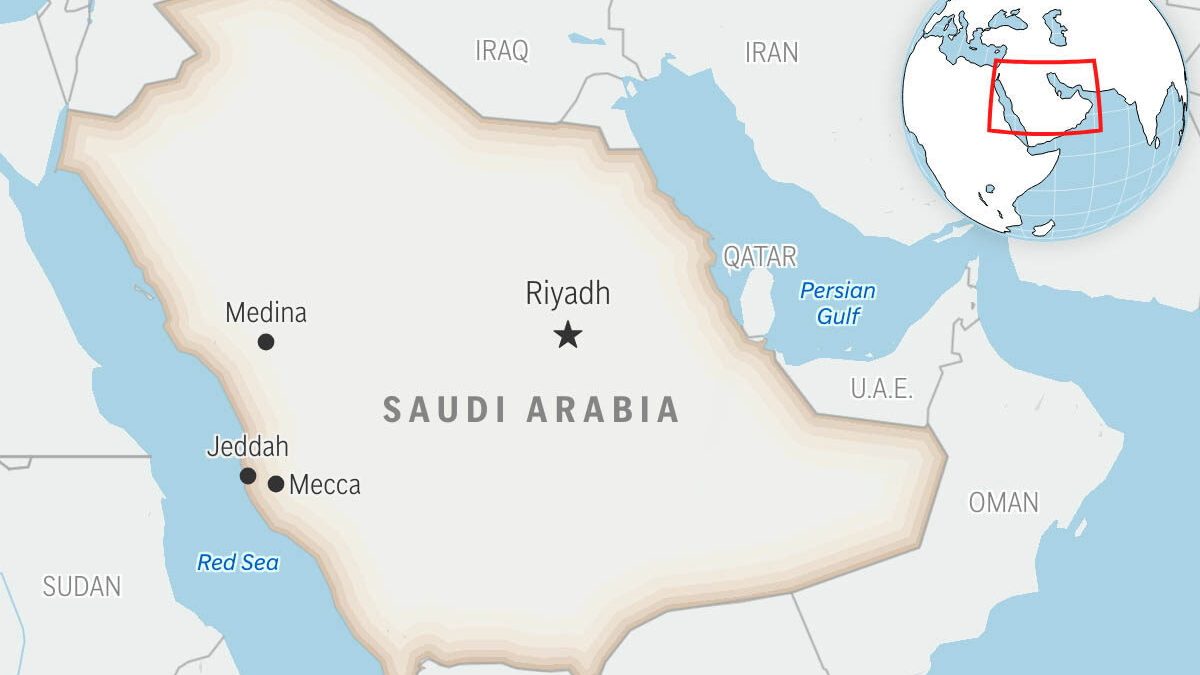
Maj. Gen. Turki al-Malki, the public voice of the Saudi-led coalition operating in Yemen, identified the targets as “civilian and economic facilities” spread across Abha, Jazan, Najran, and Khamis Mushait. He confirmed a toll of 73 wounded, noting that women and children were among the injured, though he offered no further breakdown of injuries or fatalities.
The kingdom’s Energy Ministry issued a separate statement confirming that fires broke out at several oil installations and public-utility sites in the southern region. Operations at those facilities were suspended temporarily while firefighting crews worked through Tuesday morning to bring the blazes under control.
The geography of the strikes matters. Saudi Arabia’s southern belt concentrates some of the country’s most critical downstream petroleum infrastructure. Among the assets in the affected zone is a 400,000-barrel-per-day refinery in Jazan, one of the largest in the kingdom. The Houthis had previously targeted the Abha airport, so Tuesday’s salvo extended the pattern of strikes into deeper industrial territory.
Houthi Claims and Military Detail
The rebels took full responsibility in a prerecorded video released by Brig. Gen. Yahya Saree, their military spokesman. He stated that dozens of ballistic missiles and drones were launched at oil and economic installations as well as an air base in southern Saudi Arabia.
Saree specified that Jazan City for Primary and Downstream Industries — a major industrial and logistics complex on the southwestern Red Sea coast — was a primary target. He also named Aramco facilities in both Najran and Abha, along with King Khalid Air Base in Khamis Mushait, as sites struck in the coordinated barrage.
“Every aggression against our country and people will be met with a firm response,” Saree warned, placing the blame for the escalation squarely on Riyadh.
Nasruddin Amer, deputy head of the Houthi media office and overseer of the rebels’ Saba news agency, amplified the message on social media shortly after the strikes.
“The Saudi enemy has to understand that the time for committing crimes and massacres against the Yemeni people without response, deterrence or paying a price has ended,” he wrote.
Strategic and Economic Stakes
The timing of the attacks compounds an already severe squeeze on global energy logistics. The Bab al-Mandeb strait, which funnels oil and commercial shipping between the Red Sea and the Gulf of Aden, now faces renewed disruption risk from Saudi-Houthi hostilities. At the same time, the ongoing Iran war has nearly halted tanker traffic through the Strait of Hormuz, the waterway that carried roughly one-fifth of the world’s oil before hostilities began. With both chokepoints under pressure, markets face a compounding supply shock that few analysts had fully priced in.
Shipping insurers and commodity traders have been watching the Red Sea corridor closely since the Houthis resumed attacks on tankers and Saudi-allied vessels. Tuesday’s strikes, aimed directly at onshore processing capacity rather than vessels at sea, signal that the rebels intend to degrade Saudi Arabia’s ability to produce and export crude even if maritime lanes remain open.
How the Escalation Unfolded
The immediate trigger was a Houthi attempt to fly a civilian aircraft from Tehran into Sanaa, Yemen’s capital, in what the rebels framed as a challenge to the decade-long air and naval blockade imposed by the Saudi-led coalition. A coalition airstrike hit the runway at Sanaa airport, preventing the landing. The Houthis answered with the missile-and-drone campaign against Saudi territory and a renewed blockade of Saudi shipping in the Red Sea, effectively terminating the 2022 truce that had largely quieted fighting between the two sides.
Weeks of escalating clashes between the Houthis and Saudi-backed government forces inside Yemen had already shattered a four-year truce in the country’s civil war. Government forces reported territorial gains in the western provinces of Hodeida, Taiz, and Baydah, while the Houthis continued launching attacks on Saudi oil assets and Red Sea tankers.
Hours before Tuesday’s barrage, the rebels accused Saudi Arabia of an airstrike that struck a prison in the northern Yemeni province of Jawf. At least seven people, including a child, were killed and seven more wounded in the strike on the city of Hazem, according to Houthi figures.
Riyadh Vows Retaliation
Al-Malki characterized the strikes as a “serious escalation” and a “flagrant violation of the kingdom’s sovereignty, and a direct threat to the security and safety of its citizens and residents.”
“We will take all necessary operational measures to deter the terrorist Houthi militia with utmost resolve,” he declared, signaling that Saudi Arabia intends to respond militarily rather than absorb the blow silently.
For a region already battered by overlapping wars, the prospect of sustained cross-border missile exchange between a top-tier U.S. ally and an Iranian-backed insurgency raises the specter of a wider draw-in. The question now facing Gulf capitals, Washington, and energy markets alike is whether Tuesday’s barrage is the opening salvo of a prolonged campaign or a contained episode that both sides will seek to de-escalate before the next tanker transits Bab al-Mandeb.
Related Reading
Frequently Asked Questions
What is Houthi attacks on Saudi Arabia ignite?
Houthi attacks on Saudi Arabia ignite is the main topic of this guide. The article explains the context, practical details, and next steps readers should understand.
Why does Houthi attacks on Saudi Arabia ignite matter?
Houthi attacks on Saudi Arabia ignite matters because readers are looking for a useful answer, not just a short summary. Good content should match search intent and help them decide what to do next.