“If you are alive, make any noise”: Venezuela searches rubble on day four

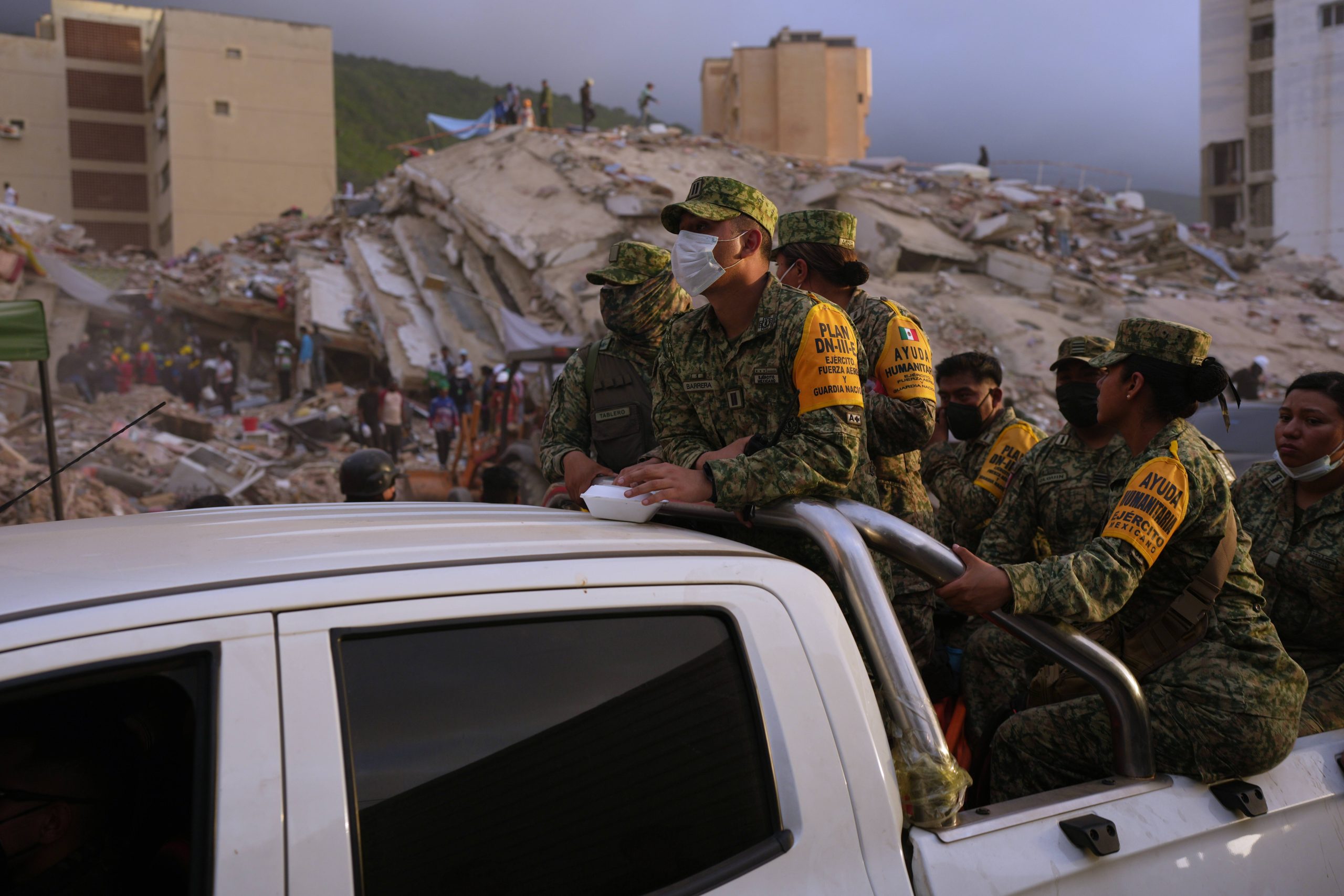
Day Four of the Search: A City in Ruins
If you are alive make any noise – Four days after a devastating pair of earthquakes shook Venezuela, the streets of Caracas remain a cacophony of activity. Backhoes and bulldozers claw through collapsed structures, their metallic groans mingling with the voices of rescuers urging the unseen to respond. A middle-aged man in a blue shirt watches in silence, his eyes scanning the debris-strewn landscape for any sign of life from the sixth floor of the building where he once shared a home with loved ones.
Voices Amid the Wreckage
“We are the rescue team. If you are alive, please make any noise,” a voice calls out from the rubble, echoing through the broken remains of a structure that once housed families. This plea, repeated by workers in the early hours, underscores the urgency of their mission. Yet the response is faint, as if the earth itself has swallowed the sounds of survival.
“We are the rescue team. If you are alive, please make any noise.”
Across the street, another scene unfolds. Junior Laya and Jesus Gallardo sit under the shade of a partially collapsed wall, their faces dusted with ash. “I have family members missing—my brother and some cousins,” Gallardo says, his words laced with a mix of grief and determination. “We don’t know anything about them. We’ve been searching for them for four days.” Their patience is tested by the silence of the ruins, where the only sounds are the rhythmic scraping of tools and the occasional cry of a child.
The Epicenter of Devastation
In La Guaira, a coastal state just north of Caracas, the earthquake’s impact is nearly complete. What was once a vibrant community is now a graveyard of shattered concrete and crumpled steel. Entire buildings lie in collapsed heaps, their floors stacked like the pages of a forgotten book. Some structures have crumbled entirely, while others lean precariously, as though holding their breath before toppling.
The ground is littered with the remnants of a life once lived. A child’s teddy bear rests beside a bed still draped in Mickey Mouse sheets, frozen in time. The air carries the scent of damp earth and decay, a grim reminder of the fragile balance between hope and despair. People move through the ruins with a mix of purpose and exhaustion, their hands gripping shovels and bare fingers as they dig for answers.
Survivors and the Shadow of Loss
Andrea Peña, a 34-year-old resident of La Guaira, clutches a hand saw and shovel under a makeshift tent. Her home is gone, buried beneath layers of concrete. “My dad and my nephew are trapped there,” she says, her voice trembling. The earthquake struck on a holiday, and she was outside celebrating when the ground split open. Her nephew, however, was inside, dozing off as the world crumbled around him.
“My nephew was sleeping and my dad was watching the World Cup,” she says.
These stories are not isolated. Across the state, survivors gather in clusters, some sitting on debris-strewn sidewalks, others huddled under tarps or in temporary shelters. The search continues for those who might still be alive, though the likelihood of finding them diminishes with each passing hour. “We don’t know if the person inside is alive or dead,” says a volunteer, his hands raw from the effort. “All we know is that they’re still there.”
Aid Arrives, But the Struggle Persists
Amid the chaos, the government has begun to coordinate relief efforts. Cargo planes, their underbellies loaded with supplies, now land at Caracas’ partially reopened airport. These flights carry food, water, and medical equipment to areas in need, but the distribution is slow, and the scale of the disaster remains overwhelming. Authorities report 1,430 confirmed deaths and nearly 3,500 injured, with thousands still unaccounted for.
The strain on Venezuela’s infrastructure is evident. Emergency crews work with limited resources, their efforts hampered by the country’s decade-long crisis. High-rises stand as skeletal remains, their facades torn away to reveal interiors untouched by time. In one building, a childhood bedroom is frozen in memory—bedsheets still hanging, toys scattered across the floor. These are the relics of a normal life that now serve as haunting reminders of what was lost.
Sanitation and the Risk of Crisis
As the search continues, a new threat looms: sanitation. The humid climate accelerates the decay of the dead and the damage to surviving structures, creating conditions ripe for disease. In some areas, the stench of rot grows stronger, a warning sign that officials are racing against time to prevent a public health emergency. Temporary shelters are being set up, but the process is fraught with challenges. Thousands of displaced residents wait in line, their faces etched with the weight of uncertainty.
The earthquake has compounded an already dire situation. For over a decade, Venezuela has grappled with economic collapse, eroded institutions, and a mass exodus of millions. Now, this disaster adds yet another layer of pressure. Questions swirl about the nation’s ability to handle such a crisis, with many wondering if the government can provide adequate support for the people now in need. “We’re used to living with hardships,” says one survivor. “But this is different.”
The Countdown to Hope
Rescue teams operate under the shadow of a ticking clock. The first 72 hours are critical for locating survivors, but that window is shrinking rapidly. As the days pass, the chances of finding someone alive grow smaller, and the focus shifts to recovery. Still, the work continues. Volunteers scavenge the rubble, their hands trembling with both exhaustion and hope. Each tool they unearth could bring news of a life saved or a tragedy compounded.
La Guaira’s streets, once bustling with life, now echo with the silence of loss. Yet amid the devastation, resilience flickers. People share stories of survival, of watching the world crumble and finding strength in the face of it. For Andrea Peña, the fight continues: “We don’t know if they’re still in there or if it’s too late.” Her words reflect the collective determination of a nation struggling to rebuild itself, one piece of rubble at a time.