Inside the Ebola Zone: A Glimpse into the Heart of Congo’s Outbreak
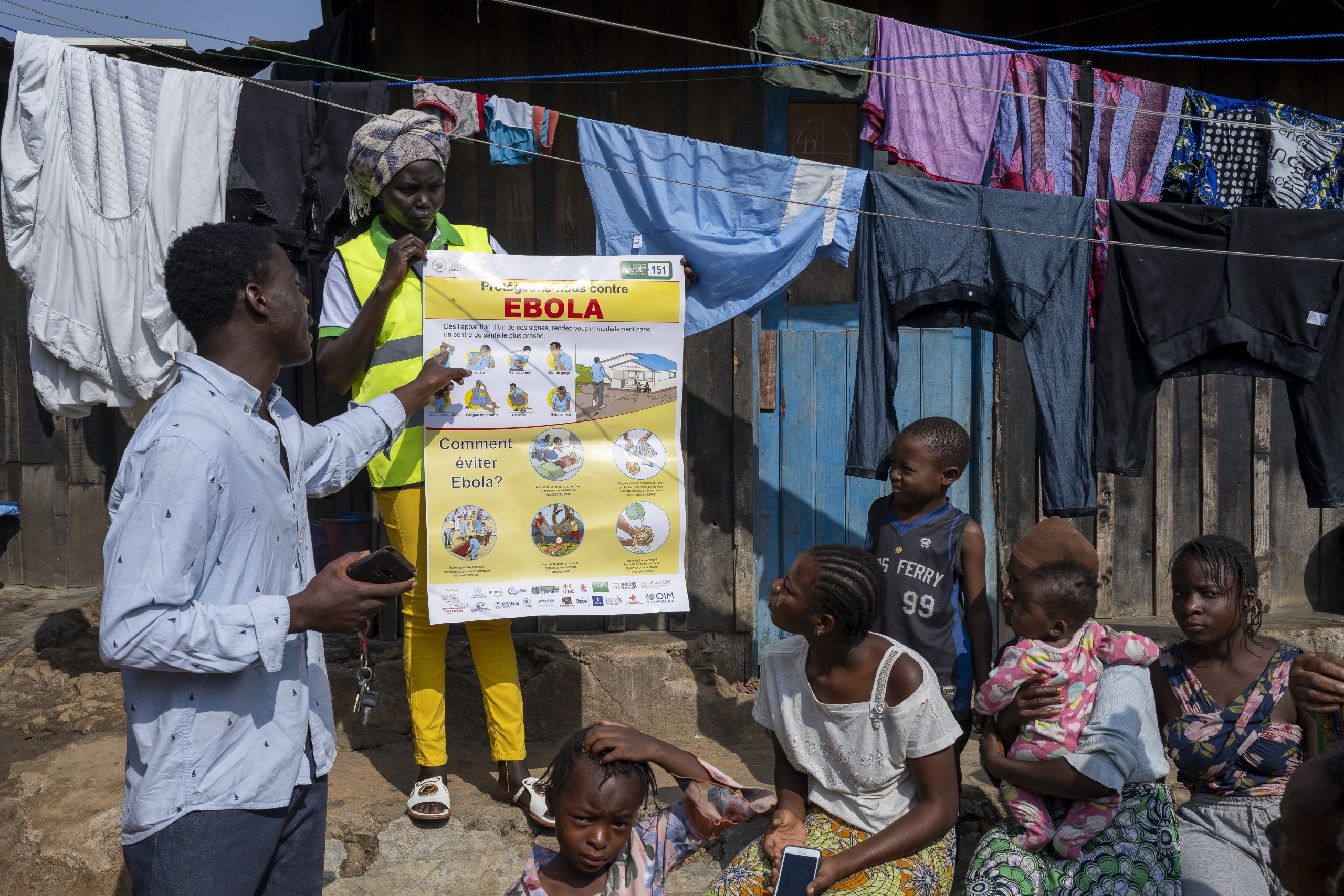
Inside Ebola country – In the bustling city of Bunia, located in the Ituri province of eastern Democratic Republic of Congo, the echoes of the Ebola crisis are unmistakable. Eliezer Kasongo, a community volunteer, once believed the outbreak would subside within a short time. “We started to see people die in the neighborhood and we began to understand,” he recalled, reflecting on the early signs of the epidemic. But as weeks passed, his perspective shifted. Today, Kasongo dedicates his days to visiting homes, urging residents to heed the warnings about the deadly virus.
As of June 13, the official tally of confirmed Ebola cases in eastern Congo stands at 782, with 181 deaths reported. Yet, health officials and aid workers argue that these numbers are likely an underrepresentation. Delays in testing and the occurrence of unnoticed deaths in remote villages and suburbs contribute to the gap between reality and official records. The outbreak, which was officially declared on May 15, had already been circulating for weeks, with the first cases concentrated in the isolated mining town of Mongbwalu.
One month after the outbreak was formally announced, Bunia has become a focal point of the response. Across the city, handwashing stations have been erected, and public announcements blast from loudspeakers in central squares, urging residents not to panic. However, the situation remains tense. Bunia, a city home to over a million people, now accounts for the highest number of cases — 212 — according to official figures. Despite efforts to educate, resistance persists among some locals, highlighting the struggle to balance fear with practical action.
On the day of our visit, a harrowing incident unfolded in the city center. A man, visibly unwell, vomited blood on his motorbike taxi driver before collapsing and dying instantly. Specialist teams swiftly arrived to retrieve the body and begin decontamination procedures. Witnesses reported that the driver had fled the scene, leaving his family to weep in anguish. The event underscores the challenges health workers face in identifying and containing suspected cases — a critical step in curbing the virus’s spread.
The Struggle to Trace Contacts
Across three provinces where Ebola transmission is active, only 56% of contacts have been traced, according to the Congolese health ministry. This figure is a cause for concern, especially in regions marked by ongoing armed conflict, poor infrastructure, and dense populations. In Ituri, the combination of these factors has made it particularly difficult for teams to track cases effectively. Roads are often unpaved, and the presence of armed groups complicates access to remote areas.
The Democratic Republic of the Congo, despite its rich mineral reserves, continues to grapple with extreme poverty. The World Bank estimates that over 85% of the population survives on less than $3 per day. This economic hardship exacerbates the challenges of managing a health crisis, as resources are stretched thin and communities lack the means to respond swiftly. In Ituri, the situation is compounded by decades of conflict, which has left the region’s health infrastructure in disarray. Hospitals and clinics are understaffed and underfunded, struggling to meet even basic needs.
At Clinique Universelle, a local hospital, the impact of the outbreak is evident. A decontamination team spent the weekend scrubbing walls with chlorine solution, a measure taken after a patient tested positive for Ebola. The hospital was temporarily shut down to prevent further spread, but its staff continued working without proper protection. Dr. Patient Mazirane, the hospital director, described the conditions: “We were operating without personal protective equipment. It was a constant risk.”
“People are dying every day,” said Kasongo, whose work in Bunia has become a lifeline for many. “Even as we try to explain, there’s fear that lingers in every home.”
Dr. Mazirane, 38, shared his own doubts about the future. “If I die, no one will look after my children,” he said, expressing a sentiment shared by many medical professionals in the region. Several colleagues have already succumbed to the virus, leaving the remaining staff weary and overwhelmed. The shortage of essential supplies, such as protective gloves, forces frequent replacements, adding to the strain on an already fragile system.
As the crisis deepens, the resilience of the community becomes apparent. Kasongo and his volunteers continue their efforts, navigating skepticism and fear to spread awareness. Yet, the road ahead remains uncertain. With the virus spreading rapidly and resources limited, the fight against Ebola in Bunia and surrounding areas demands both urgency and sustained commitment. The city’s response, while commendable, is a testament to the broader challenges facing the Democratic Republic of the Congo in its battle against the disease.
Aid Efforts and Persistent Gaps
Aid organizations have been working tirelessly to supply Ituri with medical equipment and supplies, airlifting hundreds of metric tons of materials to support the response. However, the scale of the outbreak far outstrips the available resources. “We’re doing our best, but it’s not enough,” one aid worker noted. The lack of infrastructure and the ongoing conflict have created logistical hurdles, making it difficult to distribute aid efficiently or reach all affected areas.
Amid these challenges, the community remains a key player in the fight against Ebola. Residents, though initially resistant, have begun to adopt preventive measures, such as avoiding close contact with sick individuals and using hand sanitizer regularly. Yet, the fear of the virus is not easily dispelled. Kasongo described how families often lock their doors, hesitating to let visitors in, even when they are well-intentioned. “Trust is hard to build,” he said, emphasizing the need for consistent communication and support.
As the outbreak continues, the stakes grow higher. The health system, already struggling to cope with routine care, is now under immense pressure from the surge in Ebola cases. With over 212 confirmed infections in Bunia alone, the city serves as a microcosm of the broader crisis. The road to recovery will require not only medical intervention but also a coordinated effort to address the underlying factors that make Ituri so vulnerable to disease outbreaks.
For Kasongo, the work is both a duty and a personal challenge. “Every day is a new battle,” he said, his voice steady but tinged with exhaustion. His story, like those of countless others in the region, reflects the resilience of the people of Ituri. In the face of adversity, they are adapting, learning, and pushing forward — even as the shadows of the epidemic stretch long over their daily lives.
The situation in Bunia is a stark reminder of the global nature of public health crises. While the virus spreads through local networks, its impact resonates beyond the region, affecting international efforts to control the outbreak. The story of Ebola in eastern Congo is one of both determination and despair, a testament to the complex interplay of health, poverty, and conflict in the region. As the numbers rise, the question remains: how long will it take for the country to regain control of the epidemic?