Rejected: How Federal Prisons Stonewall Grievances and Deny Care for Years
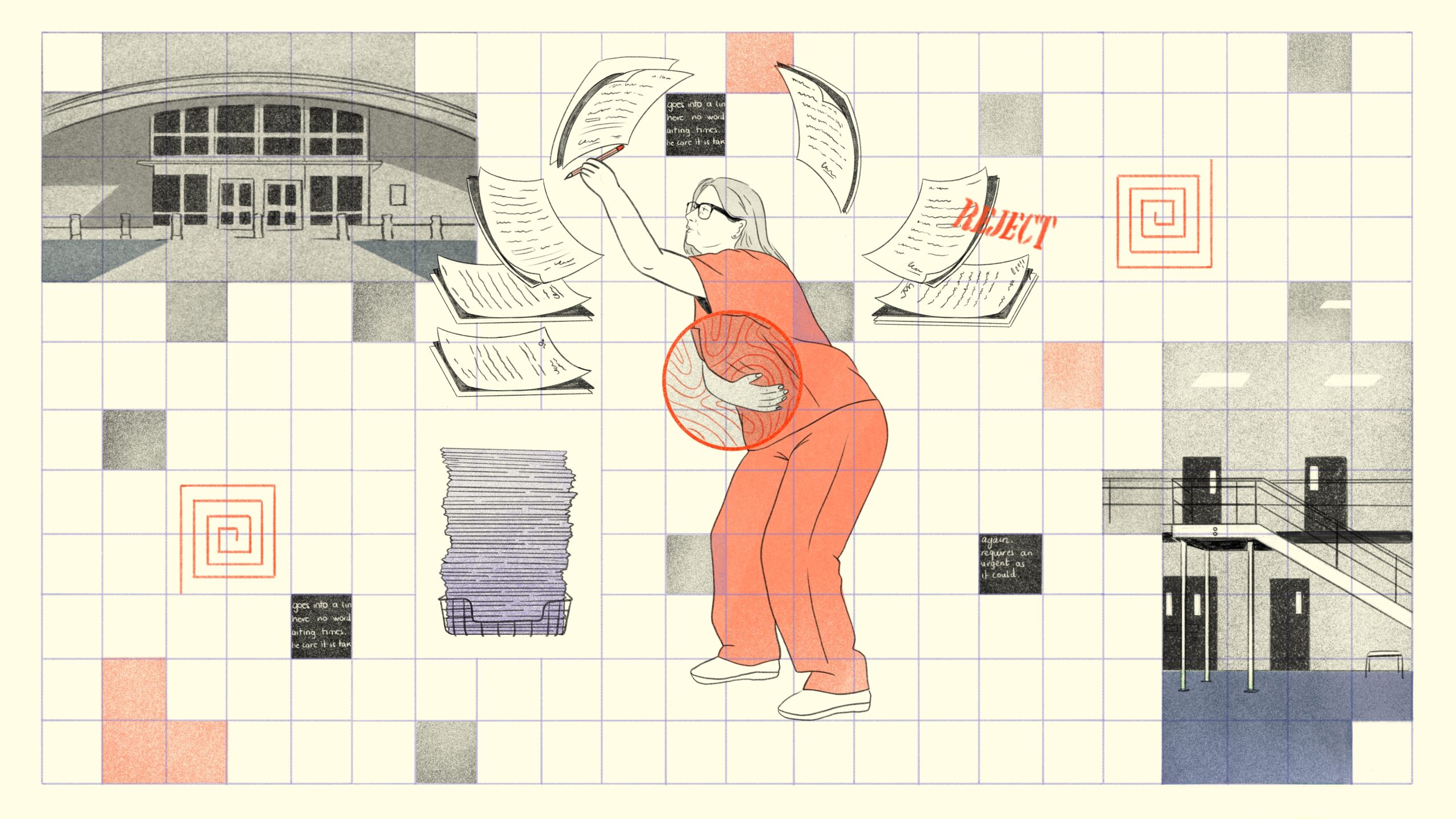
Rejected – Terri McGuire Mollica’s struggle with a medical issue in federal prison began in 2016, when a physician identified a fibroid in her uterus. The condition, though manageable, required a straightforward surgical intervention. However, despite this clear need, officials at FCI Aliceville, a low-security women’s facility in west Alabama, failed to act. Court and medical records reveal that the procedure was never scheduled, leaving Mollica to endure worsening symptoms for nearly a decade.
The Burden of the Grievance System
For Mollica, the path to justice was blocked by the Bureau of Prisons’ internal grievance process—a system critics describe as outdated and cumbersome. She had to navigate a labyrinth of forms, rules, and deadlines, submitting her concerns to the warden, then the regional office, and finally Washington, D.C. Yet, the process was designed to delay, not resolve. While she had just weeks to file complaints, responses often took months, and the outcome was rarely favorable.
“
They don’t even try to fix the problem, they just look for a reason to deny it,” Mollica said, reflecting on her experience. She was sentenced to 17 years for defrauding two nonprofit health clinics and mailing narcotics. After nearly a decade in custody, she remains in a halfway house in Alabama, still waiting for the surgery that could alleviate her suffering.
Her ordeal highlights a growing trend within the federal prison system: the systematic denial of care. According to a recent analysis by The Marshall Project and NPR, the Bureau of Prisons has significantly reduced the rate at which grievances are granted. In 2000, nearly 7% of complaints were approved, but by 2023, that number had plummeted to less than 2%. This decline has left many incarcerated individuals trapped in a cycle of unmet needs and unresolved issues.
A Gateway to Justice That Fails
For every medical concern, from lack of toilet paper to extreme physical abuse, the grievance system is the primary tool for inmates to seek redress. But in practice, it often serves as a barrier rather than a bridge to relief. Many complaints are rejected for seemingly trivial reasons—like excessive pages or incomplete copies—without scrutiny of the underlying issue. As a result, the system is criticized for its ineffectiveness, stifling opportunities for legal action.
Prisoners must complete the internal process before filing a lawsuit, a requirement set by a 1996 federal law. This law aims to ensure complaints are thoroughly reviewed, but it also means that legal challenges are frequently dismissed if the process isn’t followed precisely. In Mollica’s case, her lawsuit was initially rejected because she hadn’t fully exhausted the administrative steps. Even after she mailed her final appeal, officials never recorded it, leaving her case unresolved for years.
A System in Crisis
The Bureau of Prisons acknowledges the drop in approval rates, with a spokesperson noting efforts to improve the process. Randilee Giamusso, a representative for the agency, emphasized that the grievance system is meant to address inmate concerns and does not prevent legal action. However, she declined to comment on Mollica’s specific case or the broader challenges within the system.
Giamusso pointed out that inmates can bypass the delay by appealing to the next level if officials fail to respond within the set time frame. This provision, she argued, allows for continued recourse. Yet, for Mollica, the lack of response meant her appeal never reached the necessary stage. A decade later, the fibroid had grown to the size of a grapefruit, and her uterus was swollen as if she were in the final stages of pregnancy. Doctors now recommend a full hysterectomy, but the procedure remains pending.
Comparisons with State Systems
While the federal rate of grievance approvals is alarmingly low, state prisons often perform better. In 2023, California granted approximately 15% of medical-related grievances, according to the same analysis. Georgia, meanwhile, approved nearly 13% of cases. These disparities raise questions about the efficiency and responsiveness of federal corrections compared to state counterparts.
Across 24 years of prison filings, healthcare-related complaints ranked third in frequency, trailing only housing and staff-related issues. Of all medical grievances processed in 2023, fewer than 1% were granted, underscoring a persistent challenge in ensuring timely care. For many, this means chronic pain, uncontrolled bleeding, and other health conditions linger for years without intervention.
“
It has always been difficult to get help inside federal prison. But in recent years, it has become nearly impossible,” said one expert cited in the analysis. The system’s rigid structure and slow response times create a de facto hierarchy where inmates must first prove their case through an often-biased process before it can be considered in court.
Mollica’s case is emblematic of a broader issue: the federal prison system’s reluctance to address medical needs promptly. Her fibroid, once a small mass, has grown significantly, and her suffering has escalated. The delays have not only worsened her physical condition but also eroded her confidence in the system’s ability to deliver justice. “I’ve never seen [the grievance system] help anybody,” she said, a sentiment echoed by others who have endured similar frustrations.
The impact of these systemic delays extends beyond individual cases. For incarcerated individuals, the grievance process is a critical lifeline, but its inefficiencies often leave them without recourse. The Bureau of Prisons’ low approval rate suggests that many complaints are not just delayed—they are dismissed outright, regardless of their validity. This has led to a situation where even minor grievances can be buried under bureaucratic inertia, while more severe cases like Mollica’s remain unresolved for years.
Hope and Uncertainty
Despite the system’s flaws, Mollica remains hopeful. She acknowledges the hurdles she has faced but maintains that her persistence has kept her case alive. “I kept pushing,” she said. “Even when I didn’t have a clear path forward, I didn’t stop.” Her story is a testament to the resilience of those navigating the federal prison system, but it also underscores the urgent need for reform.
With the Bureau of Prisons continuing to refine its grievance process, the hope is that future cases will not face the same obstacles. But for now, Mollica’s experience reflects the reality of a system that prioritizes procedural compliance over human dignity. As she awaits surgery, her case serves as a reminder of the challenges incarcerated individuals face in advocating for their health and rights within the federal system.