The Lumbee Tribe of N C Seeks Healthcare Reform Amid Funding Uncertainty
Ecorescuezone.com – LUMBERTON, N.C. — Soybean fields surround Angie Lowery’s home on a plot of rural land in southeastern North Carolina’s Robeson County. Dozens of antique gas station signs, 20 feet tall, dominate her front yard. A framed re-creation of The Last Supper, Lone Ranger posters, and a 3-foot-wide tobacco harvesting basket adorn the walls of her home. A collector, Lowery over the years has amassed remnants of her region’s past.
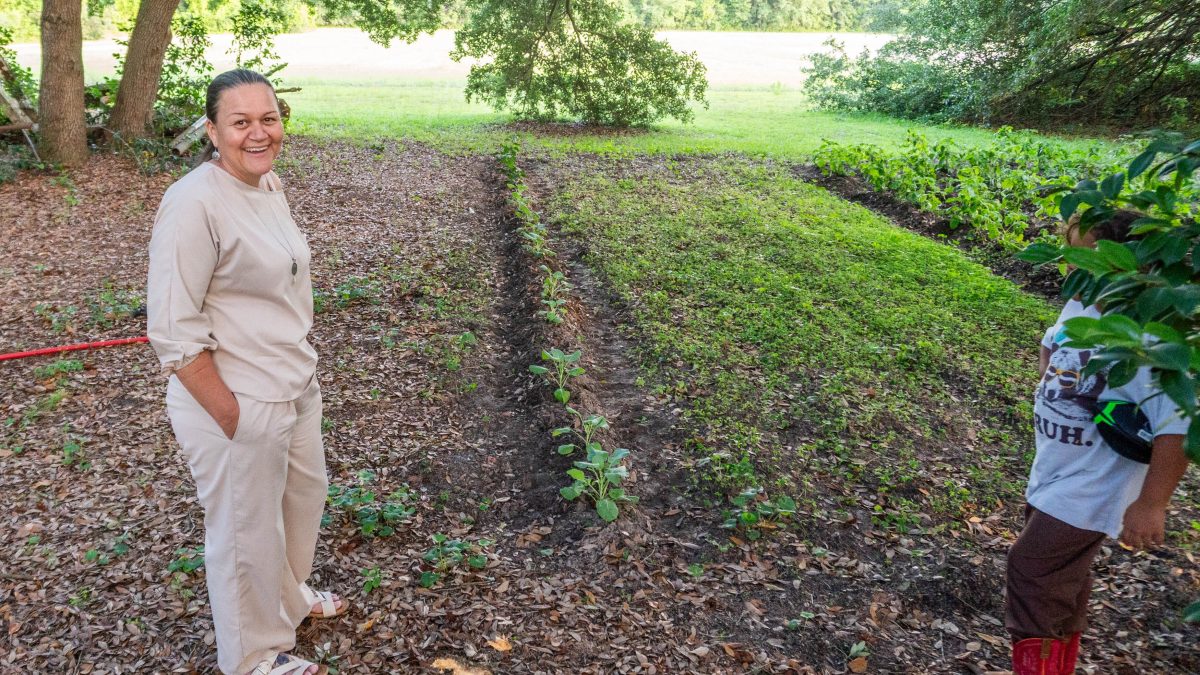
But behind the house, the 44-year-old’s backyard garden showcases her goals for the future, one that involves a long, healthy life with her kids: collard greens, bell peppers, onions, tomatoes, red and white potatoes, kale.
Like Lowery, many in the small towns of Lumberton and nearby Pembroke are citizens of the Lumbee Tribe of N C who have dealt with heart conditions. The mother of four struggled with obesity and had to take insulin pills and shots daily. But when her first grandchild was born, in 2024, Lowery imagined her own life ending the way her biological father’s did: Daily insulin shots for diabetes. Kidney dialysis treatments at home. Dead of a heart attack at 63. She wanted her grandkids to remember her.
“If I don’t get this weight off me, if I don’t change my eating habits, it’s going to take me over,” she recalled thinking.
So, she expanded her garden. She cut fatty foods and sugary drinks out of her diet, stopped eating fried and fast food, and started moving more. She lost 120 pounds in two years and weaned herself off the daily insulin pills.
Federal Recognition Opens New Doors
The Lumbee Tribe of North Carolina late last year became the 575th tribe to secure federal recognition as a sovereign nation, a milestone that leaders and citizens celebrated in tears. The designation provides federal funding for an array of services, including for healthcare. John Lowery, chairman of the tribe and a state representative, declared that “the biggest benefit” would be access to the Indian Health Service — its clinics and hospitals, as well as funding that it could provide for the tribe to create its own health system.
But Lumbee researchers and healthcare providers say that money won’t be enough. For decades, IHS has been chronically underfunded, with the agency’s budget workgroup estimating that it’s nearly $55 billion short of what it needs this year. And that was before the Trump administration’s cuts to other federal agencies further pinched IHS. Slashes to the Centers for Disease Control and Prevention last year initially included laying off nearly 1,000 IHS employees, and President Donald Trump’s proposed 2027 budget cuts more than $150 million for a program to address diabetes in Native American tribes.
The nearest IHS facility is more than a two-hour drive to another state for most of the 55,000 Lumbee citizens in Robeson County. The county is one of the poorest in the U.S. and has some of the worst health outcomes.
The Congressional Budget Office in 2022 estimated that the tribe could increase IHS spending by $247 million over four years.
The tribe will have to rely on other revenue sources that are now allowed through recognition, such as a casino, to reverse the health disparities their people have faced for decades, Lumbee researchers said.
“None of us can depend on IHS alone, because we just don’t have the resources within that system,” said Donald Warne, a physician, a researcher at the Johns Hopkins Center for Indigenous Health, and a member of the Oglala Lakota tribe. “But it’s a great starting point.”
The IHS did not respond to questions about plans for the tribe’s health system. Tribe chairman John Lowery did not respond to requests for an interview or a list of questions, but he said on a June podcast that he expected healthcare to be the largest portion of the tribe’s budget.
Eighteen years ago, Andrea Blackburn, a doctor in Lumberton and a citizen of the tribe, was working at a nearby medical center. There, she said, she was taught that patients with certain last names “are often referred directly to cardiac catheterization,” a procedure to diagnose or treat heart conditions.
Blackburn said she realized that common Lumbee surnames carried an expectation of disease.
“Nearly two decades later, I can tell you that reality has not changed,” she told assembled tribal leadership and citizens at a public hearing.
Robeson County’s rates of heart disease, diabetes, and substance use disorder continue to rank among the highest in the state, Blackburn noted. In 2025, more than half of the county’s residents were Medicaid enrollees, the highest percentage of all counties in the state.
What This Means for the Lumbee Tribe of N C
As the Lumbee Tribe of N C navigates these challenges, community members like Angie Lowery represent both the struggle and hope for improved healthcare access. With federal recognition comes both opportunity and responsibility — the tribe must balance limited resources with growing needs while building sustainable healthcare infrastructure for future generations.
Frequently Asked Questions
When did the Lumbee Tribe receive federal recognition? The Lumbee Tribe of North Carolina became the 575th tribe to secure federal recognition as a sovereign nation late last year.
How many Lumbee citizens are there? There are approximately 55,000 Lumbee citizens primarily located in Robeson County, North Carolina.
What healthcare challenges does the tribe face? The tribe faces chronic underfunding of the Indian Health Service, limited access to facilities (more than a two-hour drive for most residents), and high rates of heart disease, diabetes, and substance use disorder.
What new revenue sources are available to the tribe? Through federal recognition, the tribe can now operate a casino and access additional federal funding for healthcare services.
How much additional IHS funding could the tribe receive? The Congressional Budget Office estimated in 2022 that the tribe could increase IHS spending by $247 million over four years.