Iran Deal Sparks Hope for Strait of Hormuz Reopening, But Full Operations Still Pending
With Iran deal Trump told ships – On Friday, President Donald Trump made a bold claim that the Strait of Hormuz, a vital maritime passage, would once again welcome unimpeded traffic as the result of a newly negotiated agreement. The deal, which aims to extend a ceasefire and restore shipping routes, was hailed as a breakthrough, with the White House insisting that “ships of the world, start your engines” would now be able to traverse the strait freely. Yet, despite this optimistic declaration, the immediate resumption of normal operations remains uncertain, as industry experts and officials debate the pace of recovery and the true extent of Iran’s cooperation.
The Current Stalemate and Stuck Vessels
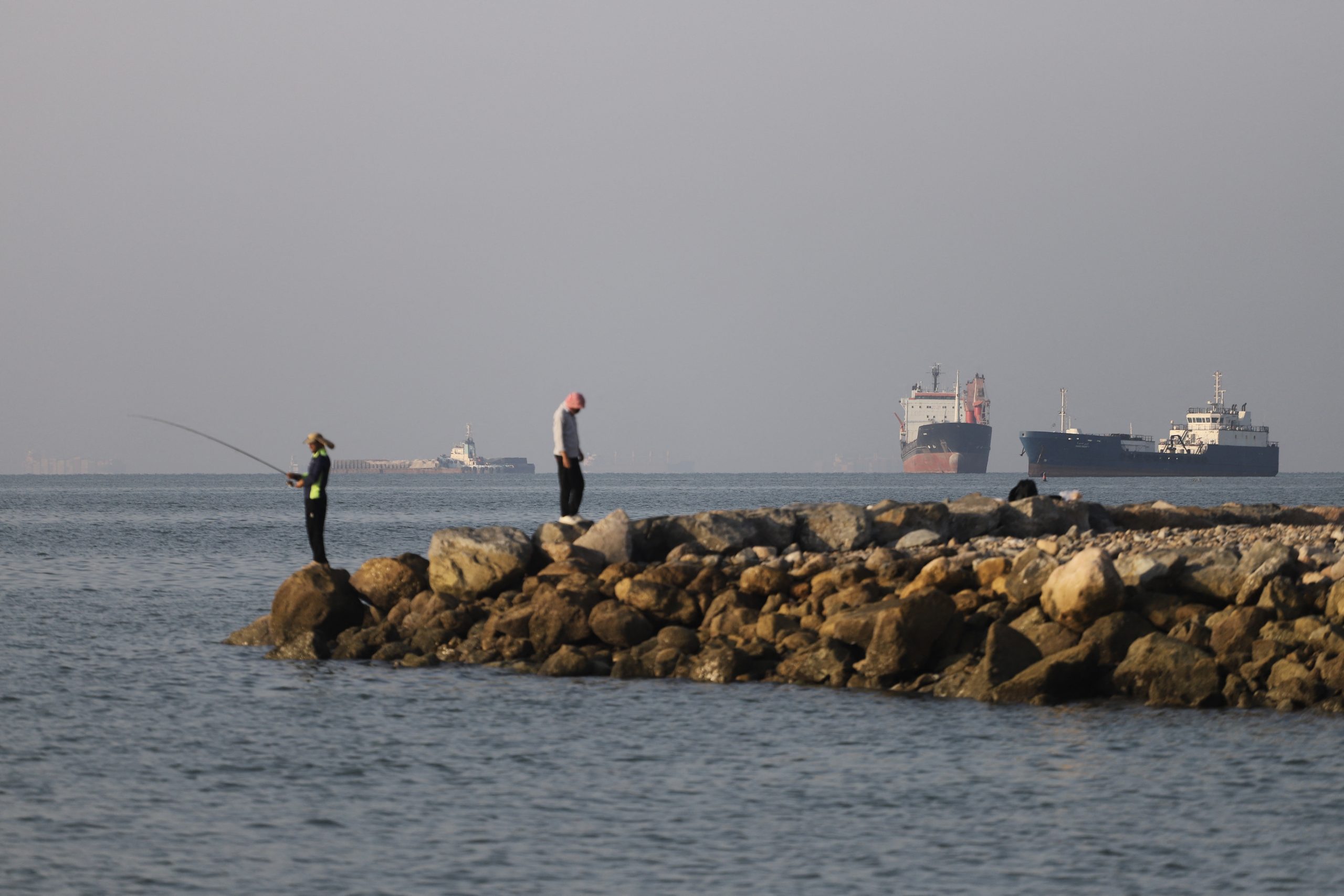
As of now, approximately 1,500 commercial ships remain stranded in the Persian Gulf, according to industry analysts. These vessels, including hundreds of oil tankers and other large cargo ships, have been unable to proceed through the Strait of Hormuz since the escalation of tensions between Iran and the U.S. earlier this year. The situation has created a backlog that continues to disrupt global trade, particularly in the oil sector, which relies heavily on the strait for transportation.
Before the conflict intensified in February, the strait saw a steady flow of 140 ships passing through daily, according to U.S. officials and maritime experts. The attacks by the U.S. and Israel on Iranian targets triggered a defensive response, prompting Iran to close the strait to commercial traffic. This move involved deploying drones, missiles, and mines to block passage, a strategy that effectively halted shipping for weeks.
U.S. Efforts to Clear the Path
Amid the crisis, the U.S. military has been actively working to clear the mines and create safer routes for vessels. Capt. Tim Hawkins, a spokesman for the U.S. Central Command, confirmed that the military has already begun dismantling some of the mines that were laid in the strait. This effort has opened a new channel off the coast of Oman, allowing ships to bypass the Iranian-controlled waters and navigate with greater ease.
“It’s been a U.S. effort,” Hawkins emphasized, though he declined to specify the duration of the operation. The progress made so far has already seen a modest increase in maritime traffic, with reports indicating that up to 25 ships are transiting the southern route daily. However, the official noted that the number is expected to rise to 40 to 50 within days, as the demining work continues.
International Collaboration and Strategic Assets
With the agreement’s announcement, Britain and France have pledged to contribute to the demining mission, according to Prime Minister Keir Starmer. “The UK and France have taken a leading role up to this point,” he stated, highlighting their commitment to ensuring the strait remains a secure corridor for global trade. British officials plan to deploy autonomous sea drones for mine detection, alongside counter-drone systems, Typhoon jets, and the HMS Dragon, all part of a coordinated effort to restore freedom of navigation.
Meanwhile, the U.S. military’s strategy involves a mix of drone boats, helicopters, and warships. While details of the U.S. assets remain classified, military analysts suggest the operation is leveraging advanced technology and naval power to address the immediate threat. This collaborative approach underscores the international concern over the strategic importance of the Strait of Hormuz, which connects the oil-rich Persian Gulf to the open Indian Ocean.
Confidence and Caution in the Shipping Community
While the U.S. officials express optimism about the strait’s imminent reopening, the International Chamber of Shipping remains skeptical. Tom Bartošák-Harlow, a spokesperson for the organization, described the situation as a “gradual process of confidence” among shipping companies. He argued that the decision to resume operations would depend on multiple factors, including the verification of mine-free zones and the stability of the U.S.-Iran agreement.
“There’s still a lot of risks associated with transit,” Bartošák-Harlow explained in an email to NPR. “It’s very likely to be a series of actions rather than just one.” He cited two key steps: confirming that the transit areas are clear of mines and ensuring that the ceasefire agreement holds. These measures, he said, would help rebuild trust among operators, who are hesitant to risk their cargo and crews in the volatile region.
Toll Fees and Iranian Commitments
Another critical issue in the strait’s reopening is the question of tolls. Trump and Vice President JD Vance both asserted that the Strait would be “toll free for the long term,” a promise that has raised questions about Iran’s intentions. In March, the Iranian Revolutionary Guard Corps established a so-called toll booth, imposing charges on commercial ships passing through the waterway. However, it is unclear whether any vessel has paid the fee to date.
Iran’s Foreign Ministry has since clarified that the charges are not traditional tolls but “service fees” for navigation-related services, environmental protection, and maritime support. A spokesperson, Esmaeil Baqaei, stated that the fees would cover operational costs rather than serve as a revenue stream. Despite this, industry representatives remain cautious, pointing out that there is no clear record of which ships have paid and which have not.
Analyzing the Timeline for Full Recovery
Scott Savitz, a senior engineer at the RAND Corporation, provided a more optimistic outlook. He noted that the U.S. has successfully neutralized a significant number of Iran’s minelaying vessels, which should reduce the risk of future attacks. “That’s realistic based on the fact that the U.S. has taken out a high number of [Iran’s] minelaying vessels,” Savitz said. “The demining efforts should achieve an acceptable level of risk within the next few weeks.”
Yet, even with these assurances, the shipping community is wary. The gradual return to normal operations may take longer than anticipated, as companies weigh the risks of navigating the strait against the potential rewards of restoring their routes. For now, the focus remains on securing the southern passage off Oman, where the first signs of recovery are emerging. As the U.S. official briefing this week noted, “By Friday, everything will be fully open.” Whether that timeline holds, however, remains to be seen.
The Strait of Hormuz, a narrow waterway through which about 20% of the world’s maritime oil trade passes, has long been a focal point for global security. Its reopening is not just a matter of convenience for merchants but a critical step in stabilizing energy markets and ensuring uninterrupted supply chains. As the international coalition works to clear the path, the question remains: how soon can the world’s ships once again move with the same confidence they once had?