World Cup fans are missing games after their resale tickets fall through

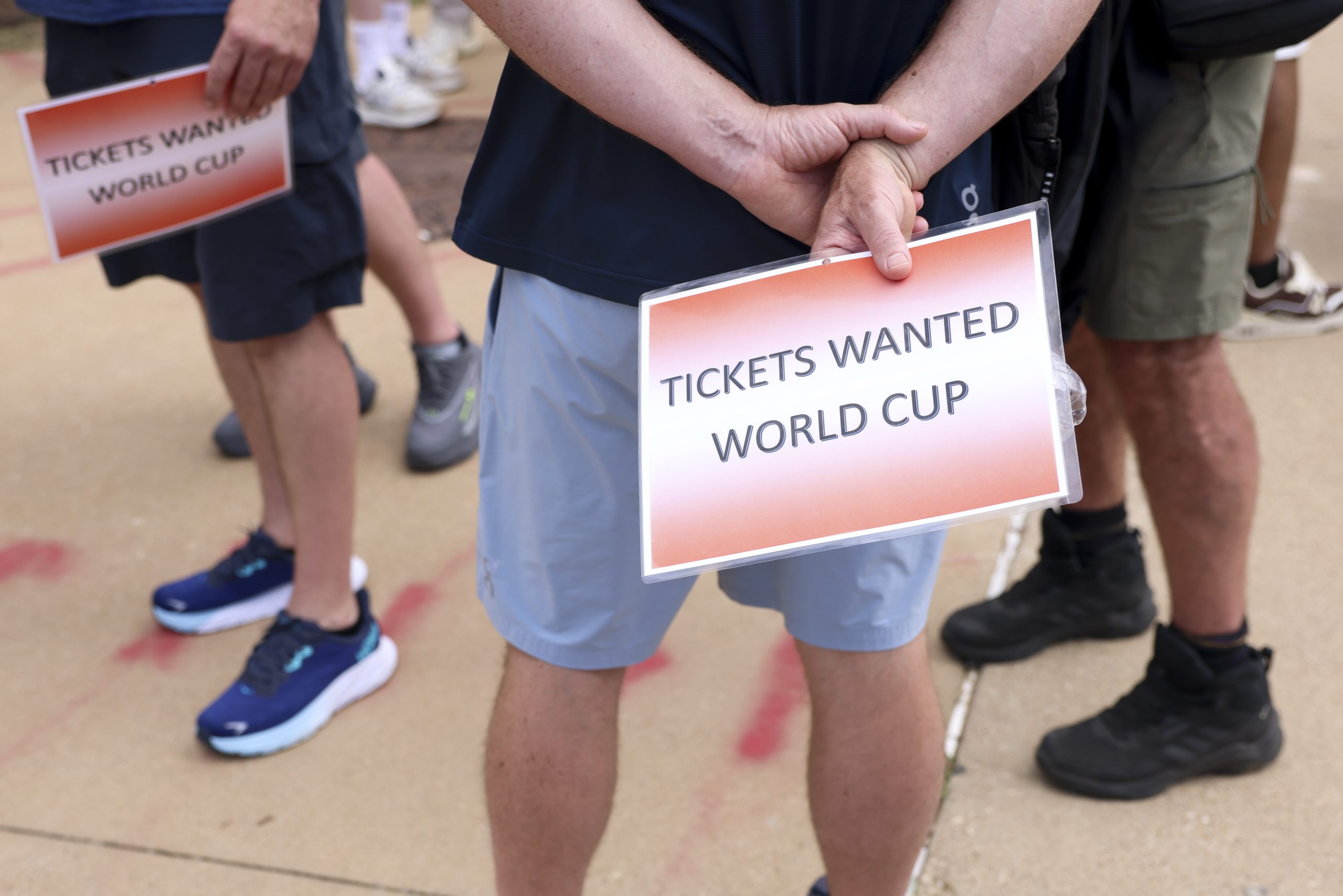
World Cup Ticket Resale Chaos Leaves Fans Disappointed
World Cup fans are missing games – As the World Cup progressed, a growing number of fans who bought resale tickets faced heartbreak when their carefully arranged game-day plans unraveled. The frustration stemmed from a combination of technical glitches, mismatched seat assignments, and opaque policies that left many scrambling to make up for lost opportunities. Two stories from different parts of the globe highlight the widespread issue, revealing how even the most dedicated supporters can find themselves stranded at the edge of a stadium, unable to witness the matches they had hoped to attend.
A Fan’s Journey to the Edge of the Stadium
John McNicholas, a 65-year-old from New Jersey, had planned to watch the Scotland vs. Morocco match at Gillette Stadium in Foxborough, Massachusetts. After investing over $1,200 in two premium seats, he endured a four-hour drive and a two-mile hike from his hotel to reach the venue. Yet, just before the game, his tickets mysteriously disappeared. With one ear tuned to the crowd’s roar and the other to his phone, he tried to resolve the issue with StubHub customer service, only to be met with empty promises.
“We hung around because we thought, well, somebody may be able to solve it at the last minute,” McNicholas said. “But nothing occurred.”
His disappointment was compounded by the fact that his friend David Wain, who had traveled from England to be his plus-one, was left with no choice but to watch the game on television. The pair had hoped to share the experience, but the last-minute cancellation dashed their plans. McNicholas described the emotional toll of the situation, emphasizing the effort it took to get to the stadium and the sheer luck of securing tickets in the first place.
Resale Platforms Under Fire for Ticket Failures
McNicholas’ ordeal is part of a larger pattern. Since the tournament began two weeks ago, numerous fans have reported similar problems with tickets purchased through resale platforms. Some arrived at the stadium only to discover their seats were unassigned, while others received tickets for entirely different matches. This has forced many to either miss the games they had paid for or scramble to find replacements, often paying significantly more for worse seating.
StubHub, one of the most popular ticket resellers, has become a focal point of these complaints. However, the issue isn’t confined to this platform; fans on social media have also cited problems with Vivid Seats and SeatGeek. These platforms, which are supposed to streamline access to tickets, have instead created a web of uncertainty for fans, adding to the already high stakes of the World Cup.
FIFA and StubHub in a Dispute Over Ticketing Systems
StubHub attributes the mishaps to FIFA’s “ticketing infrastructure,” including its app, which it claims has been plagued by performance issues. The vendor argues that these problems have impacted transfers across all resale platforms, leaving fans in limbo. FIFA, on the other hand, maintains that it can only guarantee the validity of tickets purchased through its official system. While FIFA operates its own resale marketplace, it rejects StubHub’s assertion that the organization is at fault.
“FIFA has no visibility over, or control of, secondary market ticket transactions carried out on third-party platforms,” the soccer governing body stated. “The transactions facilitated on these platforms occur entirely independently of FIFA’s official ticketing platform.”
This disagreement underscores a broader tension between the event organizers and the resellers. Fans who trusted the resale process to provide a reliable alternative to the FIFA lottery system are now questioning whether they were justified in their expectations. For many, the convenience of buying tickets months in advance was a key selling point, but the lack of clarity about what constitutes a “comparable” replacement has left them feeling cheated.
A Family’s Last-Minute Setback
Brad Michel, a fan from San Antonio, Texas, faced a similar dilemma. He purchased three seats near center-field on StubHub in January 2025, well before FIFA officially released tickets, for a total of about $15,600. Michel believed that by securing the tickets early, he would avoid the chaos of the FIFA site’s unpredictable lottery. However, when his tickets arrived, they were for the Netherlands vs. Sweden match in Houston — not the game he had planned to attend with his son and his wife’s father.
Michel relied on StubHub’s FanProtect Guarantee, which promises a refund or “comparable” replacement seats if the original tickets fail to arrive. When two of his tickets didn’t show up, he was willing to accept new ones. But the replacement options — nosebleed seats or those behind the goal — didn’t meet his expectations. “They were gonna swap me my premium midfield, close-to-the-pitch seats, and they wanted me to trade or swap ticket-for-ticket with no additional refund,” Michel said. “I told them, ‘No way. I’m not taking those.’”
The Ripple Effect on Fan Experience
Stories like Michel’s and McNicholas’ have sparked a wave of frustration among World Cup attendees. For some, the mismatched tickets meant missing the matches they had paid for, while for others, it was a matter of settling for subpar seating. The emotional weight of these disappointments is heightened by the fact that the World Cup is a once-in-a-lifetime event, and fans often plan their trips months in advance.
Romas, a father from Alberta, Canada, is another example of the ripple effect. He flew to Houston to watch the Portugal vs. Uzbekistan match with his 13-year-old son, a fervent fan of Cristiano Ronaldo. But when the tickets arrived, they were for England vs. Ghana in Boston — an entirely different location and match. Romas spent the night on the phone with StubHub, trying to correct the error. By the morning of the game, he was told the only option was a refund. “We fly to a different country to come to this game and he was so excited,” Romas said, his voice tinged with regret.
The Broader Implications of Resale Ticket Failures
As the controversies mount, questions are being raised about the reliability of resale platforms and their ability to ensure a seamless fan experience. The high cost of tickets — often doubling or tripling the original price — adds to the pressure. For those who had budgeted carefully, the sudden need to buy replacements or cancel their trips has been a financial and emotional strain.
The confusion around seating charts has also played a role. Many fans reported receiving tickets for matches they weren’t even aware were being held in their chosen location. This has led to situations where attendees are forced to confront the reality that their seat assignments might not match their initial plans. The lack of transparency in how resale platforms assign seats has become a major point of contention, with some fans feeling they were not given the information needed to make informed decisions.
Despite the mounting criticism, StubHub and other resellers continue to defend their practices. They argue that the World Cup’s massive scale and the complexity of its ticketing system make errors inevitable. However, for fans like Michel and Romas, the consequences of these errors have been significant. Michel, who still hopes for a refund, described his frustration as he watched the match on TV, scanning the stadium for his original seats. “It looked occupied,” he said, “but I knew it wasn’t meant for me.”
As the tournament progresses, the debate over ticket resale policies is likely to intensify. Whether it’s the technical shortcomings of FIFA’s infrastructure, the ambiguity of “comparable” replacements, or the logistical nightmares of mismatched locations, fans are left to navigate a system that promises convenience but delivers uncertainty. For those who had invested time, money, and effort to attend the World Cup, the ordeal serves as a stark reminder of the challenges inherent in the ticketing process. The hope remains that these issues will be resolved, but for now, the spectacle of the World Cup is marred by the reality of ticket resales gone wrong.