Xi Jinping will travel to North Korea next week in first visit since 2019

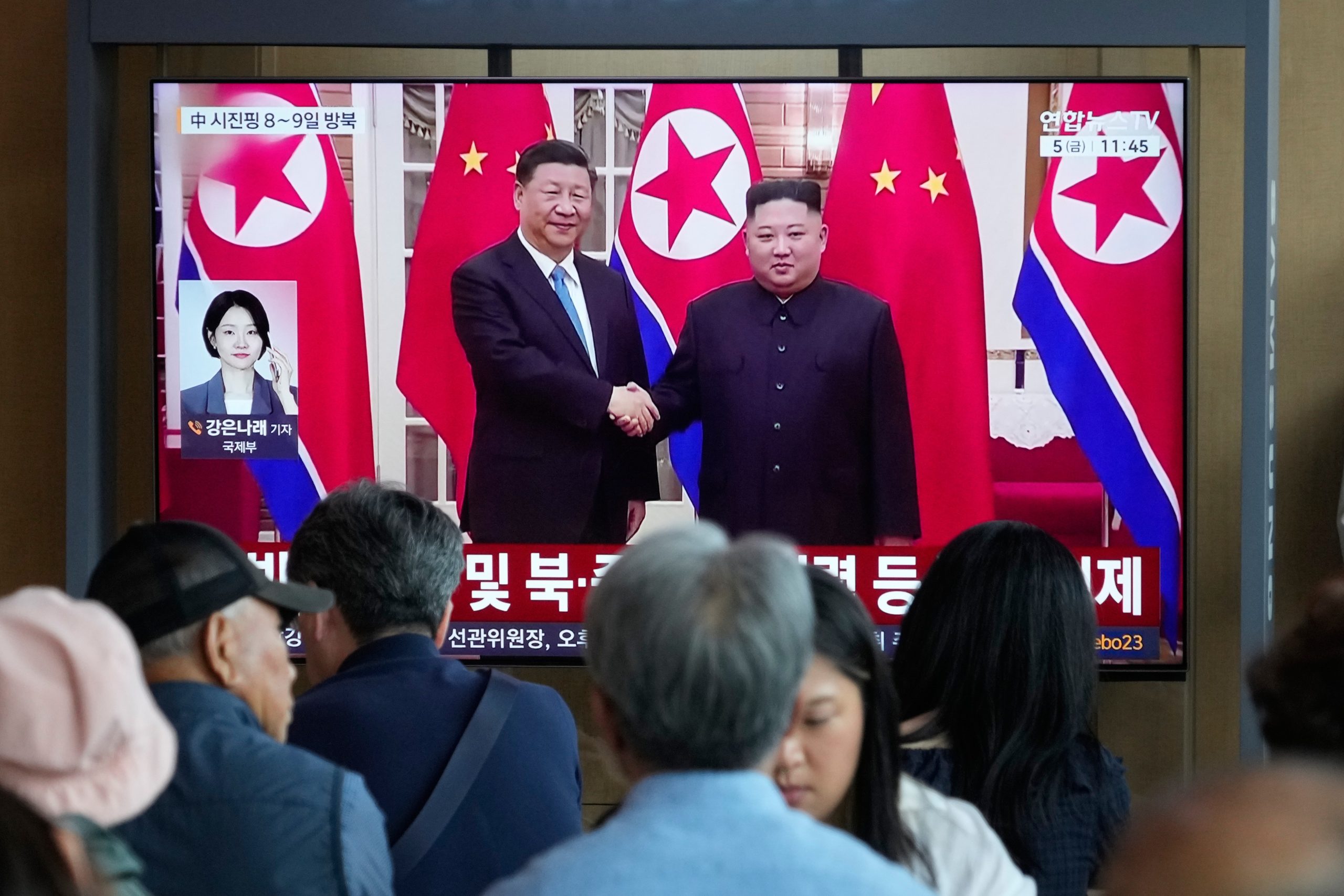
Xi Jinping’s Visit to North Korea Marks a Key Diplomatic Move
Xi Jinping will travel to North – Chinese President Xi Jinping is set to embark on a state visit to North Korea next week, marking his first diplomatic trip to the nation since 2019. Both countries announced the plans on Friday, signaling a renewed focus on strengthening their alliance amid shifting global dynamics.
A Strategic Reconnection
China’s recent efforts to deepen its relationship with North Korea have gained momentum, with this visit representing a significant step in reinforcing ties with its nuclear-armed neighbor. While North Korean leader Kim Jong Un has increasingly aligned with Russia in recent years, notably by deploying troops and weapons to support Moscow’s campaign in Ukraine, the past year has seen Kim actively seeking to bolster his partnership with Beijing. As North Korea’s largest trading partner and primary aid provider, China plays a crucial role in the country’s economic survival, making the visit a strategic move to assert influence in the region.
“As North Korea builds closer ties with Russia, China seeks to use Xi’s trip to reassert its influence over Pyongyang and safeguard its strategic interests in northeast Asia,” noted William Yang, an analyst at the International Crisis Group. This underscores the delicate balance of power in the region, where China aims to maintain its leverage despite North Korea’s growing diplomatic engagement with other global actors.
Building a Nuclear Legacy
The visit coincides with North Korea’s continued advancements in its nuclear program, a key priority for Kim Jong Un. Just days prior, the country unveiled a new facility believed to be a uranium enrichment plant, though officials have not officially confirmed its purpose. During a tour of the site, Kim emphasized his commitment to expanding the nation’s nuclear arsenal “at an exponential rate,” according to reports.
Analysts suggest this development is tied to Kim’s desire for international recognition as a nuclear state, which he hopes will lead to the easing of sanctions. The U.N. has imposed economic penalties on North Korea for its nuclear and missile tests, and Kim is positioning himself to negotiate terms for their reduction. “The disclosure of the facility implies that Kim is eager to solidify his country’s status as a nuclear power ahead of Xi’s arrival,” said one expert, highlighting the symbolic and practical significance of the plant.
Diplomatic Context and Regional Alliances
The trip comes in the wake of a series of high-profile meetings involving Xi Jinping, U.S. President Donald Trump, and Russian President Vladimir Putin. Just weeks earlier, Xi hosted both leaders in Beijing, showcasing the alignment between China and Russia on issues like North Korea. This partnership has been instrumental in blocking stricter sanctions against the Hermit Kingdom, as both nations wield veto power in the U.N. Security Council.
“The new Cold War framework and multipolar world vision have driven Kim to expand ties with countries opposing U.S. dominance,” explained another analyst. This strategy reflects North Korea’s broader goal of diversifying its foreign relations to counter Western pressures. The recent visit to the uranium enrichment plant, for instance, may be seen as a calculated effort to present a strong nuclear posture during Xi’s arrival.
Sanctions and the Path to Denuclearization
North Korea’s nuclear program remains a focal point for U.S. policy, with Washington long advocating for its denuclearization. The U.N. has imposed sanctions targeting the country’s weapons development, but Kim has consistently resisted these measures. Analysts are now closely watching whether China will address calls for denuclearization during the visit, as the U.S. seeks to pressure Pyongyang into negotiations.
“China’s approach has always been to balance engagement with pressure,” said a spokesperson for the Chinese Foreign Ministry. “This trip will focus on advancing bilateral relations and promoting regional peace, which are essential for stability in northeast Asia.” The statement aligns with China’s broader diplomatic goals, which include maintaining a buffer against U.S. influence while supporting North Korea’s strategic autonomy.
Kim Jong Un’s recent interactions with Xi Jinping highlight the evolving nature of their relationship. Their meeting in Beijing last September solidified mutual support, with Kim attending a military parade alongside Putin and other leaders. This event symbolized a growing alignment between the two nations, despite their differing approaches to North Korea’s nuclear ambitions. While Russia has been a key ally, China’s economic and political clout makes it the most critical partner for Kim’s long-term goals.
Xi’s Global Engagement
For Xi Jinping, the trip to North Korea is a rare international outing. Since the COVID-19 pandemic, his travel schedule has been tightly controlled, with only a few overseas visits. His last trip to South Korea in the fall of 2023 was part of the Asia-Pacific Economic Cooperation summit, where he met with Trump. This new visit to Pyongyang is a deliberate choice to reengage with a nation that has been a cornerstone of China’s foreign policy for decades.
“The decision to visit North Korea reflects China’s intent to reinvigorate its alliance despite global challenges,” said an unnamed diplomat. The trip is expected to cover discussions on economic cooperation, security, and the nuclear program. Analysts suggest that China’s support for North Korea’s nuclear ambitions may be a way to secure loyalty in exchange for continued aid and trade agreements.
Historical Ties and Future Prospects
The relationship between China and North Korea dates back decades, rooted in shared ideological goals and geopolitical interests. However, the visit also marks a shift in their strategy, as China seeks to navigate North Korea’s growing engagement with Russia. This dynamic raises questions about how China will manage its influence in the region, particularly as the U.S. and its allies push for tighter sanctions.
“Kim’s reliance on China is evident, but he is also capitalizing on Russia’s rise as a counterweight to Western pressure,” observed a political commentator. The upcoming meeting with Xi could set the stage for new agreements or reaffirm existing commitments, potentially shaping the future of North Korea’s nuclear program and its regional partnerships. With the U.N. poised to take further action, the visit may serve as a critical moment in the ongoing dialogue between the two powers.
As the world watches the developments, the trip is seen as a test of China’s ability to maintain its dual role as both a supporter and a negotiator for North Korea. Whether the visit will lead to tangible progress or further entrench the status quo remains to be seen, but its significance in the geopolitical landscape is undeniable.