Supreme Court upholds birthright citizenship on constitutional grounds

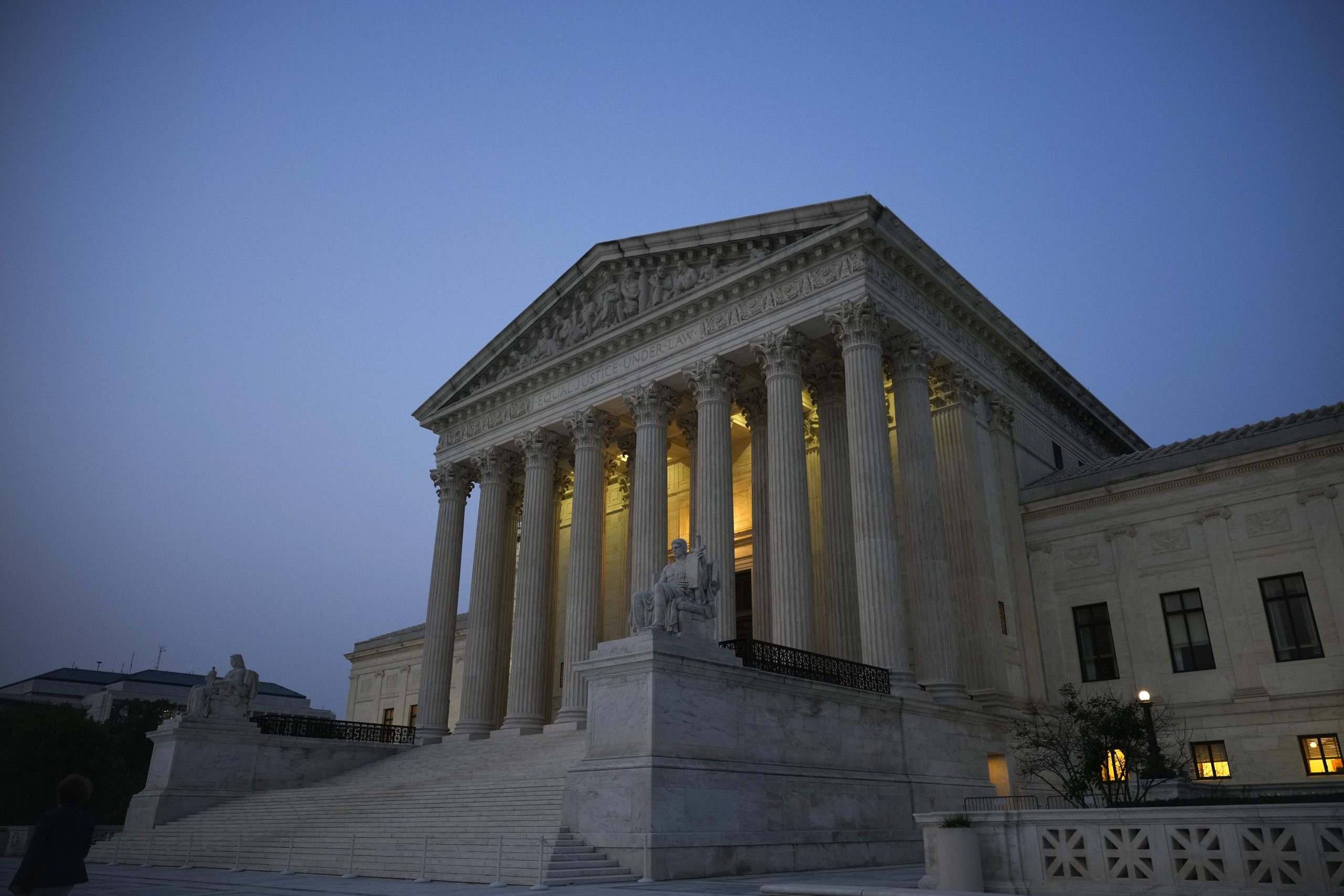
Supreme Court Affirms Birthright Citizenship
Supreme Court upholds birthright citizenship on constitutional – The U.S. Supreme Court on Tuesday affirmed the constitutional principle of birthright citizenship, delivering a decisive blow to President Trump’s efforts to restrict automatic citizenship for children born in the country. In a 6-3 ruling, the justices upheld the longstanding legal framework that grants U.S. citizenship to nearly all individuals born on American soil, regardless of their parents’ immigration status. This decision effectively invalidated Trump’s executive order, which aimed to deny citizenship to infants of undocumented immigrants and those of parents with temporary visas.
Constitutional Foundations and Judicial Interpretations
Chief Justice John Roberts, author of the majority opinion, grounded the ruling in the original intent of the Fourteenth Amendment. He emphasized that the framers of the amendment, post-Civil War, sought to expand citizenship rights broadly, ensuring that all “free-born persons” in the nation would be recognized as citizens. Roberts cited historical references to the colonists’ desire for “rights of Englishmen” and abolitionists’ advocacy for universal birthright citizenship as key influences on the amendment’s drafting.
“Citizenship, then and now, was the right to have rights — to freely participate in our political community. The Framers of the Fourteenth Amendment extended that promise to ‘every free-born person in this land,’” Roberts wrote. “We keep that promise today.”
The opinion highlighted that the amendment’s language, “All persons born or naturalized in the United States and subject to the jurisdiction thereof, are citizens of the United States,” was intentionally crafted to include a wide range of individuals. Roberts noted that while three exceptions exist — foreign diplomats, children of foreign nationals with certain statuses, and those born to parents who were not subject to U.S. jurisdiction — only the first remains relevant today. The other exceptions were based on historical contexts no longer applicable.
Dissenting Views and Historical Context
Justice Clarence Thomas, leading the dissenting opinion, argued that the Fourteenth Amendment was primarily intended to secure citizenship for former enslaved individuals and their descendants. He contended that the provision should not extend to all children born in the U.S., suggesting that the amendment’s scope was narrower than the majority interpreted. Thomas also expressed doubt about the long-term viability of the majority’s stance, claiming that the ruling might not withstand future legal scrutiny.
“Justice Thomas now surprisingly suggests that the citizenship clause was a race-conscious remedial measure relating only to freed slaves,” Justice Ketanji Brown Jackson countered. She pointed out the contradiction in Thomas’s argument, given his prior support for colorblind constitutional principles.
Thomas’s dissent, joined by Justice Neil Gorsuch, also criticized the court for not adequately addressing the modern implications of the ruling. Meanwhile, Justice Brett Kavanaugh, while agreeing with the majority on the 1950s legislation granting automatic citizenship, took a more narrow view, emphasizing that the decision hinged on the specific wording of federal statutes rather than the broader constitutional principle.
Impact on Immigration Policy and Legal Precedent
The court’s decision directly challenged Trump’s executive order, which sought to bar citizenship for children of parents who entered the country illegally or held temporary visas. This policy, issued on the first day of Trump’s second term, was deemed unconstitutional by all lower courts before reaching the Supreme Court. The justices’ ruling reinforced the idea that birthright citizenship is a constitutional guarantee, not a discretionary policy choice.
Historically, the court’s interpretation of birthright citizenship dates back to the 1898 case of Wong Kim Ark, a Chinese infant born in San Francisco to immigrant parents. In that landmark decision, the Supreme Court ruled that Wong was a U.S. citizen by birth, despite his parents’ status as foreign nationals. The case became a foundational precedent, establishing that birth on U.S. soil alone sufficed for citizenship, even in the absence of documentation.
Thomas’s dissent revisited the Wong Kim Ark case, questioning whether the court had overstepped in its application of the principle. He argued that the amendment’s framers had specific racial motivations, a view that Jackson refuted. The majority opinion, however, underscored the universality of the amendment’s language, citing its broad acceptance over the past century.
Broader Implications and Advocacy
Birthright citizenship has long been a cornerstone of American identity, shaping the legal and social fabric of the nation. The court’s ruling reaffirmed this principle, even as it faced criticism from those who see it as a pathway for undocumented immigrants. The decision also brought renewed attention to the role of historical context in shaping constitutional interpretations, with advocates highlighting the amendment’s original intent to include all individuals, regardless of race or origin.
Cecillia Wang, an attorney for the ACLU and herself a birthright citizen born to Chinese parents, played a pivotal role in the case. She argued before the court that the Fourteenth Amendment was deliberately designed to grant citizenship to children, not their parents, ensuring that future generations could fully participate in American society. Wang’s testimony underscored the human impact of the ruling, emphasizing that it protects the rights of children born in the U.S. to immigrant families.
Legal scholars noted that the decision’s significance extends beyond the immediate policy question. It reasserts the Constitution’s role as a living document, capable of adapting to new challenges while retaining its core principles. The ruling also provided clarity on the term “subject to the jurisdiction thereof,” which has been a subject of debate in recent years. The majority clarified that this phrase encompasses virtually all children born in the United States, with only minor exceptions.
Future Legal Challenges and Political Reactions
While the decision has been celebrated by civil rights advocates, it may face continued challenges from those who argue for stricter immigration controls. The court’s majority opinion, however, demonstrated a consensus among the justices on the amendment’s broad application. Roberts’ emphasis on the Framers’ intent and the historical continuity of the principle suggests that the ruling is likely to remain stable in the near term.
President Trump, who has long claimed that the Constitution does not guarantee birthright citizenship, now finds himself on the losing end of a legal battle he initiated. The decision reinforces the idea that the Fourteenth Amendment was a deliberate expansion of citizenship rights, intended to integrate diverse populations into the American system. As the ruling takes effect, it will continue to shape debates over immigration policy, legal norms, and the interpretation of constitutional language.
With the Supreme Court’s reaffirmation of birthright citizenship, the focus now shifts to how this principle will be applied in the future. The ruling not only upholds a constitutional right but also sets a precedent that may influence upcoming cases involving immigration, nationality, and the rights of children born to foreign parents. As the legal landscape evolves, the court’s interpretation will serve as a critical reference point for both advocates and policymakers.