Veterans Oppose Trump’s Arch Near Arlington National Cemetery
Strong Opposition to the Proposed Triumphal Arch
Veterans and relatives see no place for Trump’s arch near Arlington National Cemetery, arguing that its placement disrupts the sacred atmosphere of the site. The 250-foot monument, planned for the main entrance of the cemetery, has drawn fierce criticism from military families and historians. They believe the arch’s location overlooks the historical and emotional significance of the grounds, where over 400,000 service members, veterans, and their loved ones are honored. The monument’s proximity to the Lincoln Memorial further complicates its symbolism, as many view the connection between the two landmarks as essential to the nation’s collective memory of sacrifice and unity.
Administration’s Rationale for the Project
President Trump’s administration claims the arch represents a tribute to American achievements and national pride. However, veterans and relatives see no place for such a monument, stating it feels more like a personal tribute to the president than a shared honor. Critics question whether the arch aligns with the values of the cemetery, which has long symbolized the quiet dignity of those who served. The proposed structure, they argue, risks overshadowing the legacy of those who gave their lives in service, rather than complementing it.
Legal and Symbolic Challenges
Veterans and legal advocates are challenging the arch’s construction, citing its potential to alter traffic flow and diminish the cemetery’s solemnity. A lawsuit filed in February under the Commemorative Works Act and Title 40 of the U.S. Code asserts that the project lacks proper Congressional approval. “The starting point for a monument like this is an act of Congress,” explained Nicolas Sansone, the lead attorney for the plaintiffs. “They need to say, ‘We want this monument to represent X, and it should be located here.'” The Trump administration has relied on past authorization for similar structures as a legal precedent, but opponents argue this justification is insufficient.
“The arch does not check any of those boxes,” said Shaun Byrnes, a Vietnam veteran from Virginia. “Other monuments were built after leaders passed away, by citizens who wanted to honor them. This one feels like it’s for the president alone.”
Personal Stakes for the Plaintiffs
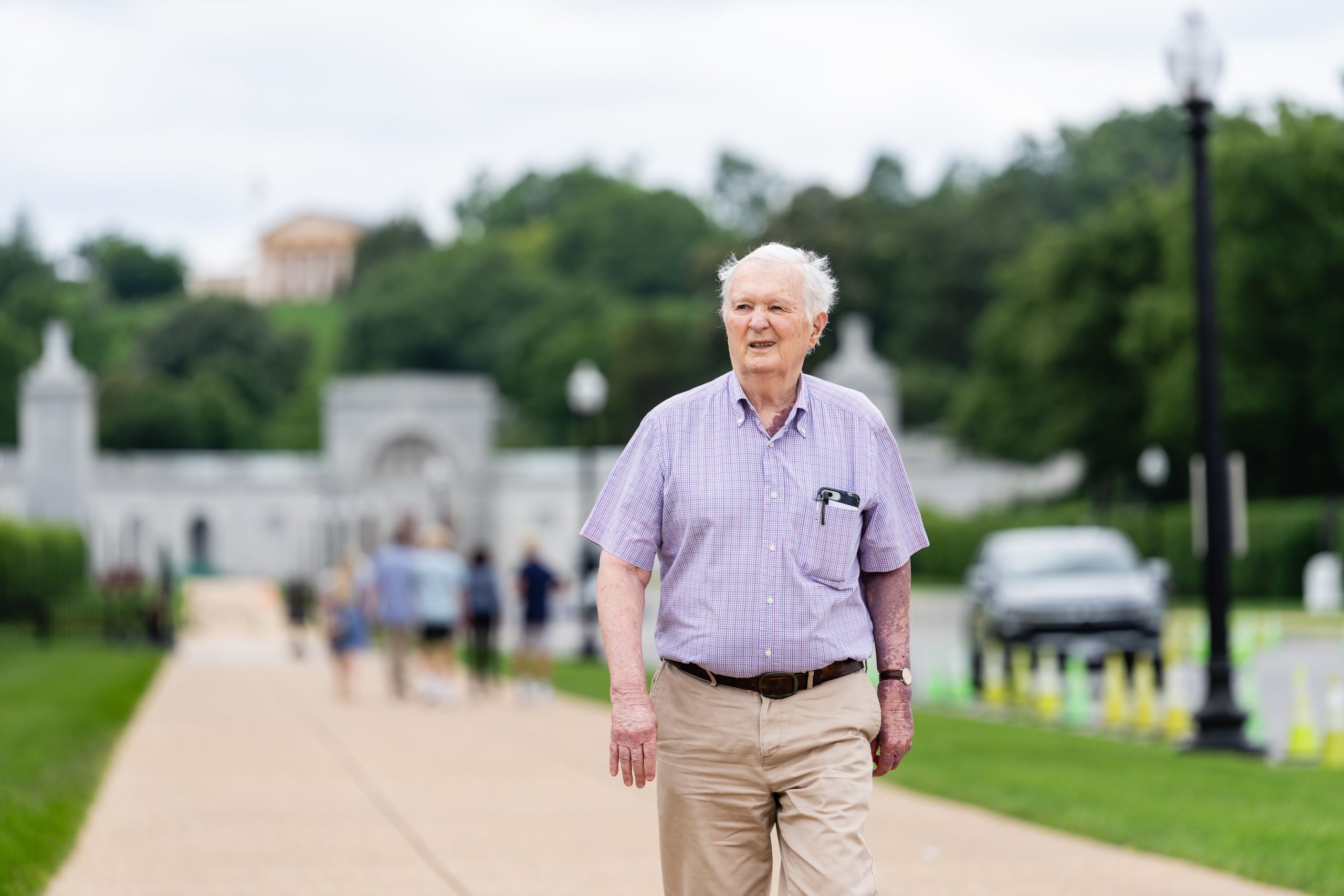
Byrnes, a 83-year-old Vietnam veteran, shared his emotional connection to the cemetery, which holds the memories of fallen comrades. He recalled a moment during the war when a gun in his unit exploded, killing three friends and leaving him with severe burns. “This site is about remembrance and sacrifice,” he emphasized. “Adding a monument that’s more about power than service feels out of place.” His experiences in the Navy and later in the U.S. Foreign Service have deepened his commitment to preserving the cemetery’s integrity, despite his decision to sue the administration.
Collaborative Effort and Legal Strategy
Byrnes joined a coalition of veterans and historians, including Jon Gundersen and Michael Lemmon, to challenge the project. Represented by Public Citizen, they argue that the monument lacks democratic oversight and community consensus. The case hinges on whether the arch’s placement violates federal guidelines for monuments on public land. While the administration asserts it will provide 14 days’ notice before construction, plaintiffs insist the process is rushed and lacks transparency. The Commission for Fine Arts, which includes Trump appointees, has recently approved the design, but the legal battle continues.
“This is not just about the arch. It’s about whose voices are being heard,” said Calder Loth, the architectural historian. “Veterans and relatives see no place for a monument that doesn’t reflect the values of those it’s meant to honor.”
Broader Implications for Monumental Legacy
The debate over Trump’s arch has sparked discussions about how monuments are chosen and funded. Veterans and relatives see no place for a structure that prioritizes political symbolism over historical accuracy. They argue that the Lincoln Memorial’s role as a tribute to a revered leader should be preserved, rather than replaced or overshadowed. The legal challenge underscores concerns about the erosion of democratic processes in shaping national landmarks, with implications for future projects at the cemetery and beyond.