Somali Referee’s U.S. Entry Denied, Celebrated as National Icon at Home
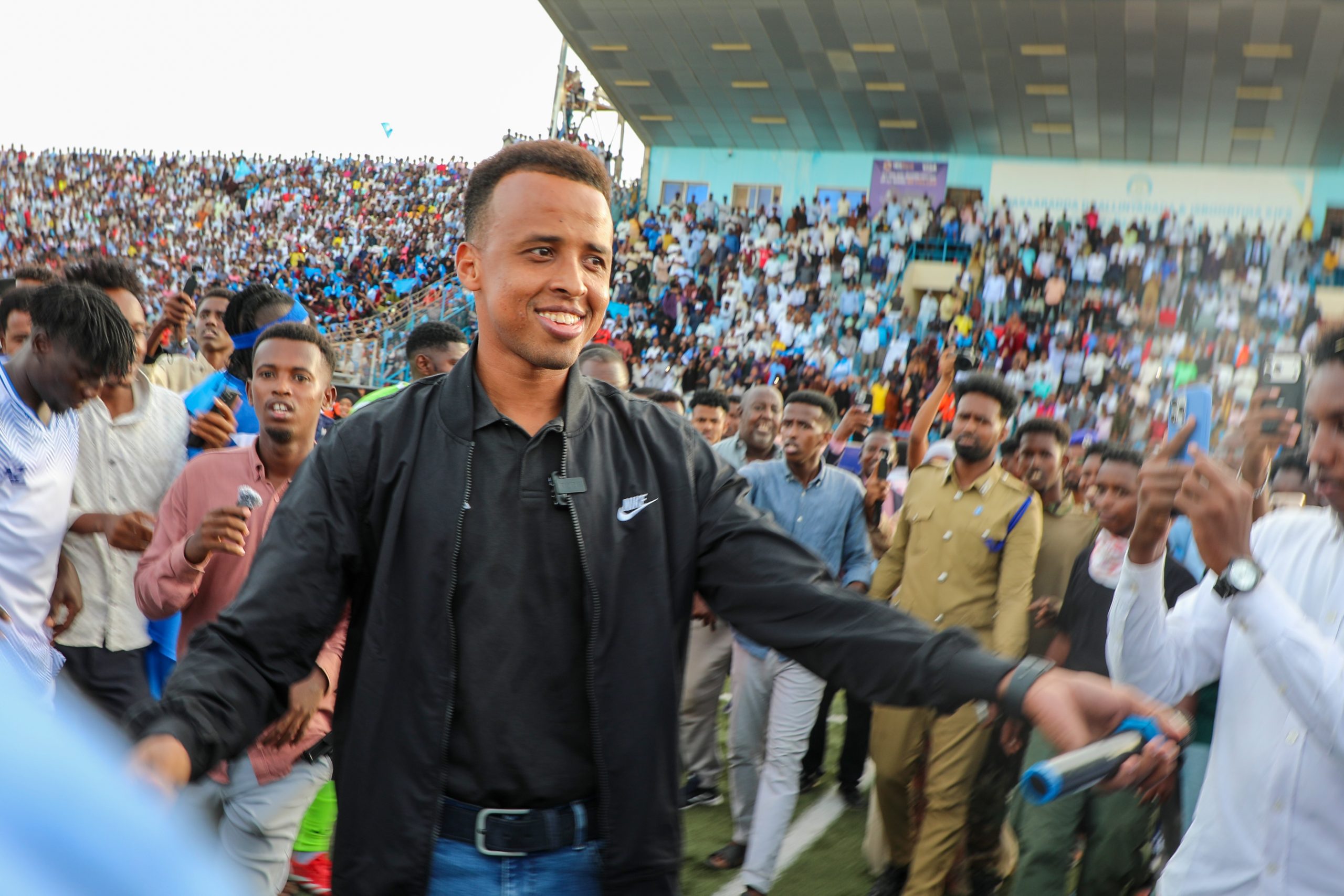
Somali World Cup referee denied U S – Omar Artan, a Somali referee set to officiate at the World Cup, returned to his homeland after being barred from entering the United States. His homecoming was marked by an outpouring of national pride, as citizens and officials honored him with a ceremonial reception. Upon landing in Mogadishu, he was met by government representatives who presented him with floral arrangements, while citizens adorned him with the iconic sky-blue Somali flag. The event drew hundreds to a stadium in the capital, not for a match, but to celebrate a figure who embodies the country’s aspirations on the global stage.
A Symbol of Resilience and Pride
Artan, whose selection as a World Cup referee had sparked widespread excitement, became a beacon of hope for many in Somalia. His journey to the international arena, despite the recent setback, has been hailed as a testament to the nation’s progress. “The events that transpired were beyond my control, yet I am thankful for the backing FIFA provided me,” he shared with reporters, reflecting on the U.S. decision. His presence in the stadium, carried shoulder-high by supporters, underscored the deep connection between his achievements and the collective identity of Somalia.
The World Cup, held across the U.S., Canada, and Mexico, had been a dream for Artan and his compatriots. His inclusion as a referee represented a milestone for the country, which has long struggled with international perceptions. However, the U.S. denial of his entry has shifted the narrative, transforming his moment of triumph into a focal point for Somali pride. “We should strive for our country and defend it,” he said, addressing local media. “Never let disappointment define us. I love my homeland and urge young people to pursue their ambitions relentlessly.”
Controversy and Allegations in the U.S.
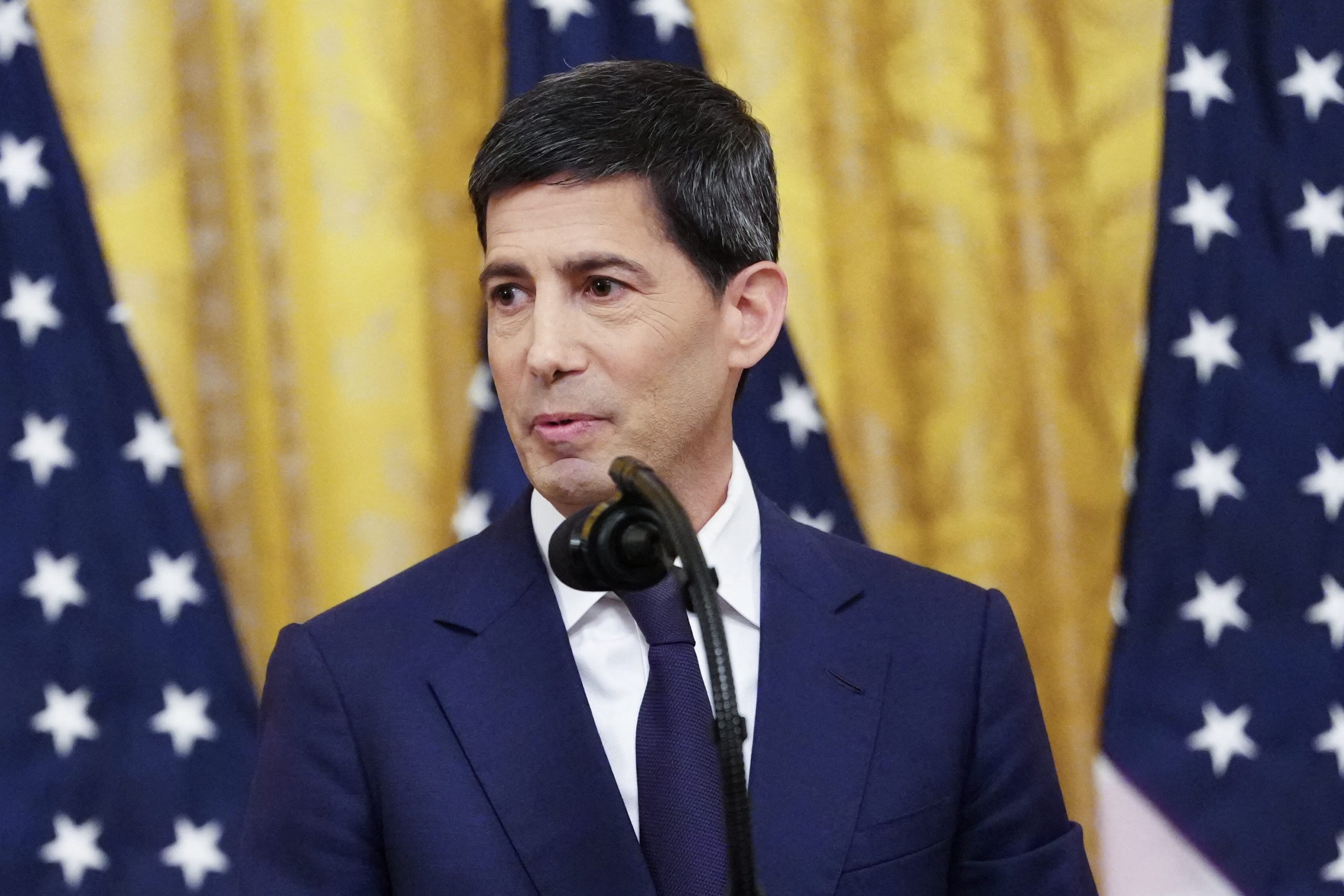
The U.S. Customs and Border Protection (CBP) denied Artan entry at Miami International Airport, despite his possession of a diplomatic passport and valid visa. Andrew Giuliani, head of the White House World Cup task force, defended the decision, stating, “Anyone who is communicating with bad actors planning harm against the United States will not be admitted.” The claim has sparked debate, with some questioning the basis for such an abrupt exclusion.
“Anyone who is communicating with bad actors planning harm against the United States will not be admitted.” — Andrew Giuliani, White House World Cup task force head
An anonymous Trump administration official alleged that Artan had ties to “suspected members of terror organizations.” This accusation, however, has not been substantiated, leaving many to wonder about the motivations behind the denial. NPR has contacted Artan for his perspective but has yet to receive a response. The controversy highlights the broader political dynamics at play, where personal achievements can be overshadowed by geopolitical tensions.
Context of the U.S. Travel Ban
Somalia was one of twelve nations affected by a sweeping U.S. travel ban implemented last year. President Trump had frequently criticized the country, labeling its people as “garbage” and describing Somalia as “probably the worst, most dangerous country” or “hell.” These remarks have left a lasting impression, influencing how the U.S. perceives Somali nationals in high-profile roles.
Artan’s case adds a new layer to this narrative. While the U.S. has partnered with Somalia to combat Al Qaeda-linked militant group Al-Shabaab, the denial of his entry has fueled frustration. Ilham Gasser, a member of Somalia’s parliament, expressed this sentiment: “Many Somalians feel he was treated unfairly. If these were genuine concerns about his ties to terror groups, why weren’t they flagged during the visa process?” The question lingers, emphasizing the disconnect between the country’s efforts to improve its image and the perceived lack of due process in critical moments.
A Setback Turned Triumph
Artan’s inability to participate in the World Cup has ironically become a source of inspiration for his people. The FIFA spokesperson confirmed that the referee will now miss training opportunities in the U.S., Canada, and Mexico, where the tournament is set to begin in Mexico City on Thursday. Yet, this absence has not diminished his significance. Instead, it has solidified his status as a symbol of resilience and national achievement.
In a country where international recognition is often elusive, Artan’s story resonates deeply. His determination to pursue the World Cup, even after the setback, underscores a spirit of perseverance. “I will attend the next World Cup,” he declared, reaffirming his commitment. For many Somalians, his journey serves as a reminder of the nation’s potential to overcome adversity and claim its place on the global stage.
The incident also raises broader questions about the intersection of politics and sports. While the U.S. aims to safeguard its interests, the symbolic value of hosting a Somali referee cannot be overlooked. In Mogadishu, where the World Cup may have slipped away this time, his achievements at home are impossible to ignore. The contrast between his reception in Somalia and the U.S. highlights the power of a single individual to unite a nation, even in the face of international challenges.
As the tournament approaches, the focus remains on Artan’s impact. His story has become a narrative of triumph, demonstrating that obstacles can sometimes amplify a person’s significance. While the U.S. decision may have delayed his participation, it has inadvertently reinforced the pride of his home country. For Somalia, the moment is not about loss, but about celebration—a testament to the enduring strength of its people and their aspirations for the world stage.
The Path Forward
Artan’s experience reflects the complex interplay between individual success and national reputation. His journey from being denied entry to being celebrated as a hero underscores the emotional weight of such decisions. While the U.S. allegations remain unproven, they have ignited discussions about the balance between security and opportunity.
For Artan, the future is uncertain but undiminished. His resolve to continue competing at the highest level serves as a powerful message to young Somalians. “We should never be disappointed,” he said, “because our efforts matter.” The football field, both literally and metaphorically, has become a stage for his legacy. As the World Cup progresses, his story will remain a touchstone for a nation striving to redefine its place in the world.
Even as the U.S. continues to navigate its relationship with Somalia, the referee’s journey stands as a reminder of the power of perseverance. His achievements, though temporarily hindered by political decisions, will continue to inspire. In the end, the true measure of his impact lies not in the countries he has been denied entry, but in the hearts of those who have embraced him as a national icon.