Whales Are Showing Up in San Francisco Bay: New Alert System Aims to Protect Them
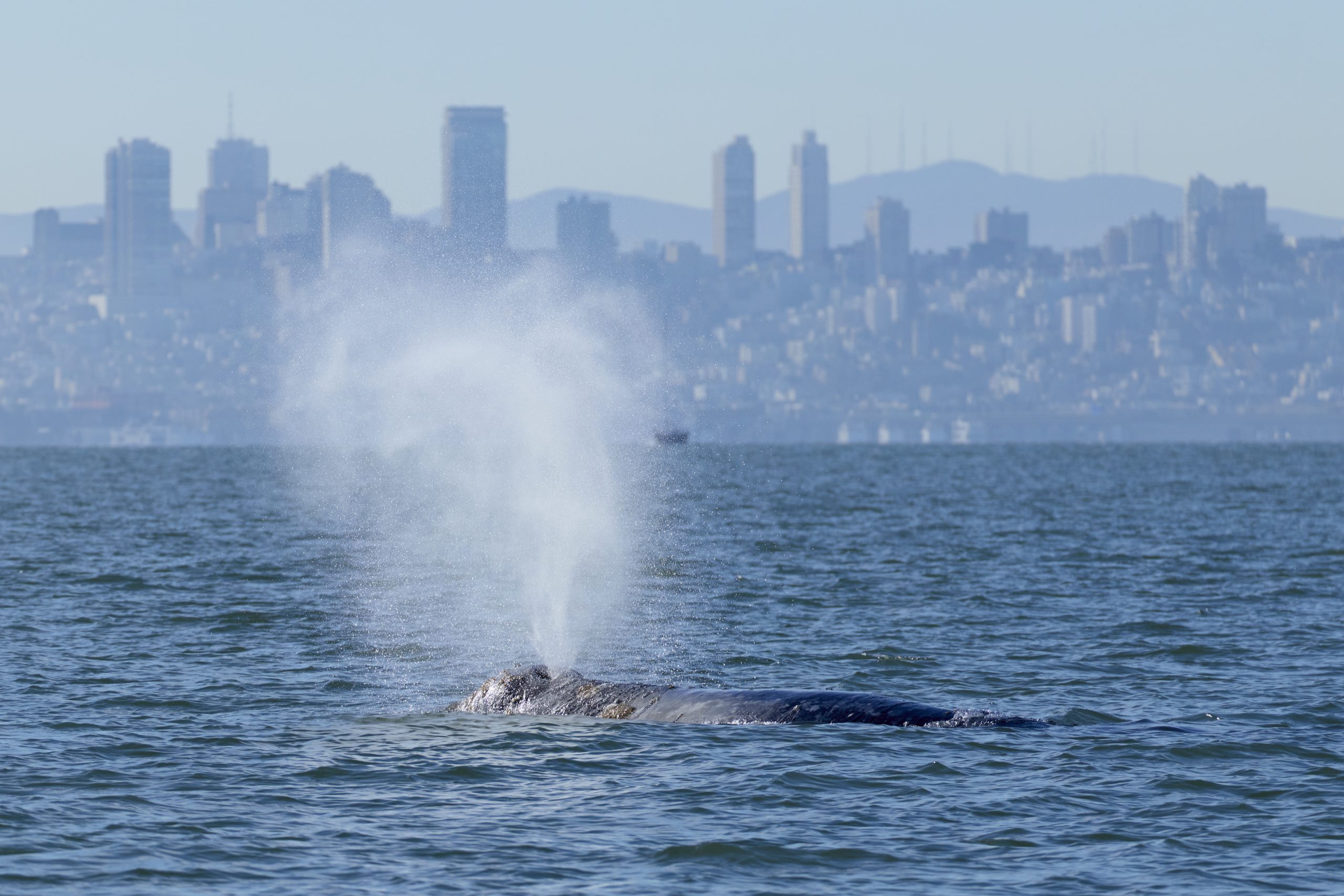
Whales are showing up in San Francisco – Gray whales are increasingly appearing in San Francisco Bay, a region once considered a rare stop along their migratory route. This growing presence highlights a critical shift in their behavior, as the bay becomes a new hub for these marine giants. Researchers are now closely monitoring the situation, noting that the whales are navigating closer to urbanized waters to access food sources that have become harder to find due to changing ocean conditions. The emergence of this phenomenon has sparked urgent efforts to implement advanced tools that could reduce the risk of deadly ship collisions.
Climate Change Drives Whale Migration Shift
Climate change is reshaping the environment in ways that impact gray whale migration. Traditionally, these whales travel from the Arctic to Baja California, relying on cold, nutrient-rich waters to build fat reserves for their long journey. However, the Arctic’s warming temperatures and retreating sea ice are diminishing their primary feeding grounds, forcing them to seek alternative routes. San Francisco Bay has become a vital detour for some whales, exposing them to increased ship traffic and higher mortality risks. This trend underscores the broader ecological consequences of global warming on marine life.
As the whales move into warmer waters, their interactions with human activities have intensified. Over the past few years, the number of whale sightings in the bay has surged, with many reported near Alcatraz Island and other key areas. These encounters are not just a sign of ecological change but also a growing concern for conservationists. The whales’ reliance on these new zones for sustenance means they are spending more time in regions where ship strikes are a frequent threat. The question now is how to mitigate this danger effectively.
Innovative Technology to Safeguard Whale Populations
To address this challenge, scientists and local authorities are testing a groundbreaking thermal camera and AI system designed to detect gray whales in real time. The technology, developed by the Benioff Ocean Science Laboratory, uses heat signatures from whale exhalations to identify their presence. This system is deployed on an island in the bay, providing data that is instantly shared with the WhaleSafe website. The initiative aims to create a dynamic early warning network, helping ships avoid high-risk areas where whales are more likely to be found.
“By pinpointing whale locations before collisions occur, we can significantly reduce the number of fatalities,” explains Gary Reed, director of the Vessel Traffic Service for the U.S. Coast Guard. The technology relies on thermal imaging, which captures the slightly warmer exhalations of whales against the cooler surrounding water. Once detected, the system alerts operators, allowing them to adjust navigation paths and minimize encounters. This innovation represents a critical step in protecting whales as they adapt to a shifting climate.
The success of this system depends on its integration with existing maritime infrastructure. The WhaleSafe platform serves as a central hub, distributing real-time alerts to ships via radio. This proactive approach is essential for areas like San Francisco Bay, where the combination of dense shipping lanes and increased whale activity creates a dangerous scenario. By leveraging technology, conservationists hope to balance human activity with the survival of these vulnerable creatures in their new habitat.
Evidence of Ship Strikes and Conservation Concerns
Recent studies have shown a troubling link between ship strikes and whale mortality. Of the 16 gray whales observed in the bay this year, seven have died, with injuries consistent with collisions. Kathi George of the Marine Mammal Center emphasizes that blunt force trauma from ship impacts is a major cause of death. “Each whale that enters and exits the bay is a critical factor in the species’ survival,” she says. “We’re seeing a direct correlation between their presence and the number of fatal incidents.” This data underscores the need for immediate action to protect these animals in their new environment.
Gray whales showing up in San Francisco Bay are not only facing physical threats but also ecological ones. The loss of traditional Arctic feeding grounds has led to energy depletion, which can weaken their ability to navigate safely. Conservationists warn that without intervention, the whales may struggle to recover their population. The current North Pacific gray whale population is estimated at around 13,000, a sharp decline from a decade ago. This drop is most pronounced in the San Francisco Bay Area, where 22 whale deaths were recorded last year—a record high in 25 years.
Experts are calling for broader adoption of the thermal alert system to ensure its effectiveness. Douglas McCauley, director of the Benioff Ocean Science Laboratory, notes that even small interventions can make a significant difference. “The whales are adapting to their new reality, but we need to adapt our strategies to protect them,” he says. As the bay becomes an increasingly important part of their migration, the collaboration between scientists, authorities, and maritime operators will be key to their survival.