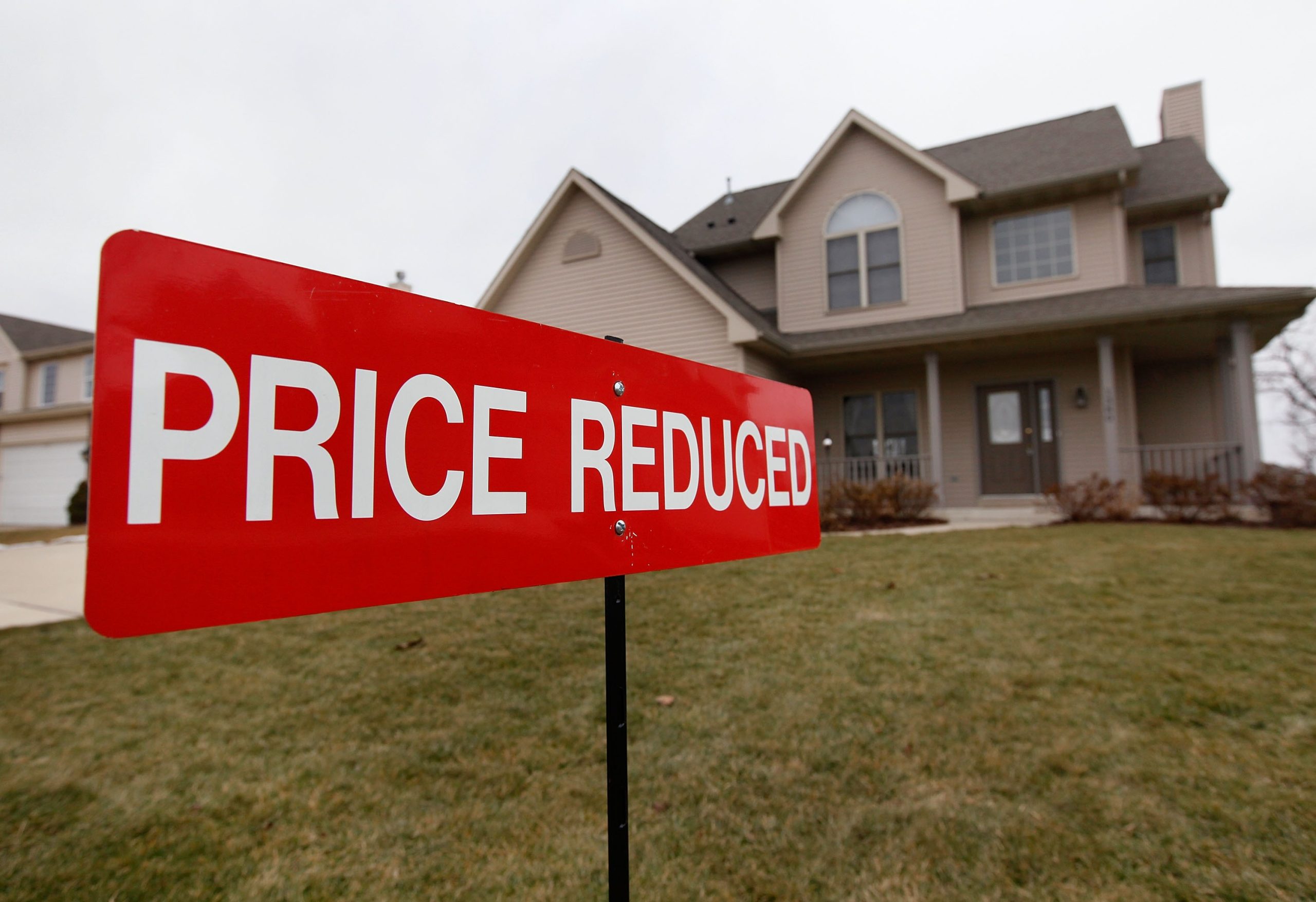
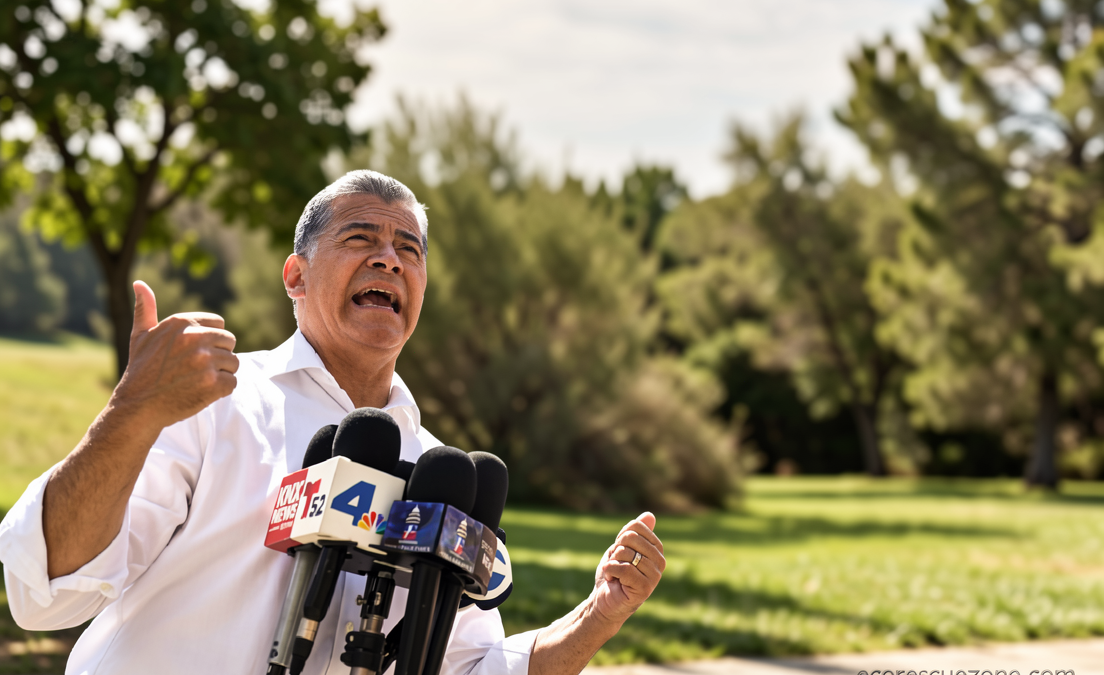
Becerra, running for governor of California, faces a health insurance problem

Daftar Isi
California’s Health Coverage Crisis Meets a Governor’s Race
Ecorescuezone.com – As state and federal budget cuts to Medicaid and ACA marketplace subsidies begin taking effect, California is on track to lose millions of residents from health insurance rolls within the next four years. The state that once posted one of the sharpest drops in its uninsured population in the country now faces a reversal that could reshape its hospitals, insurers, and labor market. And the man most associated with building the federal safety net now stands to become its state-level guardian.
Xavier Becerra, the former U.S. House member and Health and Human Services secretary who spent years shepherding, defending, and expanding the Affordable Care Act, is locked in a tight November contest for California governor against Republican Steve Hilton, a former Fox News commentator who has drawn President Donald Trump’s endorsement. Polling puts the race within striking distance of either candidate, but the stakes extend well beyond the ballot box.
A Projected Coverage Collapse
A May analysis from the University of California, Berkeley Labor Center projects that the number of uninsured Californians under age 65 will nearly double, climbing from roughly 2.4 million to 4.6 million by 2030. The driver is straightforward: recently enacted state and federal reductions to Medicaid eligibility and ACA marketplace subsidies are unwinding coverage gains accumulated over more than a decade.
The economic ripple effects are already visible. Miranda Dietz, director of the labor center’s healthcare program, told state legislators in February that the projected coverage losses could eliminate approximately 200,000 jobs in California, the vast majority concentrated in the healthcare sector. Hospital executives have begun flagging rising volumes of unpaid medical bills, while actuaries and policy analysts warn that insurers will push premiums higher as their remaining enrollee pools skew older and sicker on average.
Jessica Altman, executive director of Covered California — the nation’s largest state-operated health insurance exchange — framed the incoming challenge bluntly:
“It’s triage. That’s what the next governor is walking into.”
Becerra’s Proposed Backfill
Becerra has pledged to issue an executive order aimed at keeping Californians affected by federal funding cuts enrolled in coverage. He has not, however, laid out a detailed mechanism for replacing up to $30 billion in annual federal dollars that the state stands to forfeit under current federal policy.
At a policy forum hosted by Politico earlier this month, he offered a broader philosophy: press the insurance and pharmaceutical industries to strip out administrative waste — what he called the costs of “attorneys, accountants, pencil pushers” — and redirect those savings toward keeping Californians insured.
“I’m going to ask them to help me extract some of that waste and put it into healthcare, which helps us cover the cost of keeping Californians insured,” he said.
The approach echoes tactics he used as California attorney general, when his office successfully litigated to preserve many ACA provisions, including guaranteed access to birth control without insurer cost-sharing.
Hilton’s Counter-Play
Hilton, despite carrying Trump’s endorsement, has attempted to court voters skeptical of the president by emphasizing cost relief. He has stumped on eliminating state-funded coverage for Californians without legal status and redirecting those savings into state income tax reductions, which he frames as an immediate antidote to high living costs.
“We all understand that the healthcare system is a mess and needs major reform,” Hilton said in an interview. “The quickest thing we can do on healthcare costs is actually to tax people less.”
That stance places him in direct tension with the state’s progressive policy consensus and with the millions of residents who depend on publicly funded coverage programs.
The ACA Legacy Becerra Built
Before the ACA took effect, approximately 50 million Americans — roughly one in six — lacked any health insurance. Within a few years of the law’s 2010 passage, its expansion of Medicaid eligibility and its premium subsidies for lower-income marketplace enrollees cut the national uninsured rate by nearly half.
Becerra was embedded in Speaker Nancy Pelosi’s leadership team during the 2010 legislative fight, helping marshal floor votes to pass the statute. He also contributed to drafting, though his push to embed a government-backed coverage option in the final text did not survive committee markup.
A decade later, when Congress confirmed him as HHS secretary under President Joe Biden, he described his primary mission as executing the administration’s agenda to broaden access and lower costs within the ACA framework. During the pandemic, his department implemented a freeze on Medicaid disenrollment and administered generous, though temporary, premium tax credits that pulled millions more Californians and Americans into coverage.
Now, as those temporary measures expire and federal budgets contract, the question Becerra would face as governor is whether a single state — wealthy, populous, and politically progressive — can absorb the shock of a shrinking federal safety net without leaving its most vulnerable residents exposed. The Berkeley projections suggest the answer, absent aggressive state intervention, is no.
Related Reading
Frequently Asked Questions
What is Becerra running for governor of California?
Becerra running for governor of California is the main topic of this guide. The article explains the context, practical details, and next steps readers should understand.
Why does Becerra running for governor of California matter?
Becerra running for governor of California matters because readers are looking for a useful answer, not just a short summary. Good content should match search intent and help them decide what to do next.