Drugstores say Medicare’s $50 obesity drug program is catching on

Daftar Isi
Medicare’s Temporary Obesity Drug Pilot Draws Hundreds of Thousands of Seniors in Under Two Months
Ecorescuezone.com – When the federal government opened a narrow door to weight-loss medication for older Americans in July, pharmacy chains across the country braced for a surge. They were right. Within roughly eight weeks of the program’s launch, CVS and Walgreens each reported filling approximately 100,000 prescriptions under what the administration calls the Bridge program — a pilot that lets qualifying Medicare beneficiaries access GLP-1 drugs for a flat $50 monthly copay.
The initiative exists because of a legal constraint: by statute, Medicare cannot directly fund weight-loss medications. The administration engineered a workaround. Under the Bridge rules, Medicare will cover the drug cost when a beneficiary carries obesity alongside a comorbidity such as difficult-to-control hypertension. The program is designed as a temporary bridge, scheduled to operate through the end of 2027.
Who Qualifies — and Who Does Not
The eligibility screen excludes beneficiaries whose obesity is already paired with sleep apnea or Type 2 diabetes. In those cases, Medicare Part D is expected to cover GLP-1 therapies under existing benefit rules, making the Bridge pathway redundant. The roughly four million Medicare recipients the agency estimated might qualify represent the pool from which the program draws its users.
Pharmacy Chains Report Rapid Uptake
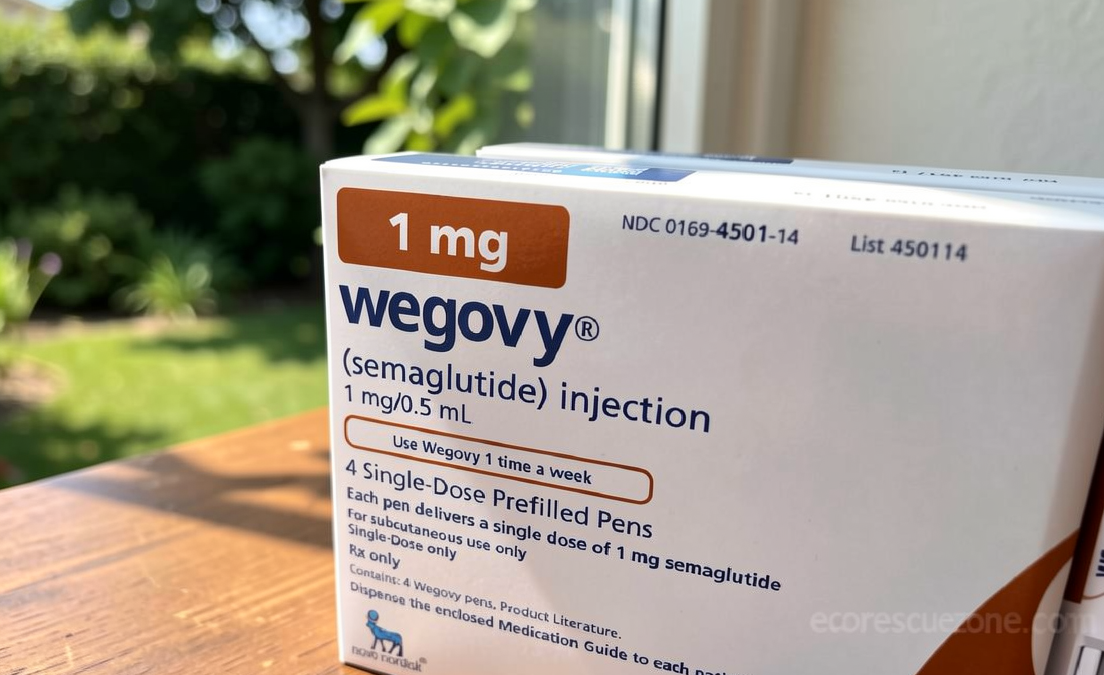
Walgreens prepared for the July rollout by stocking additional inventory of Wegovy, Zepbound, and Foundayo at locations nationwide. Rick Gates, the chain’s chief pharmacy officer, described the response as exceeding internal forecasts.
“We expected there would be uptake,” Gates said. “I think there’s been a little bit more uptake than we even expected.”
Gates noted that Walgreens pharmacies made minor operational adjustments during the initial weeks but encountered no supply disruptions. He added that roughly half of the patients the chain has served through the Bridge program had never previously used a GLP-1 medication, meaning the program is reaching a substantial cohort of first-time users.
“That’s the part where pharmacies naturally will lean in,” Gates explained, emphasizing the importance of keeping patients engaged through early side effects such as nausea and diarrhea. “Those are the things that pharmacists can really help with.”
CVS reported filling more than 100,000 Bridge prescriptions by mid-August. The chain also highlighted alternatives for patients who fall outside the program’s eligibility criteria, noting that its stores accept a broad range of third-party prescription discount cards, manufacturer coupons, and manufacturer vouchers to lower out-of-pocket costs.
Walmart, which operates pharmacies in thousands of communities, declined to share a specific prescription count but confirmed that Bridge-related fills have been climbing week over week. The company stated that more than 5,000 Walmart and Sam’s Club pharmacy locations nationwide have processed Bridge prescriptions.
Scale of Participation
The Centers for Medicare and Medicaid Services did not release aggregate utilization figures. However, CMS Administrator Mehmet Oz posted a video to the social media platform X on July 29 stating that 250,000 beneficiaries had signed up for the program. It remains unclear how many of those sign-ups completed the prior-authorization step required before a prescription can actually be filled.
Jeremy Shane, a nonresident scholar at the USC Leonard D. Schaeffer Institute for Public Policy & Government Service, characterized the retail pharmacy data as evidence of meaningful senior engagement with the temporary benefit.
“I think those are big numbers and they’re encouraging about the demand for those medications,” Shane said. “Before Bridge started, Medicare had estimated roughly about 4 million Medicare recipients might qualify for the program. And so if you figure this is 200,000 and, you know, there might be as many as twice as many that are out there through other chain drugstores and other prescription pharmacies. That’s, you know, somewhere between 5% and 10% of the eligible population in just a short period of time.”
Cost Projections and Broader Implications
The administration has not disclosed a budget estimate for the 18-month pilot. The nonpartisan Kaiser Family Foundation attempted to fill that gap, projecting total program costs between $1.3 billion and $10 billion depending on ultimate participation rates among the nearly four million eligible beneficiaries. For perspective, KFF notes that Medicare Part D spending on prescription drugs in 2025 totaled $181 billion.
Shane argued that framing the discussion purely around price misses the larger policy question. He published research several years ago concluding that expanding Medicare access to GLP-1 therapies over a decade-long horizon could lower overall healthcare spending while improving quality of life for older adults.
“I think that the Bridge program is actually a great opportunity to refactor how we think about the price of medications and cost,” Shane said. “And my personal perspective is cost is the wrong way of looking at it.”
His position centers on long-term value: if GLP-1 medicines help beneficiaries manage weight, blood pressure, and metabolic risk factors, downstream savings in hospitalizations, cardiovascular events, and chronic-disease management could offset the upfront drug expenditure. The Bridge program, in that framing, functions less as a standalone benefit and more as a real-world experiment in whether value-based access to these agents reshapes Medicare’s cost curve over time.
For the roughly four million seniors who may qualify, the practical question in the near term is straightforward: can they obtain prior authorization, reach a participating pharmacy, and navigate the initial weeks of therapy with enough support to stay on treatment? The pharmacy data through late August suggests that, for a meaningful slice of that population, the answer is already yes.
Related Reading
Frequently Asked Questions
What is Drugstores say Medicare s 50 obesity?
Drugstores say Medicare s 50 obesity is the main topic of this guide. The article explains the context, practical details, and next steps readers should understand.
Why does Drugstores say Medicare s 50 obesity matter?
Drugstores say Medicare s 50 obesity matters because readers are looking for a useful answer, not just a short summary. Good content should match search intent and help them decide what to do next.