3 firefighters killed on Colorado-Utah border as wildfires intensify

Tragedy Strikes as Wildfires Intensify on Colorado-Utah Border
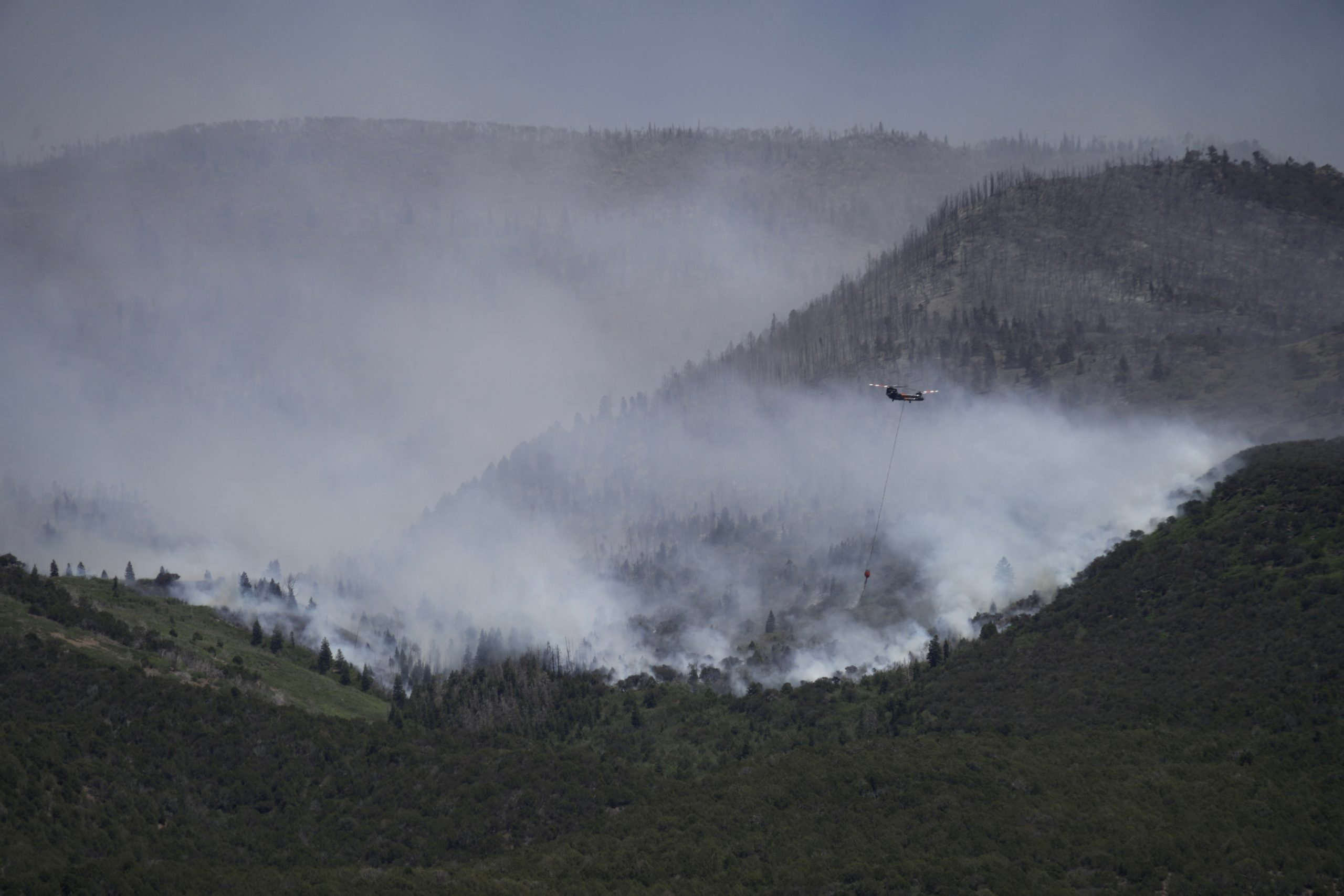
3 firefighters killed on Colorado Utah – Saturday marked a devastating chapter in the ongoing wildfire crisis as three firefighters lost their lives while battling blazes along the Colorado-Utah border. The U.S. Wildland Fire Service confirmed the incident, which occurred during an interagency operation targeting the Knowles and Gore fires. Two additional crew members sustained injuries, leaving the agency to reflect on the courage and commitment of those who faced the flames.
A Grieving Response
In a heartfelt statement shared on Facebook, the U.S. Wildland Fire Service expressed solidarity with the USDA Forest Service, acknowledging the profound loss of life and the emotional toll on families. “Their bravery, dedication, and sacrifice will never be forgotten,” the agency said, underscoring the unity of responders in the face of tragedy. The quote highlights the collective resolve to honor the fallen while continuing to combat the escalating fire threat.
“Their bravery, dedication, and sacrifice will never be forgotten.”
Extreme Fire Conditions
The incident was classified as a “burnover event,” a term used when flames rapidly overtake firefighting crews, forcing them to take cover. The Department of the Interior reported that two of the five involved firefighters were treated for severe burns, though their condition was stable. Such events are becoming more frequent as drought and high temperatures create volatile conditions across the western United States.
Fires in Utah, Colorado, and Arizona have intensified due to a combination of factors: prolonged low humidity, soaring temperatures, and relentless winds. These elements have pushed fire behavior to unprecedented levels, straining resources and prompting emergency declarations from both state governors. The situation has grown so dire that officials have had to prioritize evacuations and mobilize additional personnel to manage the crisis.
Impact on Communities
The largest blaze, the Cottonwood Fire, now spans over 92,000 acres in southern Utah’s Beaver County. As of Sunday afternoon, it remains the most extensive wildfire in the nation, consuming rugged terrain and threatening infrastructure. The fire has already caused significant damage to the Eagle Point ski resort and destroyed several summer cabins. Damage assessments are ongoing, with officials still determining the full extent of structures lost.
Residents in the towns of Marysvale, Junction, and Circleville were urgently advised to prepare for evacuation as fire conditions worsened. The rapid spread of the Cottonwood Fire has forced authorities to rethink containment strategies, highlighting the challenges of protecting populated areas from increasingly aggressive flames.
Combining Efforts Across State Lines
Another active fire, the Snyder Fire, began as the Snyder Mesa Fire in east Utah’s Grand County on Saturday. By the following day, it had merged with smaller blazes in Colorado, including the Jones and Knowles fires, forming a larger, more complex fire complex. This intermingling of fires underscores the interconnected nature of the crisis, requiring coordinated efforts between states and agencies.
Alyssa Mason, a spokesperson for the Cottonwood Fire, explained that crews faced extreme challenges this weekend. Single-digit humidity levels and wind gusts exceeding 45 miles per hour created hazardous conditions. Fuel moisture readings between 2% and 8% further exacerbated the situation, reducing the time available for firefighters to act. These conditions forced the grounding of helicopters and other aircraft, slowing the response and increasing the risk to personnel.
Historic Weather Warnings
The National Weather Service in Salt Lake City issued its first-ever “particularly dangerous situation” red flag warning on Friday. The alert, which cited the dangerous mix of wind, heat, and dryness, signaled that critical fire-fueling conditions would persist into Sunday. Such warnings are a stark reminder of the escalating threat, as historical data shows these extremes are becoming more common in the region.
Experts attribute the extreme fire behavior to months of arid conditions. Utah experienced its lowest snowpack and warmest winter on record, with the snowmelt occurring three weeks earlier than usual. This early thaw left soils and vegetation in a state of heightened dryness, creating a tinderbox environment. The drought has spread beyond Utah, affecting Nevada, Colorado, and neighboring states, where fire risk has surged.
Leadership and Emergency Measures
Utah Governor Spencer Cox declared a state of emergency earlier in the week, implementing restrictions on fireworks ahead of the Fourth of July holiday. Colorado Governor Jared Polis followed suit on Saturday, authorizing the use of the National Guard to assist in firefighting efforts. These actions reflect the urgency with which leaders are addressing the crisis, recognizing the need for expanded resources and rapid response.
Utah’s state forester, Jamie Barnes, noted that this season’s fires have advanced more quickly than in past years. New blazes are emerging closer to populated areas, testing the limits of the state’s firefighting capacity. “We’ve seen fires spread in ways we’ve never encountered before,” Barnes said, emphasizing the need for adaptability in combating the flames.
A National Fire Crisis
The National Interagency Fire Center reported that nearly 3 million acres have burned across the country since the start of the year, surpassing the rolling 10-year average. From Alaska to Florida, crews are working tirelessly to contain dozens of blazes, including over 30 that remain uncontrolled. The scale of the crisis highlights the nationwide impact of climate-driven fire patterns.
As the situation continues to evolve, the focus remains on protecting lives and property. The tragic loss of firefighters serves as a somber reminder of the risks involved in battling these wildfires. With conditions expected to remain severe, the urgency for rain and effective resource management has never been greater. The resilience of responders, combined with community preparedness, will be critical in navigating the challenges ahead.