At least 930 people have died in Congo’s Ebola outbreak

Ebola Crisis Deepens in Congo as Death Toll Surpasses 930
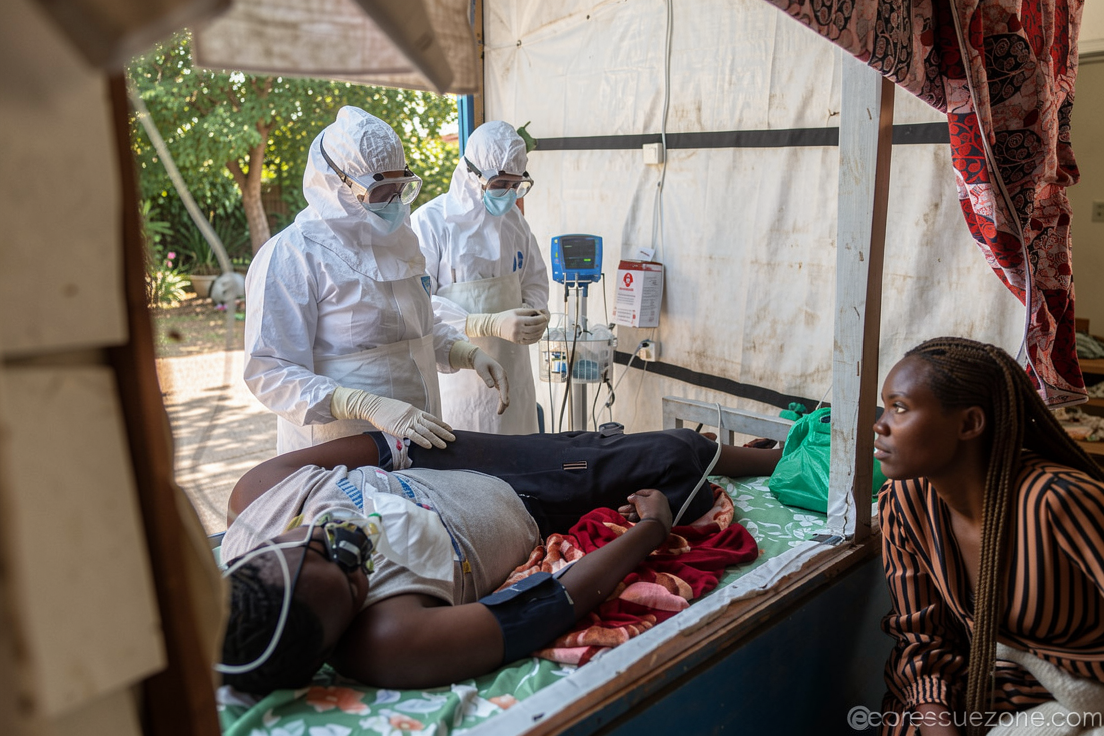
Ecorescuezone.com – BUNIA, Congo — The devastating Ebola outbreak in eastern Congo has claimed a staggering number of lives, with health officials confirming that at least 930 people have succumbed to the deadly virus. According to the country’s Ministry of Health, this grim milestone was reached on Monday following the reporting of 37 new fatalities within a single 24-hour period from Friday into Saturday. This surge represents one of the highest daily death counts recorded since the outbreak began, signaling an alarming acceleration in the spread of the disease across the region.
Understanding the Outbreak’s Scale and Impact
The current death toll of at least 930 people has emerged from a total of 2,344 confirmed cases as of Saturday, according to the health ministry’s comprehensive tracking efforts. What makes this situation particularly concerning is that the outbreak, officially declared on May 15 in eastern Congo, has become the fastest-growing Ebola epidemic in recorded history. The specific strain responsible for this crisis is the Bundibugyo virus, which is notably less common than other Ebola-causing variants. Compounding the challenge, there currently exists no approved vaccine or specific treatment protocol for this particular strain, leaving health workers to rely on supportive care measures.
The transmission dynamics of Ebola make containment particularly difficult in this region. The virus is highly contagious and can be transmitted to humans through contact with wild animals, after which it spreads rapidly within human populations through direct contact with bodily fluids including vomit, blood, and semen. Contaminated surfaces and materials such as bedding and clothing also serve as vectors for the disease. While Ebola remains relatively rare globally, its severity and high fatality rate make it one of the most feared infectious diseases.
Geographic and security factors have significantly complicated the response effort. The worst-affected province of Ituri has seen safety concerns restrict movement and operations, while a total of five provinces across the eastern region have been impacted. This eastern corridor, where rebel violence remains rampant, presents unique challenges for health workers attempting to reach affected communities and establish containment zones.
“Patient care and support capacities are consolidating, with 22 new recoveries recorded in 24 hours,” the Health Ministry stated in its latest update, offering a glimmer of hope amid the growing crisis.
Community resistance and logistical challenges have further hampered containment efforts. Authorities reported that at least 12 attacks—predominantly driven by skepticism and misinformation—have targeted health facilities and response teams since the outbreak was declared in mid-May. Simultaneously, many health workers have abandoned their posts in protest over inadequate payment, creating a dual crisis of community trust and workforce stability.
The human cost among healthcare providers has been particularly severe. At least 36 health workers who contracted the virus have died while treating patients, representing a significant loss of experienced personnel during this critical period. Their sacrifice underscores the dedication required to combat this outbreak in one of the world’s most challenging environments.
International concern has grown as the World Health Organization expressed alarm last week that approximately 80% of new Ebola cases were emerging from unknown chains of transmission. This statistic indicates that the outbreak is spreading more rapidly than health officials can effectively track, despite an expanding response infrastructure and increased international support.
In response to these challenges, Congo’s Health Ministry has announced intensified efforts in the most affected health zones. The ministry reported that 724 patients are currently receiving treatment in isolation facilities and hospitals across the region. As recovery efforts continue to strengthen, officials remain focused on breaking transmission chains and protecting vulnerable communities from further spread of this devastating disease.