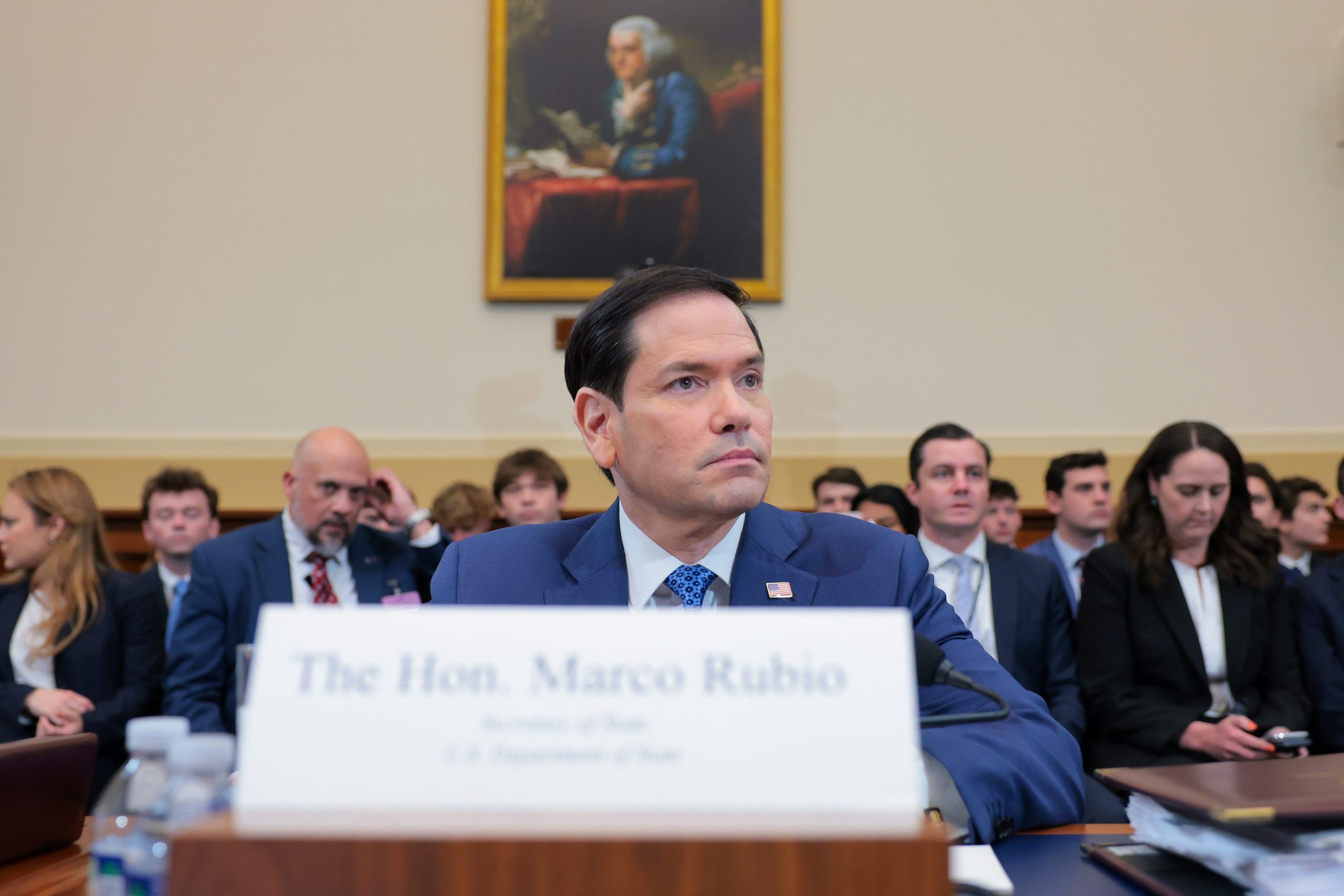
DHS defends investigating agency critics and giving them warning notices

Daftar Isi
Federal Government Defends Right to Investigate Critics Who Send Critical Emails to Agency Leaders
Ecorescuezone.com – In a filing that has drawn sharp criticism from free-speech advocates, the Department of Homeland Security has told a federal court that sending agents to a citizen’s doorstep to deliver a formal warning notice after that citizen wrote a critical email to an agency boss is a legitimate exercise of investigative authority. The position, laid out in court documents earlier this month, effectively asks a judge to dismiss a First Amendment lawsuit brought by a Rochester, New York, resident who says the government’s response to his January email chilled his willingness to speak out.
The Email That Triggered a Federal Investigation
David Streever, a New York man, sent an email in January to Todd Lyons, then serving as acting director of U.S. Immigration and Customs Enforcement. The message, which carried the subject line “What’s next,” was composed in the aftermath of a shooting in Minneapolis in which federal immigration officers killed two American citizens who had been observing an operation. In the email, Streever called Lyons a “monstrous human being” and drew a comparison between the ICE leader and Reinhard Heydrich, the senior Nazi official widely regarded as one of the architects of the Holocaust.
“The way you are protecting the obvious execution in Minnesota, even as we see the videos, will lead to your downfall. Even Trump will turn on you before the end, and you will be a sad, despised man who eats himself alive with shame at your own pathetic weakness.”
“You will never know peace. You will seek to lose yourself, to escape the burden of knowing the truth about yourself. But wherever you go, you will find yourself. You will torment yourself until your last day on Earth.”
Streever had no prior relationship with ICE and was not known to the agency before sending the message. According to a court declaration filed by Brent Goodwin, ICE’s assistant director for investigations within the Office of Professional Responsibility, the email was forwarded to his office because it contained “potential threatening undertones to ICE personnel, potentially presenting a safety concern.” Goodwin wrote that the office had no prior information about Streever and therefore “decided that it needed to conduct an ICE investigation.”
Agents at the Door, a Warning Notice for the Wife
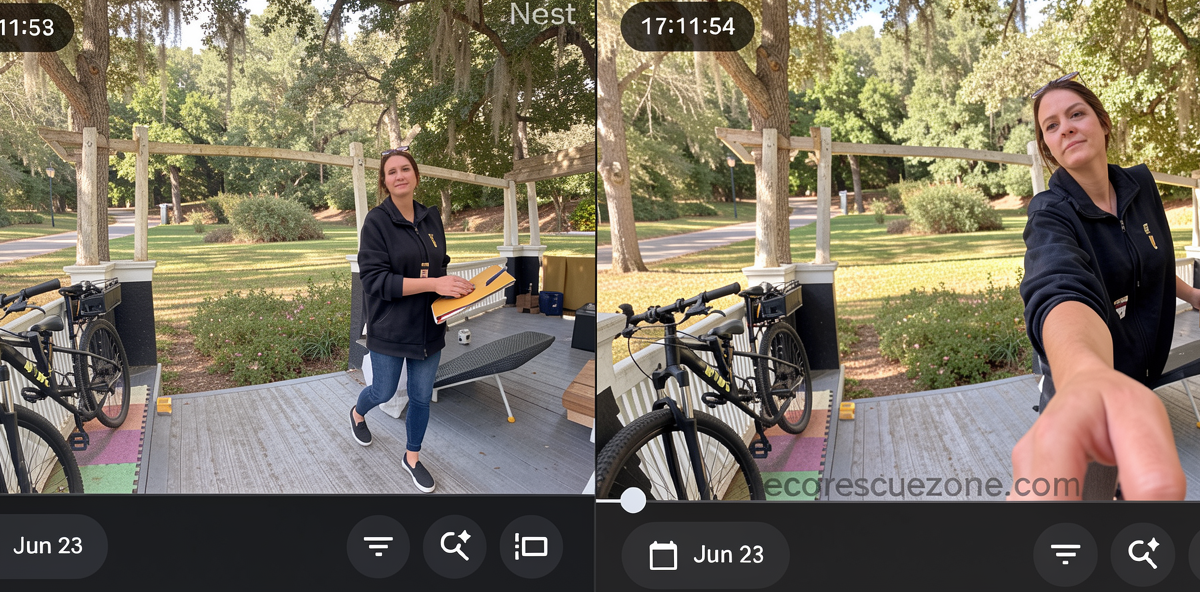
On June 23, two ICE special agents traveled from Jersey City, New Jersey, to Rochester to visit Streever at his home. They also sought him out at an airport and at a hotel, according to court filings. At the residence, the agents left his wife with a printed form instructing Streever to sign and return it. The notice declared in capital letters: “YOU MAY BE IN VIOLATION OF FEDERAL LAW,” and enumerated federal statutes making it a crime to threaten government officials.
“Receipt of this Notice will be taken into consideration, should you continue to be involved in any criminal activities described above.”
The investigation into Streever was closed at the end of June, the same filings acknowledge. No charges were filed, and no further contact was made after the agents departed.
A First Amendment Lawsuit and the Government’s Response
Streever subsequently filed suit against DHS and ICE officials, arguing that the agents’ visits and the warning notice caused him to censor his own speech and violated his constitutional rights. His legal team, representing him through the Foundation for Individual Rights and Expression (FIRE), a nonprofit free-speech organization, has asked a federal judge to enjoin DHS and its partners from taking any further action intended to intimidate or retaliate against Streever for his protected expression, and to bar any future enforcement tied to the warning notice.
The federal government has moved to dismiss the case. Attorneys from the U.S. Attorney’s office in Washington, D.C., argued in a brief that granting the relief Streever seeks “would unnecessarily inhibit the Government’s investigatory prerogative.” They pointed to a rising tide of threats directed at public officials as justification for maintaining the ability to conduct face-to-face checks on citizens who communicate with agency leadership.
“In-person investigatory visits from law enforcement—accompanied by prophylactic warnings about federal law—are a critical tool in the investigative and preventative process, and they do not violate the First Amendment.”
“They Effectively Concede This Is Protected Political Speech”
What makes the government’s position particularly striking, according to Streever’s counsel, is what the filing does not say. The brief never argued that the January email constituted an actual threat of violence subject to prosecution. It did not identify any additional communication by Streever beyond that single email. In other words, the government did not attempt to recharacterize the message as unprotected speech.
Adam Steinbaugh, a FIRE attorney handling the case, pointed to that silence in court. “They didn’t even come back and try to say, ‘Well, if you look at it in the right light, this could be a threat of violence that is not protected by the First Amendment,'” he said. “They effectively concede that this is protected political speech. And I think that should send alarm bells ringing, because now you have the government saying, ‘Yeah, we acknowledge this is protected political speech, but it’s critical that we issue warning notices about this.'” Steinbaugh described the government’s posture as “alien” to the First Amendment.
Why the Case Matters Beyond One Email
The dispute sits at the intersection of two long-standing questions in American constitutional law: how far the government may go in investigating citizens who criticize its own agencies, and whether a formal warning notice delivered to a citizen’s household constitutes a form of retaliation that chills protected expression. Courts have generally held that the government may investigate threats to officials, but the line between a genuine threat assessment and a punitive response to political criticism has rarely been tested in this precise configuration.
Streever’s situation raises the question of whether a citizen who writes a harsh but non-threatening email to a federal agency head can expect agents to appear at his home, his airport terminal, and his hotel room, leaving a signed form behind that warns his continued speech may be “taken into consideration” in future criminal proceedings. For free-speech advocates, the answer is no: the First Amendment exists precisely to protect the kind of vitriolic, personal criticism that Streever directed at Lyons, and a government that concedes the speech is protected while simultaneously insisting on the right to investigate and warn its author has, in their view, turned the amendment into a formality.
The case remains pending before a federal judge, who will decide whether the government’s investigatory interest outweighs Streever’s claim that the visits and the notice functioned as a retaliatory signal meant to deter further criticism of ICE leadership.
Related Reading
Frequently Asked Questions
What is DHS defends investigating agency critics and giving?
DHS defends investigating agency critics and giving is the main topic of this guide. The article explains the context, practical details, and next steps readers should understand.
Why does DHS defends investigating agency critics and giving matter?
DHS defends investigating agency critics and giving matters because readers are looking for a useful answer, not just a short summary. Good content should match search intent and help them decide what to do next.