From Europe to Asia, floods to heatwaves, world experiences weather shocks

Daftar Isi
Global Weather Extremes: From Japanese Deluges to European Scorch
Ecorescuezone.com – Across continents, communities are grappling with unprecedented meteorological disruptions that are testing infrastructure and daily life. While Japan battles catastrophic flooding that has claimed lives and disrupted travel, Europe endures its most prolonged heatwave in recent memory, affecting hundreds of millions of residents. These simultaneous crises highlight accelerating climate patterns that are reshaping how nations prepare for extreme weather events.
Japan’s Record-Breaking Downpour
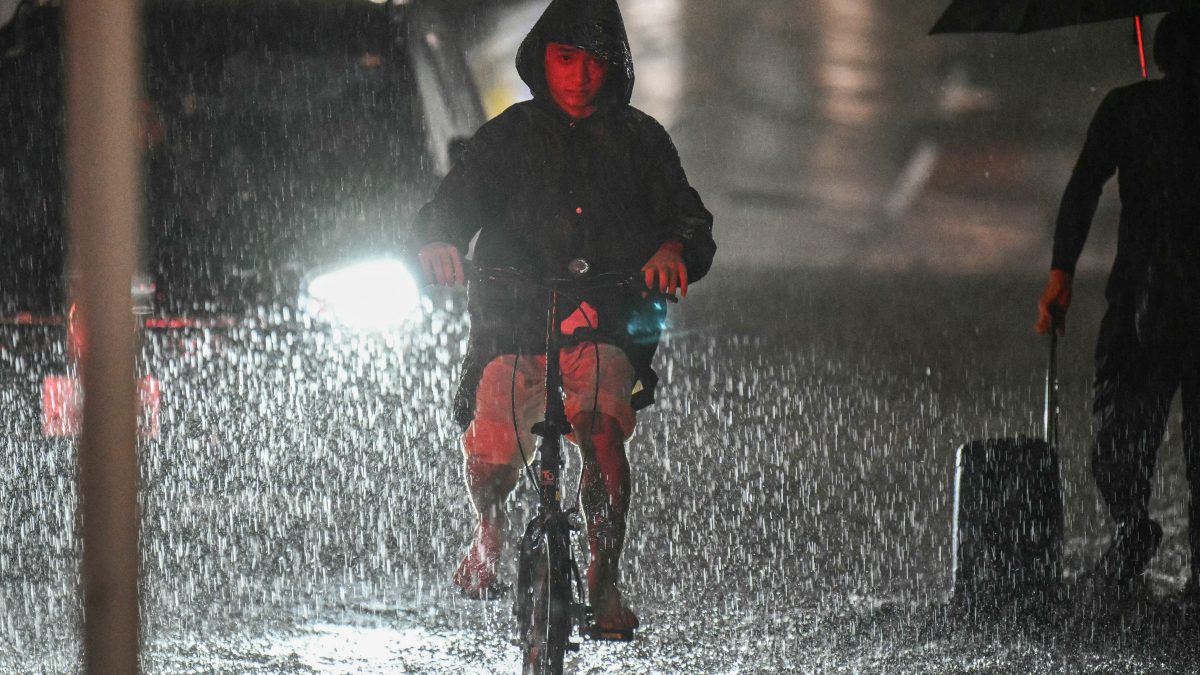
Heavy rainfall outside Tokyo has triggered widespread inundation, resulting in at least eight fatalities according to local media reports. The deluge struck during a critical period for transportation, coinciding with peak holiday travel when millions move between cities. Chiba prefecture experienced particularly severe conditions, receiving triple its typical August rainfall within just twelve hours, as documented by Japan’s meteorological agency.
Emergency officials issued evacuation directives for over one hundred thousand people across affected areas. Approximately forty percent of municipalities in the region experienced flooding, while more than twenty thousand homes lost electrical service. Many casualties were discovered trapped inside vehicles submerged on flooded roadways, according to Kyodo News. Transportation networks ground to a halt as trains and highways closed, leaving thousands of passengers stranded at Narita International Airport, Tokyo’s primary gateway.
The timing of these floods proved particularly inconvenient, as Japan celebrates Obon, a traditional festival where families return to ancestral homes, participate in community celebrations, and prepare seasonal dishes. The convergence of natural disaster and cultural observance has created compounding challenges for recovery efforts.
Europe’s Fifth Summer Heatwave
Intense temperatures across Europe are currently impacting roughly three hundred million individuals, representing more than half the continent’s population. Authorities indicate this marks the fifth heatwave of the season, and it is extending beyond the duration of the devastating 2003 event that claimed tens of thousands of lives, predominantly among elderly populations.
Europe is experiencing warming at twice the rate of other continents, driven by atmospheric and oceanic circulation patterns combined with its proximity to the Arctic. Melting glaciers in the region expose darker land surfaces that absorb solar radiation rather than reflecting it, creating a feedback loop that accelerates temperature increases.
In France, Italy, and Spain, approximately ninety-two million people are enduring temperatures above ninety-five degrees Fahrenheit in urban centers where air conditioning remains uncommon. This heat surge arrives merely a week after those same nations confronted some of their most severe wildfires in recorded history.
Nuclear and Water Infrastructure Under Strain
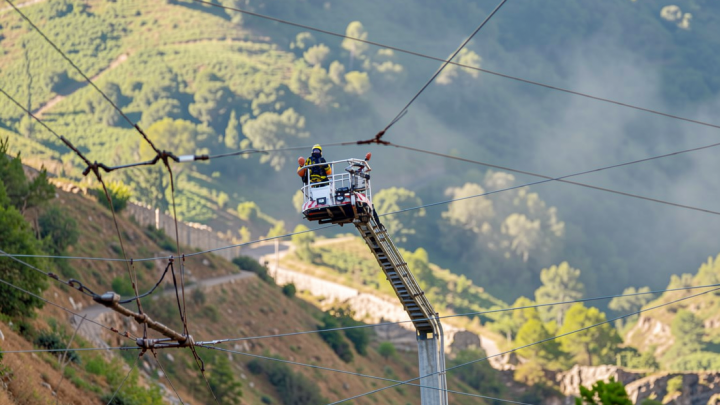
The extreme heat and accompanying drought have created cascading effects across European infrastructure. Nearly seventy percent of France now faces water restrictions, with officials describing the situation as both historic and critical. The drought is impacting river systems and reducing the cooling capacity available to nuclear facilities.
Romania initiated the shutdown of its second nuclear reactor at the Cernavoda plant on Thursday after declining water levels in the Danube River compromised cooling operations. Hungary’s government, led by Prime Minister Peter Magyar, announced ongoing efforts to develop comprehensive solutions for disruptions to the country’s nuclear power generation caused by low Danube water levels.
Meanwhile, the receding waters of Rome’s Tiber River have revealed archaeological treasures, including the remains of Nero’s Bridge, which historically connected the ancient city center with the riverbanks, as documented by The Associated Press.
British Communities Face Multiple Crises
Firefighters in the West Midlands destroyed homes and forced dozens of residents to evacuate as blazes spread through the region. A child and three emergency responders among those hospitalized, according to BBC reporting. Southern England experienced temperatures reaching one hundred degrees on Thursday, prompting responses to an unusual wildfire in the New Forest, where typically verdant pastures have transformed into brown, dry landscapes.
British Prime Minister Andy Burnham expressed concern over the widespread impact, stating it was awful to see homes and communities hit by fires across the country. Drought conditions have been officially declared across three-quarters of England and throughout Wales, where heat health warnings remain active nationwide.
Water utilities have issued warnings that supplies could deplete within six weeks, urging residents to conserve by avoiding car washing, reducing sprinkler use, and even repurposing cooking water for gardens. July already stands as the hottest month ever recorded in the United Kingdom, and the national weather agency projects 2026 will become the hottest year on record.
Personal Adaptations to Extreme Heat
Residents are developing strategies to cope with conditions that exceed normal comfort thresholds. Paris resident Clara Martin shared her approach: “I always take the sidewalk in the shade and avoid the sun as much as possible.” Like most Parisians, she lacks air conditioning and relies on closed shutters and fans to maintain livable indoor temperatures.
In Croatia, coastal town Omis saw firefighters battling a significant blaze overnight, with fourteen people requiring hospitalization, as confirmed by Prime Minister Andrej Plenkovic.
These concurrent weather emergencies across Asia and Europe demonstrate how interconnected global climate systems are becoming, requiring coordinated responses from governments, infrastructure operators, and citizens alike as extreme events grow more frequent and severe.
Contributing to this coverage were Anthony Kuhn in Seoul, Eleanor Beardsley in Paris, and Lauren Frayer in London.
Related Reading
Frequently Asked Questions
What is From Europe to Asia floods to heatwaves?
From Europe to Asia floods to heatwaves is the main topic of this guide. The article explains the context, practical details, and next steps readers should understand.
Why does From Europe to Asia floods to heatwaves matter?
From Europe to Asia floods to heatwaves matters because readers are looking for a useful answer, not just a short summary. Good content should match search intent and help them decide what to do next.