Gene Shalit, Celebrated ‘Today’ Show Critic, Passes at 100
Gene Shalit longtime Today show movie – Gene Shalit, a prominent figure in television and print journalism, has passed away at the age of 100. Known for his distinctive presence on the “Today” show and his sharp wit, Shalit’s career spanned over four decades, leaving an indelible mark on the world of film criticism. His family announced his death to NBC News, noting that he “passed away peacefully today after 100 years of an amazing life.” This statement captures the essence of a man who lived with vigor and humor, even as he navigated the ever-changing landscape of media.
Early Career and Transition to Television
Shalit’s journey in the world of arts and entertainment began with his work as an entertainment columnist for McCall’s magazine. His influence grew rapidly, leading to a senior film critic role at Look magazine in 1968 and contributions to Ladies’ Home Journal. The transition to television came in 1970 when he joined “Today” as a contributor, eventually becoming its arts editor in 1973. His segment, “Critic’s Corner,” became a staple, blending erudition with charm. By 2010, when he left the show, he was one of the last major network critics to maintain a high-profile presence on air.
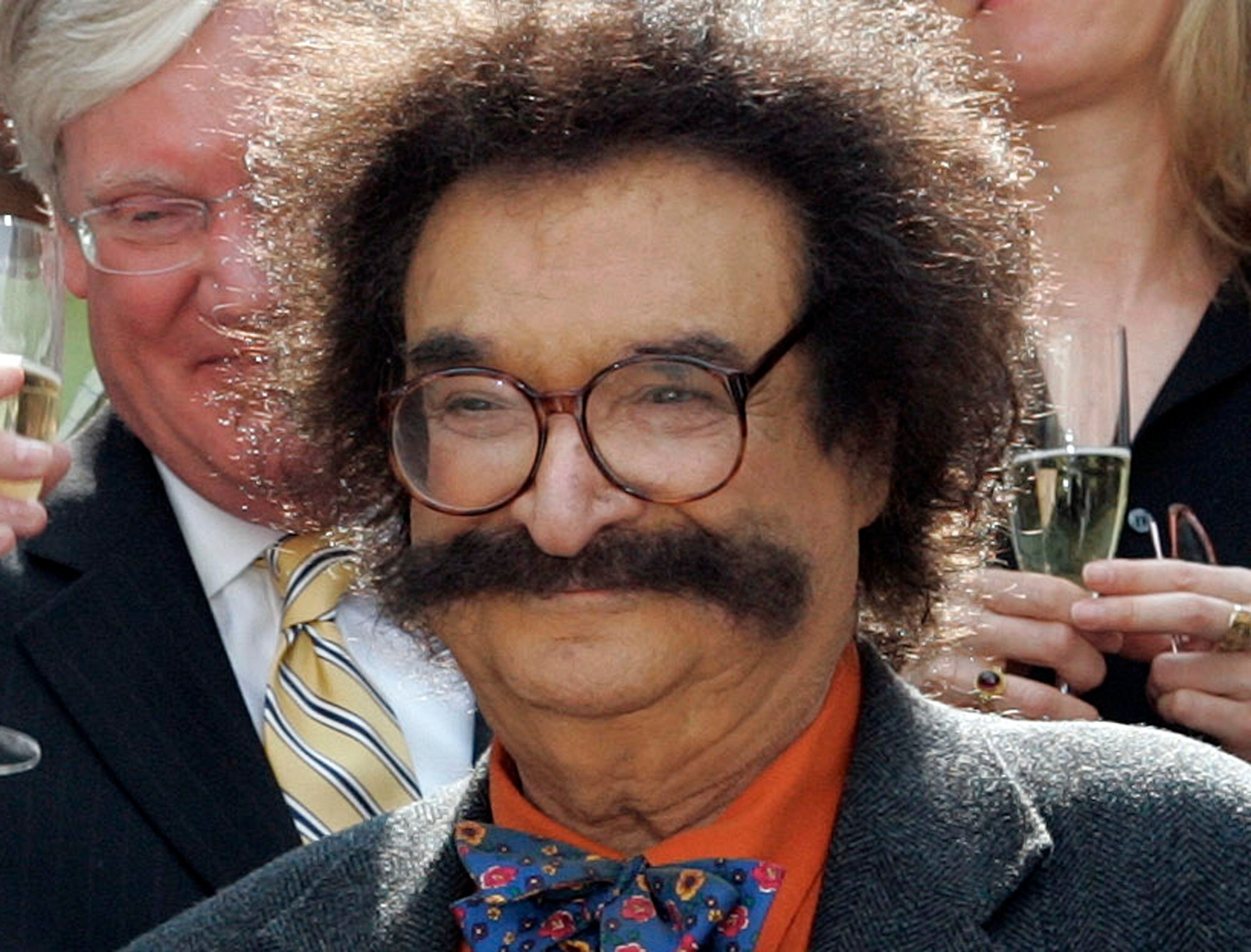
His unique style was not only reflected in his sharp reviews but also in his unmistakable appearance. With a signature puffy hairdo and oversized handlebar mustache, Shalit’s visual presence was as memorable as his words. Colleagues and fans alike noted that his looks were as much a part of his identity as his critiques, which often included a dash of puns that delighted audiences. This combination of style and substance made him a beloved figure in media.
A Legacy of Insight and Humor
Shalit’s influence extended beyond his role on “Today.” His work helped redefine the power dynamics of film criticism in America. When he first joined the show, newspapers and magazines were the primary sources for movie reviews. Shalit’s approach, however, brought a new dimension to the medium. His ability to translate complex cinematic analysis into accessible commentary for a broader audience was groundbreaking. As The Plain Dealer noted in 2010, he was “Daniel Boone in a bow tie and Groucho glasses,” a whimsical metaphor that encapsulated his blend of rugged intellect and playful personality.
His reputation as a thought leader was further cemented by his collaborations with other notable critics. The rise of Roger Ebert and Gene Siskel’s “Sneak Previews” on PBS in the late 1970s, and the hiring of Joel Siegel by “Good Morning America” in 1981, were both linked to Shalit’s trailblazing work. These developments highlighted his role in shifting the balance of critical power, making television a vital platform for film discourse. His legacy, therefore, is not just in his reviews but in the cultural impact he had on how audiences engaged with movies.
Quirky Reviews and Unconventional Style
Shalit’s reviews were often as entertaining as the films themselves. When discussing 1986’s “Stand By Me,” he remarked that it stood apart from other youth-centric movies because it “engrossed” rather than “grossed” the viewer. This clever twist on the phrase became a hallmark of his approach, blending humor with insightful analysis. Similarly, his review of “Frozen” was described as “very cool,” a testament to his ability to capture the essence of a film in a concise and memorable way.
His wit extended to even the most peculiar titles. For “The Men Who Stare at Goats,” he quipped that the odd name “was heard to bleat,” a playful take on the film’s eccentric premise. Shalit’s review of “The Lovely Bones” included the line, “There’s no bones about it,” a phrase that perfectly captured the film’s emotional depth while maintaining his trademark humor. His language was often imaginative, creating a style that was both engaging and unique.
Shalit’s versatility was evident in his ability to adapt his critiques to different genres and formats. He praised “Defiance,” starring Daniel Craig and Jude Law, as a “vivid dramatization of one of history’s titanic turning points,” while calling “Brokeback Mountain” “wildly overpraised, but not by me.” This remark, though seemingly lighthearted, drew criticism from GLAAD for labeling Jake Gyllenhaal’s character, Jack, as a “sexual predator.” Despite this, Shalit’s apologetic response demonstrated his commitment to thoughtful, if occasionally provocative, commentary.
Collaborations and Controversies
Shalit’s presence on “Today” was not only a reflection of his intellectual prowess but also his ability to connect with diverse personalities. During a 1981 interview with John Belushi and Dan Aykroyd, Belushi humorously remarked that Shalit’s hair looked like “an ant farm on fire.” Yet, the conversation was far from superficial. Shalit peppered his guests with in-depth questions about their daily lives, creating an atmosphere akin to therapy. One memorable exchange involved asking Belushi, “What do you want to be doing 10 years from now?” Belushi’s reply—”‘Fiddler on the Roof'”—revealed the depth of their rapport.
His interactions with fellow anchors were equally notable. Shalit engaged in banter with personalities ranging from Edwin Newman and Barbara Walters to Tom Brokaw and Meredith Vieira. Even those who occasionally critiqued his work, like Bryant Gumbel, acknowledged his impact. Gumbel once noted that Shalit’s reviews were “often late and his interviews aren’t very good,” though this was delivered in a confidential memo to Marty Ryan, the show’s executive producer. Such critiques, while pointed, underscored the dynamic nature of his career and the respect he commanded.
Shalit’s career reached a peak with his coverage of major films and his ability to articulate their significance. For instance, his take on Steven Spielberg’s adaptation of Alice Walker’s “The Color Purple” was a rallying cry: “It should be against the law not to see it.” This line exemplifies his passion for cinema and his ability to inspire viewers. His final years saw him reflecting on his journey, as seen in his remarks about “Shrek Forever After,” where he noted that the “bellow fellow is now a mellow fellow,” a nod to the character’s transformation and the show’s own evolution.
Throughout his career, Shalit’s ability to balance professionalism with personality set him apart. His early days at NBC were marked by a memorable moment when he walked into an executive’s office with his signature look. The executive, initially surprised by his appearance, humorously suggested he might consider radio, recognizing the novelty of his presence. This anecdote highlights the unique path that brought Shalit to television, where his unorthodox style became a point of fascination and admiration.
Shalit’s work continues to be remembered for its blend of humor, intelligence, and accessibility. His critiques of films like “Patton” and “Love Story” set the tone for his career, while his later reviews of “Shrek Forever After” and others showcased his enduring relevance. Even in his later years, his presence was a reminder of the power of words and the importance of individual voice in a crowded media landscape. Gene Shalit’s legacy lives on, not only in the films he reviewed but in the way he reshaped the public’s relationship with cinema through his unique style and wit.