Trump Announces U.S. Military Action Against Tren de Aragua Gang Leader
Trump says U S military strike – On Friday, President Donald Trump claimed that a U.S. military strike had successfully eliminated Hector Rusthenford Guerrero Flores, the gang’s leader. The operation, described as “swift and lethal kinetic,” targeted a compound in Venezuela where the group is believed to have been operating. Trump emphasized the significance of the action, stating, “Tren de Aragua terrorists no longer have safe haven in Venezuela or anywhere else and, under my leadership, we will find these vicious murderers and drug lords anytime, anyplace, and send them to the depths of hell where they belong.”
Tren de Aragua Designated as Terrorist Group
The U.S. government has classified Tren de Aragua as a terrorist organization, citing its involvement in violence, extortion, and drug trafficking across multiple regions. Hector Rusthenford Guerrero Flores, known by the alias “Niño Guerrero,” was previously charged in a New York federal court with racketeering conspiracy and other offenses. These charges, announced in December, alleged that he had supported terrorist activities for over a decade, contributing to a wave of criminal incidents spanning North America, South America, and Europe.
Defense Secretary Pete Hegseth confirmed the strike took place earlier in the week, targeting the gang’s stronghold in Venezuela. The operation was conducted with precision, according to Hegseth, who noted its alignment with the shared goals of the United States and Venezuela to combat narco-terrorists. “The operation underscores the shared U.S. and Venezuelan commitment to take the fight to narco-terrorists and deny them any safe haven in our hemisphere,” he added.
Background on Tren de Aragua’s Origins
Tren de Aragua traces its roots to a prison in Venezuela’s central Aragua state, a facility notorious for its lawlessness. The gang emerged more than a decade ago when hardened criminals seized control of the institution, exploiting the government’s neglect during a period of economic turmoil. As corruption, mismanagement, and plummeting oil prices destabilized Venezuela, the prison became a breeding ground for organized crime. This environment allowed the gang to grow into a powerful entity, with Guerrero Flores rising to prominence through his leadership and ruthless tactics.
The group’s expansion has been fueled by the mass migration of Venezuelans seeking better opportunities abroad. Countries such as Peru and Colombia have reported a surge in violence linked to Tren de Aragua, with the gang allegedly orchestrating attacks in Latin American nations and the United States. Despite its reach, the organization has not been heavily involved in smuggling cocaine across international borders, according to InSight Crime, a Latin American crime research think tank.
Political Context and U.S. Strategy
Trump’s administration has pursued a multifaceted strategy against Tren de Aragua, including aerial and maritime operations. In addition to the recent strike, the U.S. has targeted small boats suspected of transporting drugs from Venezuela to the U.S. These efforts have resulted in at least 207 casualties in the eastern Pacific Ocean and Caribbean Sea since early September. The military actions reflect Trump’s broader agenda to combat immigration and crime, a priority he consistently highlighted during his campaign.
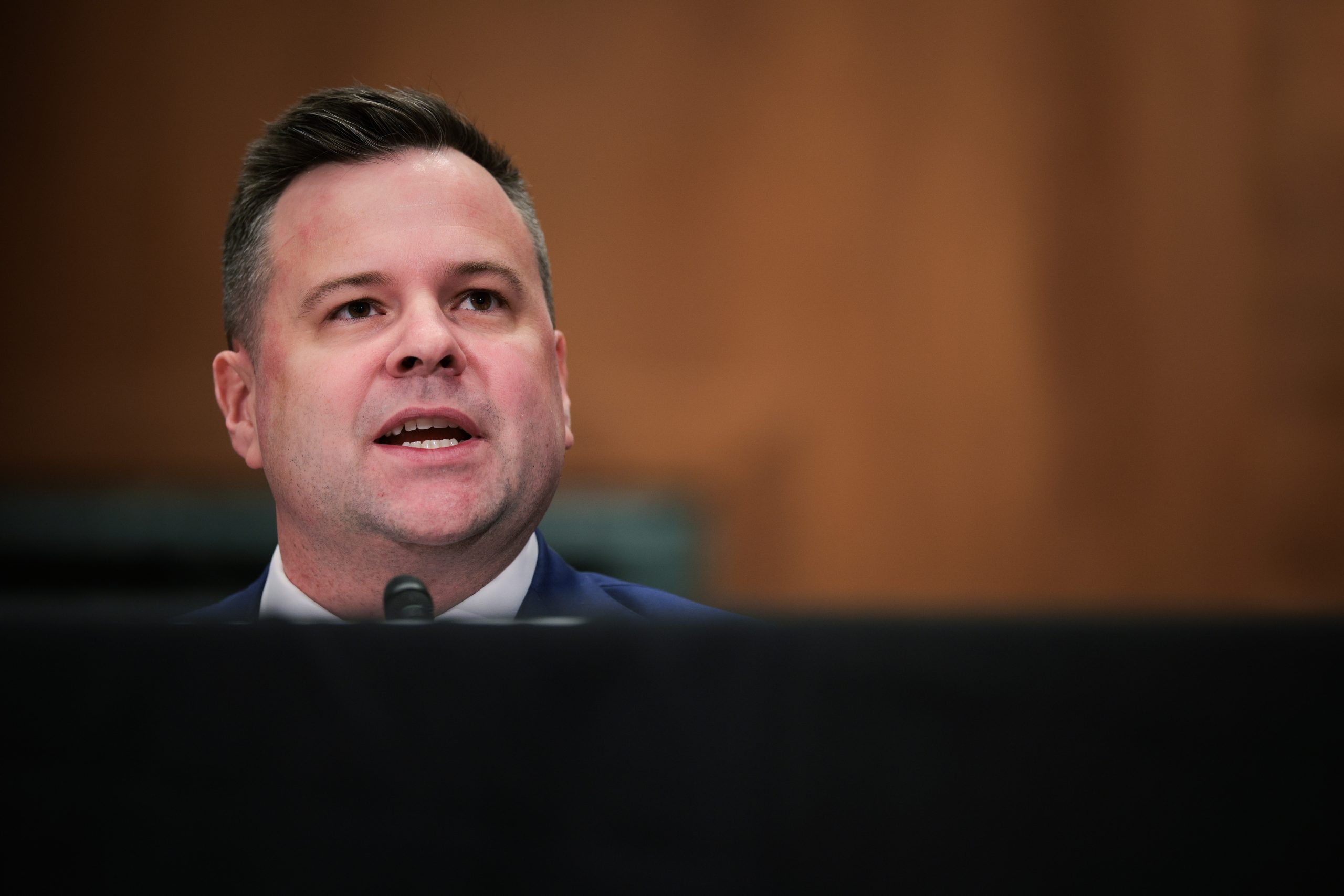
While the administration’s economic policies have drawn criticism, immigration remains a cornerstone of Trump’s political platform. His claims about Tren de Aragua’s role in U.S. crime have been reinforced by the appointment of Jay Clayton as director of national intelligence. Clayton, who was nominated by Trump on Thursday, has previously stated that the gang is responsible for countless acts of violence, extortion, and drug trafficking. This aligns with the administration’s narrative that Tren de Aragua operates under the control of Venezuelan President Nicolás Maduro, a claim contradicted by a declassified U.S. intelligence report.
Maduro’s government was recently implicated in the U.S. drug trafficking network, with the administration accusing him of enabling illicit activities. In January, Maduro was taken to the U.S. to face drug-related charges, a move that has been interpreted as part of a larger effort to dismantle the gang’s influence. Trump’s political opponents have criticized this approach, arguing that the focus on Tren de Aragua may overshadow broader issues of crime and migration.
Operational Details and Evidence
The strike on Tren de Aragua was accompanied by the release of unclassified video footage. Captured from above, the footage showed a small building with a green roof detonating, providing visual confirmation of the operation’s success. This media component was included in Trump’s social media post, which framed the action as a decisive blow to the gang’s operations. The post underscored the U.S. military’s capability to act decisively, even in distant regions.
Venezuela’s Ministry of Communications has yet to comment on the strike, though the government has historically maintained a close relationship with Tren de Aragua. Officials have long acknowledged the gang’s role in gold mining and other illicit industries within Venezuela, highlighting its entrenched presence in the country’s criminal ecosystem. Despite this, the U.S. has framed its actions as a necessary measure to eliminate threats to national security.
The gang’s activities in Venezuela have included violence and extortion, with leaders like Guerrero Flores leveraging their power to control resources and populations. The prison in Aragua, where the gang originated, became a symbol of its early dominance, as inmates were subjected to forced labor and financial exploitation. Guerrero Flores, in particular, was known for his lavish lifestyle, including a private suite within the facility, which reflects the group’s hierarchical structure and ability to maintain internal stability.
Impact of the Strike
The elimination of Guerrero Flores has sent shockwaves through the gang’s operations, potentially disrupting its leadership and reducing its capacity for large-scale violence. However, the group’s reach extends beyond Venezuela, with its influence felt in countries hosting Venezuelan migrants. The U.S. State Department had previously offered a $5 million reward for information leading to Guerrero Flores’ arrest, underscoring the significance of his capture.
While the strike marks a critical victory, challenges remain. Tren de Aragua’s decentralized structure means its leaders may continue to operate from hidden bases, even without Guerrero Flores. The gang’s ability to adapt and evolve, fueled by the migration crisis, highlights the complexity of the issue. Trump’s administration has framed its actions as a proactive response to these threats, aiming to create a safer environment for American citizens and reduce the flow of drugs into the country.
The operation also reflects a strategic shift in U.S. relations with Venezuela. Despite the country’s political instability, the collaboration between the two nations has intensified in recent months. This partnership has been driven by shared interests in combating criminal networks and securing borders. However, the effectiveness of these efforts will depend on sustained cooperation and the ability to dismantle the gang’s financial and logistical infrastructure.
As the U.S. continues its campaign against Tren de Aragua, the broader implications of the strike are being debated. While Trump’s actions are seen as a bold move to assert control over the gang’s operations, critics argue that the focus on specific targets may not address the root causes of the group’s growth. The outcome of this operation could influence future strategies in the fight against transnational criminal organizations, shaping the U.S. approach to regional security in the years to come.