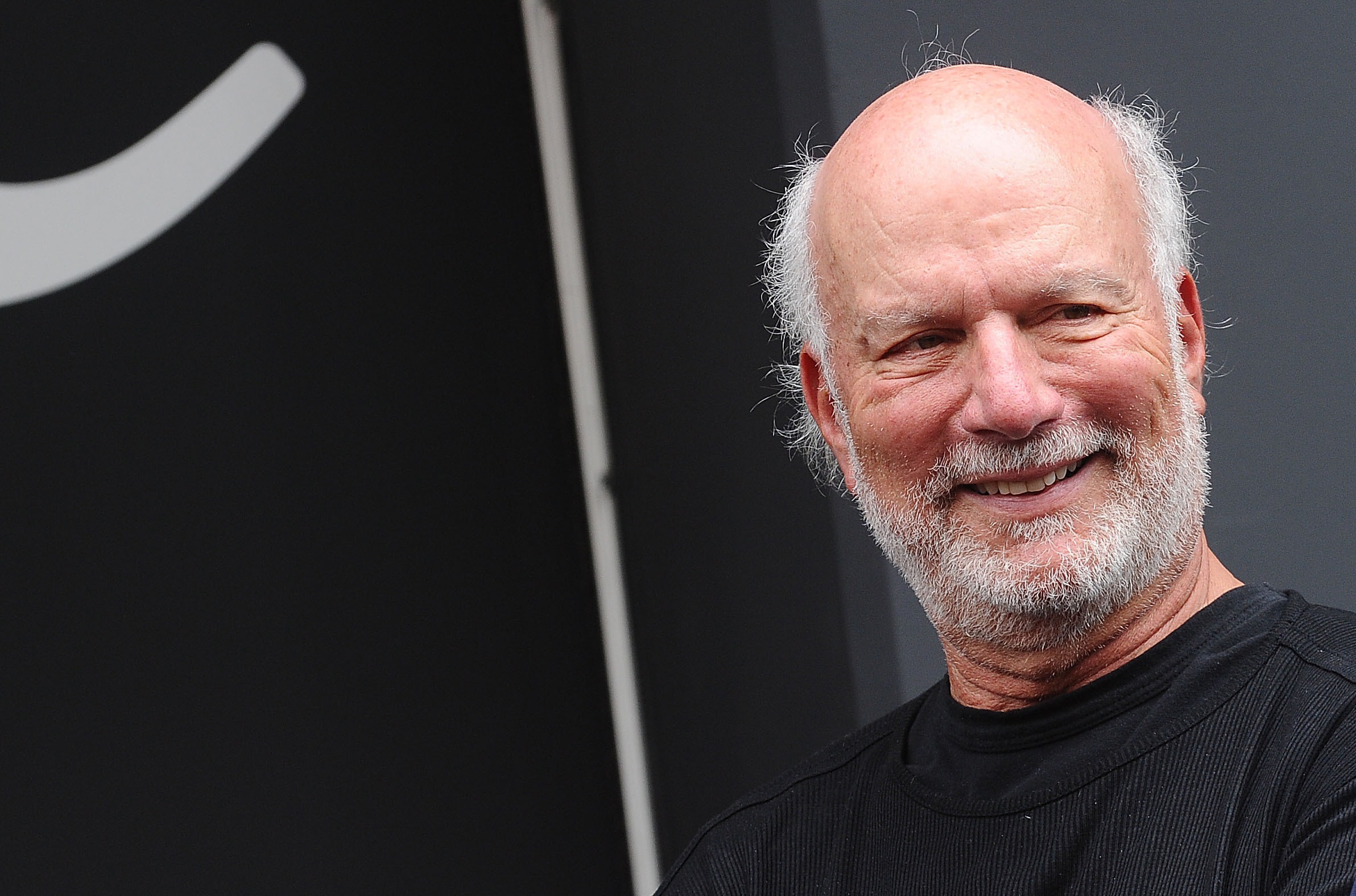
James Burrows, Visionary Director of Iconic Comedies ‘Cheers’ and ‘Friends,’ Passes Away at 85
James Burrows director of classic shows – LOS ANGELES — James Burrows, the legendary director behind some of television’s most enduring sitcoms, including “Cheers,” “Taxi,” “Friends,” and “Will and Grace,” has died at the age of 85. His family announced the news in a statement to People, sharing that he “passed away peacefully today surrounded by his loved ones.” While the exact cause and location of his death were not disclosed, the message underscored his legacy as a man whose work and spirit left an indelible mark on the entertainment industry.
Behind the Camera: A Legacy of Laughter
Throughout his career, Burrows became a master of crafting humor that resonated with audiences for decades. Though many viewers might not recall his name beyond the opening credits, they would recognize the seamless blend of wit and warmth that defined his direction. His ability to elevate scripts and performances into cohesive, unforgettable moments earned him a reputation as one of television’s most influential figures. From the barroom banter of “Cheers” to the heartfelt camaraderie of “Friends,” Burrows’ touch was evident in every scene.
“When I direct a television show, I try to reach that sweet spot where the best script meets the best performance and the best chemistry between performers,” Burrows wrote in his 2022 memoir, “Directed by James Burrows.” “Hitting that exact moment, where these factors land in combination, results in the sweetest and most enduring laugh.”
His family elaborated on the essence of his craft in a heartfelt tribute, stating, “Burrows understood that great comedy was never simply about laughter. It was about humanity, connection, and truth. That understanding became the foundation of a career that forever changed television.” They added, “Beyond his remarkable achievements, Burrows will be remembered for something even greater: his kindness, generosity, and unwavering belief in the people around him. He possessed a rare ability to make everyone better and was known for remembering every person he met by name, making colleagues at every level feel seen, valued, and appreciated.”
Early Life and Education: Foundations of a Future Maestro
James Edward Burrows was born on December 30, 1940, in Los Angeles, California. At the age of five, he relocated to New York City, where his formative years were shaped by the city’s vibrant cultural landscape. For five years, he sang in the Metropolitan Opera Children’s Chorus, a period that nurtured his early appreciation for the arts. His passion for performance led him to attend LaGuardia High School of Music & Art, where he honed his skills in theater and performance.
His father, Abe Burrows, a renowned writer, director, and producer, played a pivotal role in shaping his creative path. Abe’s Broadway triumphs, such as “Guys and Dolls” and “Can-Can,” exposed James to the world of storytelling and stagecraft. The elder Burrows also mentored Larry Gelbart, the future creator of the iconic TV show “MASH,” instilling in James a deep respect for the craft. Growing up in this environment, James absorbed the nuances of comedy and the power of human connection, which would later define his work.
Career Beginnings: A Late Start with Early Influence
While Burrows began his career relatively late, at 35 in 1974, his dedication to the craft was unwavering. He first gained experience directing episodes of “The Mary Tyler Moore Show,” “The Bob Newhart Show,” and “Laverne & Shirley,” serving as a mentor to emerging talent. His first major breakthrough came when he co-created “Cheers,” a groundbreaking series that became a cultural phenomenon. He directed 243 of the 273 episodes, shaping the show’s iconic dynamic between friends and colleagues.
Additionally, Burrows helmed all 246 episodes of “Will and Grace,” a series that redefined sitcom storytelling through its sharp dialogue and emotional depth. He also contributed to the success of other hit shows, including “Frasier,” “Mike & Molly,” and the pilots for “Two and a Half Men” and “The Big Bang Theory.” His versatility and insight made him a sought-after director in the industry, bridging the gap between stage and screen with a unique vision.
Directorial Innovations: Shaping the Modern Sitcom
Burrows’ career was marked by a commitment to innovation, particularly in the realm of multi-camera television production. He revolutionized the industry by expanding the typical setup from three to four cameras, allowing for more dynamic storytelling and visual variety. This technique became a hallmark of his work, evident in the layered humor and immersive settings of his shows.
His theater background proved instrumental in his approach to direction. At Yale School of Drama, where he earned his graduate degree, Burrows studied directing and developed a keen understanding of actor dynamics and scene composition. His classmates included notable figures such as actor-comedian Robert Klein, playwright John Guare, and film director John Badham. The rigorous training he received there laid the groundwork for his ability to balance technical precision with emotional authenticity.
Burrows’ early career included working as a dialogue coach for “O.K. Crackerby!” a sitcom directed by his father and airing on ABC in 1965. This role gave him firsthand experience in shaping comedic dialogue and actor interactions. Later, he served as an assistant on “The Patty Duke Show,” further refining his skills in the ever-evolving world of television. His journey from Broadway to sitcoms was fueled by a combination of personal passion and professional mentorship, ensuring his success was both earned and well-deserved.
A Personal Philosophy: Comedy as Connection
According to his memoir, Burrows believed that the key to great comedy lay in the interplay between script, performance, and chemistry. He often reflected on how these elements, when harmonized, created a laugh that lingered long after the credits rolled. This philosophy was deeply rooted in his own experiences, both as a child observing his father’s work and as a professional navigating the complexities of television production.
His family emphasized that his legacy extended beyond his professional achievements. They highlighted his ability to foster collaboration and uplift those around him, noting that he was known for his generosity and genuine care for others. Colleagues and friends often spoke of how he made everyone feel valued, whether through his keen memory of names or his unwavering belief in their potential. This personal touch, combined with his technical brilliance, made him not only a respected director but also a beloved figure in the industry.
From Stage to Screen: A Journey of Growth and Impact
Before transitioning to television, Burrows spent years in the theater, working as a stage manager for various road productions. During this time, he collaborated with esteemed actors like Hugh O’Brien, Zsa Zsa Gabor, and Julie Harris, gaining invaluable experience in directing and choreographing performances. His work in the theater also provided a foundation for understanding the emotional core of storytelling, a skill he would later apply to television.
By 1974, after stints in dinner theater and summer stock, Burrows decided to pursue television. He reached out to Mary Tyler Moore, whose sitcom was a defining series of the era, and asked if there was any “small or smaller” opening at her production company. Moore’s husband and business partner, Grant Tinker, responded by inviting him to direct an episode of the comedy, marking the beginning of a transformative career. At MTM Enterprises, Burrows apprenticed under Moore and quickly became a vital part of the team, contributing to the success of multiple sitcoms airing simultaneously.
The common thread between Burrows’ shows was the exploration of human relationships, whether through the friendships in “Cheers” or the family dynamics in “Will and Grace.” His ability to capture the authenticity of everyday interactions made his work relatable and enduring. As he often noted in interviews, the best comedy emerged from the realness of people, their quirks, and their shared moments of connection. This perspective not only defined his creative output but also inspired generations of directors and writers to prioritize emotional truth over formulaic humor.
A Lasting Influence: The Heart of a Director
James Burrows’ death has left a void in the world of television, but his contributions will continue to shape the industry for years to come. From his early days in the theater to his groundbreaking work in sitcoms, he demonstrated that comedy is as much about heart as it is about humor. His shows, which blended sharp wit with heartfelt storytelling, remain cultural touchstones, proving that the laughter they generated was more than fleeting—it was transformative.
As the entertainment world mourns his passing, it’s clear that Burrows’ influence extends beyond his screenwork