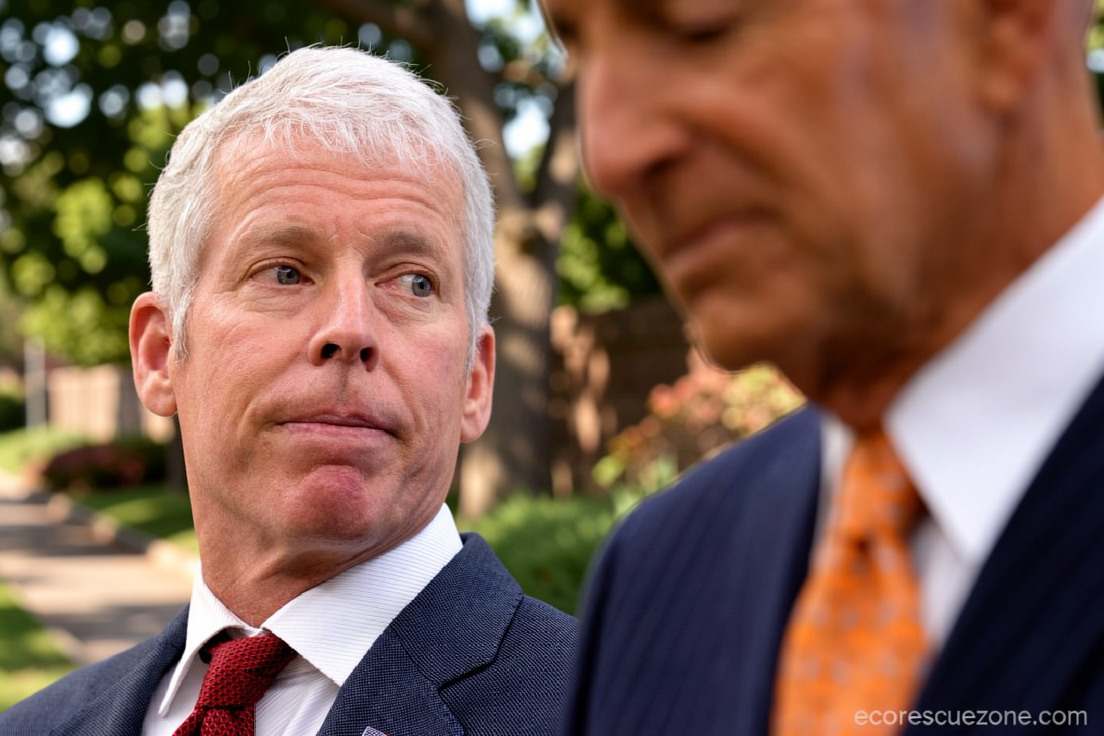
Jason Arday, Cambridge professor accused of plagiarism, is found dead

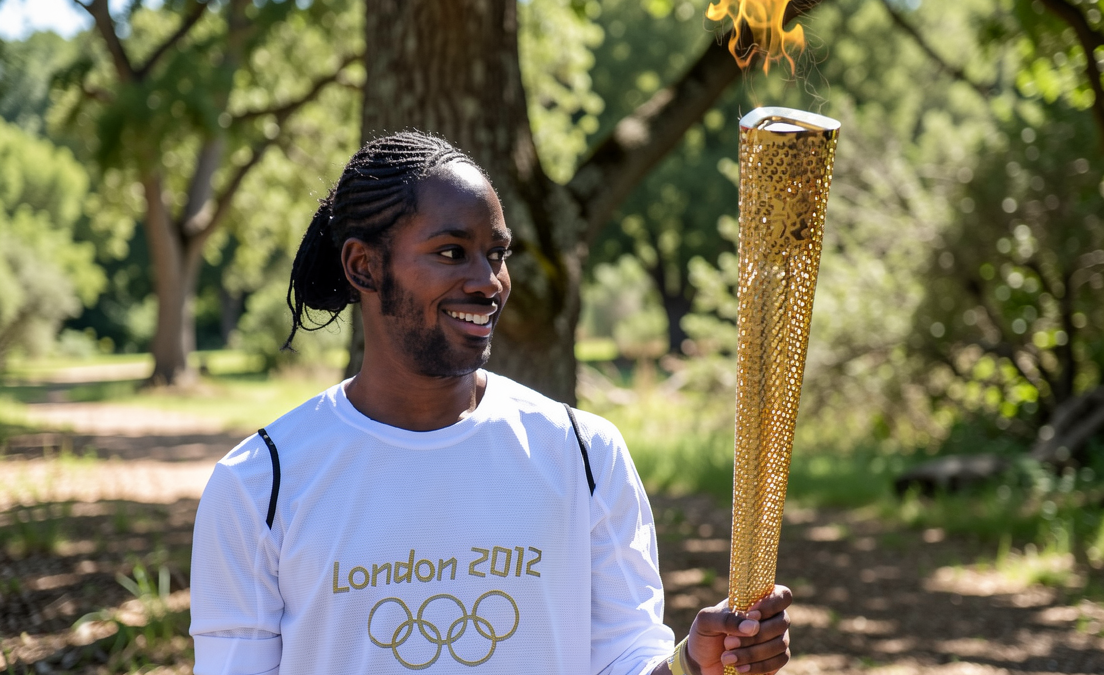
Daftar Isi
Cambridge Sociologist Jason Arday Dies Following Months of Public Scrutiny
Ecorescuezone.com – Jason Arday, a prominent British sociologist and Cambridge University’s youngest Black professor, has been found dead at his home in south London. The 41-year-old academic was discovered unresponsive in a Battersea residence on Friday afternoon, marking a tragic end to weeks of intense media attention and public accusations that had led to his resignation from the prestigious institution.
Arday’s death comes at a pivotal moment in his career and personal life. He had stepped down from his position as professor of sociology of education just days earlier, citing the emotional toll of sustained public criticism. His family has described the circumstances as overwhelming for a man known for his gentle nature and optimism.
Discovery and Initial Response
Major British news organizations, including The Times, The Telegraph, the BBC, and Sky News, confirmed that Arday was found inside his Battersea home on Friday. The Metropolitan Police issued a statement confirming that a 41-year-old man was pronounced dead at the location, though they did not publicly name him in accordance with standard protocol.
“At this time his death is being treated as unexpected, but is not believed to be suspicious,” the police statement read.
The timing of Arday’s death proved particularly poignant. News of his passing coincided with the publication of his memoir, “Great and Unfortunate Things,” which publisher Simon & Schuster had moved forward with despite growing doubts about Arday’s credibility. The book, highly anticipated by readers and academics alike, offers a personal account of Arday’s journey from childhood struggles to academic success.
Family Statement and Campaign of Misinformation
Through his publisher, Arday’s family released a heartfelt statement expressing their grief. They described losing “this amazing father, partner, brother, uncle and son” and attributed his death to what they characterized as an unjust campaign against him.
“The campaign of misinformation was too much for Jason, who was a gentle man and who always wanted to see the best in everyone,” the family said. They added that for three years Arday was “subjected to a campaign of sustained abuse … by those who would leave no stone unturned in their quest to undermine him.”
The family’s statement suggests that the controversy surrounding Arday extended beyond recent weeks, pointing to a longer period of scrutiny that may have contributed to his declining health and wellbeing.
Academic Career and Resignation
Arday’s appointment as Cambridge professor in 2023 at age 37 made him the university’s youngest Black professor. His career trajectory was remarkable, particularly given the personal challenges he overcame. Arday has spoken openly about living with dyslexia, developmental delays, and autism, conditions that left him non-verbal until age 11 and illiterate until his late teens.
In his resignation statement, Arday clarified that his departure should not be interpreted as an admission of guilt. He wrote that “the relentless accusations, speculation and public commentary have taken a profound toll on me and on those I love.” While he denied the core plagiarism allegations, he acknowledged making some errors during his doctoral studies.
The Plagiarism Allegations and Academic Debate
The controversy surrounding Arday gained momentum last month when Nathan Cofnas, a former Cambridge philosophy researcher, publicly questioned his qualifications. Cofnas had previously left the university after his critique of diversity, equity, and inclusion programs triggered widespread protests.
The Times of London published a detailed analysis on July 24 examining Arday’s 2015 Ph.D. thesis from Liverpool John Moores University. The analysis highlighted what it described as multiple passages that were “identical or near-identical” to work by another researcher. This finding intensified calls for an independent investigation into Arday’s appointment.
British media also scrutinized Arday’s fundraising achievements. He had claimed to have raised £5.5 million (approximately $7.4 million) for charity through remarkable athletic feats, including running 30 marathons in 35 days and covering 600 miles in just six days.
Cambridge University’s Response
Cambridge University initially defended Arday, noting that the plagiarism allegations had been investigated by Liverpool John Moores University, which had awarded his doctorate. However, the institution subsequently reversed its position, announcing an investigation “following new information about Professor Arday’s qualifications and honorary appointments.”
Vice-chancellor Deborah Prentice expressed deep sorrow at the news. “Our heartfelt sympathies go to Jason Arday’s family and friends at this incredibly difficult time,” she said. Prentice had previously announced that the university would examine the circumstances surrounding Arday’s employment in detail.
Supporters and Broader Implications
More than two dozen academics and politicians have publicly supported Arday, characterizing the allegations as a coordinated “smear campaign” aimed at undermining Black professionals in positions of influence. They argue that the scrutiny Arday faced was disproportionate and potentially motivated by broader biases within academic institutions.
The case has sparked renewed debate about diversity, equity, and inclusion in British higher education. Critics of the allegations suggest that Arday’s race and the visibility of his achievements made him a target, while supporters of the investigation maintain that academic standards must be upheld regardless of an individual’s background or accomplishments.
A Life of Achievement and Struggle
Arday’s memoir paints a picture of someone who saw himself as “born to achieve and born to struggle.” He recalled a family legend that the 1980s hit “Everybody Wants to Rule the World” was playing on the radio when he was born. A midwife reportedly noted his long fingers and told his mother this was a sign he was destined for greatness.
During a relief mission in Brazil in his early twenties, an aid worker placed a hand on his arm and predicted an extraordinary life. But she also offered a warning: “But I also believe you’re destined for very sad and difficult things as well.”
As Cambridge University continues its investigation into Arday’s qualifications and appointment, the academic community awaits further developments. The outcome of this inquiry may have significant implications for how universities approach diversity initiatives and the verification of academic credentials.
Related Reading
Frequently Asked Questions
What is Jason Arday Cambridge professor accused of plagiarism?
Jason Arday Cambridge professor accused of plagiarism is the main topic of this guide. The article explains the context, practical details, and next steps readers should understand.
Why does Jason Arday Cambridge professor accused of plagiarism matter?
Jason Arday Cambridge professor accused of plagiarism matters because readers are looking for a useful answer, not just a short summary. Good content should match search intent and help them decide what to do next.