Romanian director Cristian Mungiu’s ‘Fjord’ wins top prize at Cannes

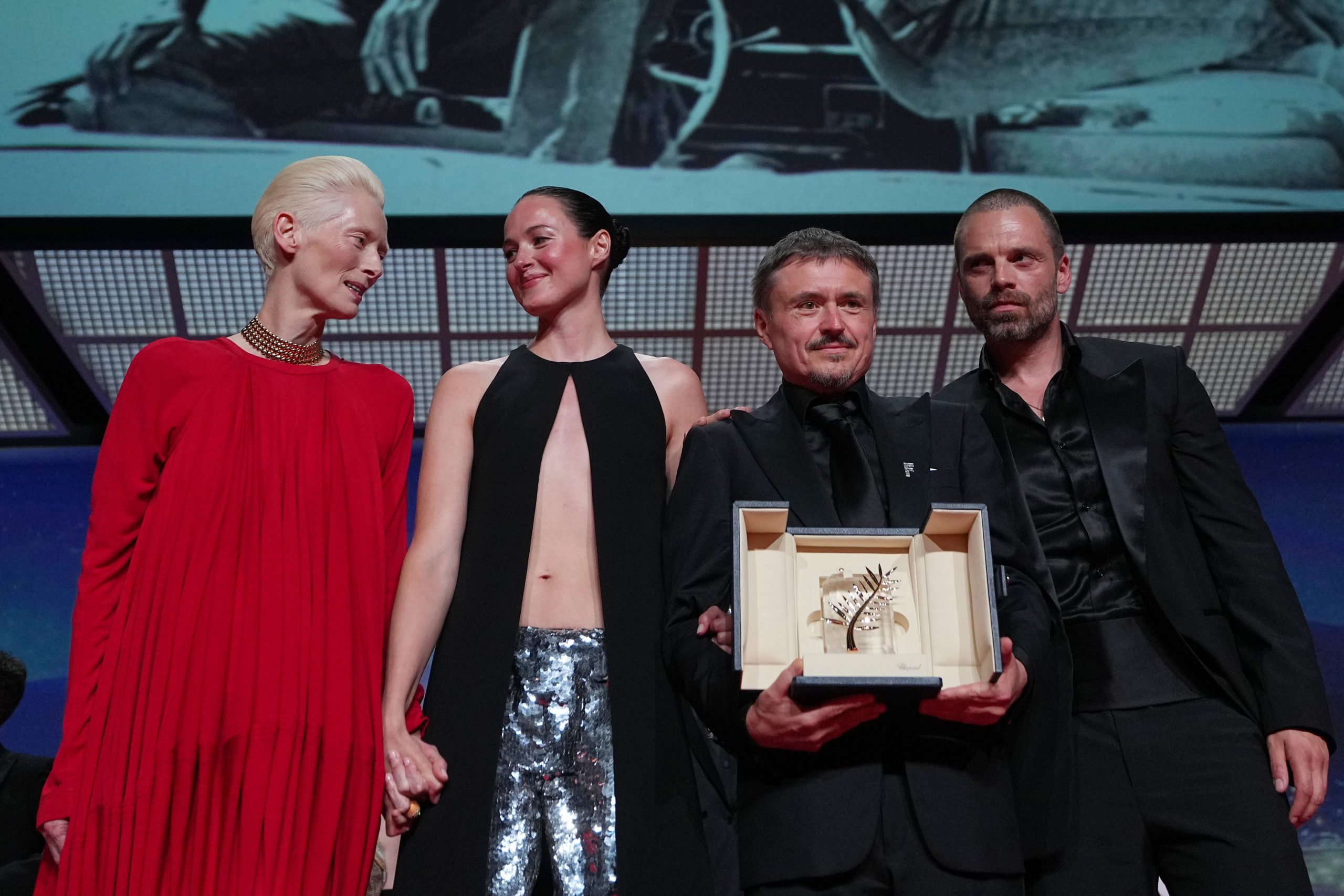
Romanian Director Cristian Mungiu’s ‘Fjord’ Wins Top Prize at Cannes
Romanian director Cristian Mungiu s Fjord – On Saturday, the 79th Cannes Film Festival concluded with a landmark moment as Romanian director Cristian Mungiu claimed the prestigious Palme d’Or for his latest work, *Fjord*. The award, presented during the final ceremony at the Grand Théâtre Lumière in Cannes, France, recognized the film’s bold exploration of contemporary cultural tensions. Set in Norway, *Fjord* follows the struggles of an immigrant family navigating a society grappling with ideological divides. The film’s star-studded cast, featuring Sebastian Stan and Renate Reinsve, brought a nuanced portrayal of identity, belonging, and the friction between tradition and modernity.
A Bold Statement in a Divided World
Mungiu, known for his introspective storytelling, has once again demonstrated his ability to capture the complexities of human experience. This marks his second Palme d’Or, following his 2007 triumph with *4 Months, 3 Weeks, and 2 Days*. The director’s latest effort, *Fjord*, continues his tradition of highlighting social issues through intimate, character-driven narratives. The film’s reception at Cannes underscores its relevance in today’s climate, where societal polarization is increasingly evident.
During his acceptance speech, Mungiu emphasized the film’s purpose, stating,
“We took the risk to speak aloud about things that many of us know and many of us share … but don’t dare to say in public.”
He called for artists to embrace challenging themes, no matter how uncomfortable they might be. “Today, the society is split, it’s divided, it’s radicalized,” he added, stressing the importance of films as a counterforce against fundamentalism. “This film is a pledge against any kind of fundamentalism. It’s a pledge for the things we quote very, very often, like tolerance and inclusion and empathy. … These are lovely words, but we need to apply them more often.”
Streisand’s Honorary Recognition
While Mungiu celebrated his victory, the festival also honored Barbra Streisand with its third Honorary Palme D’Or. The legendary actress, unable to attend in person due to a knee injury, delivered a heartfelt message through a pre-recorded video. “In a crazy, volatile world that seems more fractured every day, it’s reassuring to see the compelling movies at this festival by artists from many countries,” Streisand said.
“Film has that magical ability to unite us, opening our hearts and minds.”
Her words echoed the festival’s role as a global platform for storytelling that transcends borders.
Competing Works and the Festival’s Diversity
The Palme D’Or competition featured 22 films from around the world, each vying for the honor of being hailed as the year’s standout cinematic achievement. Among the contenders were American entries such as *The Man I Love*, directed by Ira Sachs, and *Paper Tiger*, helmed by James Gray. These films, alongside *Fjord*, showcased the festival’s commitment to presenting a wide array of voices and perspectives. The selection process highlighted the balance between artistic ambition and commercial appeal, with entries ranging from gripping dramas to ambitious experimental works.
Other notable awards during the closing ceremony recognized performances across genres. Virginie Efira and Tao Okamoto shared the best actress title for *All of a Sudden*, a philosophical drama that delved into the intricacies of human connection and existential reflection. The film’s blend of dialogue-driven storytelling and visual symbolism resonated with critics and audiences alike. In the best actor category, Valentin Campagne and Emmanuel Macchia were honored for their roles in *Coward*, a poignant tale set against the backdrop of World War I. Their portrayals of love and resilience in a time of conflict added emotional depth to the festival’s lineup.
Themes of Unity and Division
Mungiu’s *Fjord* serves as a microcosm of broader societal debates, particularly those surrounding immigration and cultural integration. By focusing on a single family’s journey, the film invites viewers to reflect on the universal challenges of displacement and adaptation. The director’s meticulous attention to detail and restrained direction amplify the emotional weight of the story, making it both relatable and thought-provoking. Critics praised the film’s ability to balance personal narrative with political commentary, offering a fresh perspective on a topic often approached with sensationalism.
Streisand’s honorary award, meanwhile, highlighted the festival’s appreciation for artists who have made lasting contributions to cinema. Her presence, though virtual, reinforced the idea that the Cannes Film Festival is not only about showcasing new works but also about celebrating the legacy of those who have shaped the industry. The inclusion of her message in the closing ceremony underscored the event’s role in fostering hope amidst global uncertainty.
The Impact of the Palme D’Or
The Palme D’Or remains one of the most coveted accolades in international cinema, with its winners often becoming cultural touchstones. Mungiu’s success at Cannes marks a significant milestone in his career, as well as for Romanian cinema, which has gained increasing recognition on the global stage. The award also reflects the festival’s ongoing focus on emerging filmmakers and socially conscious narratives. As the competition for the top prize intensifies, so too does the festival’s influence in shaping the direction of film.
The 79th Cannes Film Festival not only celebrated cinematic excellence but also served as a forum for discussing pressing issues. From Mungiu’s *Fjord* to Streisand’s speech, the event emphasized the power of storytelling to bridge gaps and inspire dialogue. With its diverse lineup and critical acclaim, the festival reaffirmed its position as a premier stage for innovation and reflection in the film world. As the curtain fell on the ceremony, the message was clear: cinema continues to be a vital medium for addressing the challenges of our time.