The U.S.-led War in Iran Will Dominate Trump’s G7 Trip to France
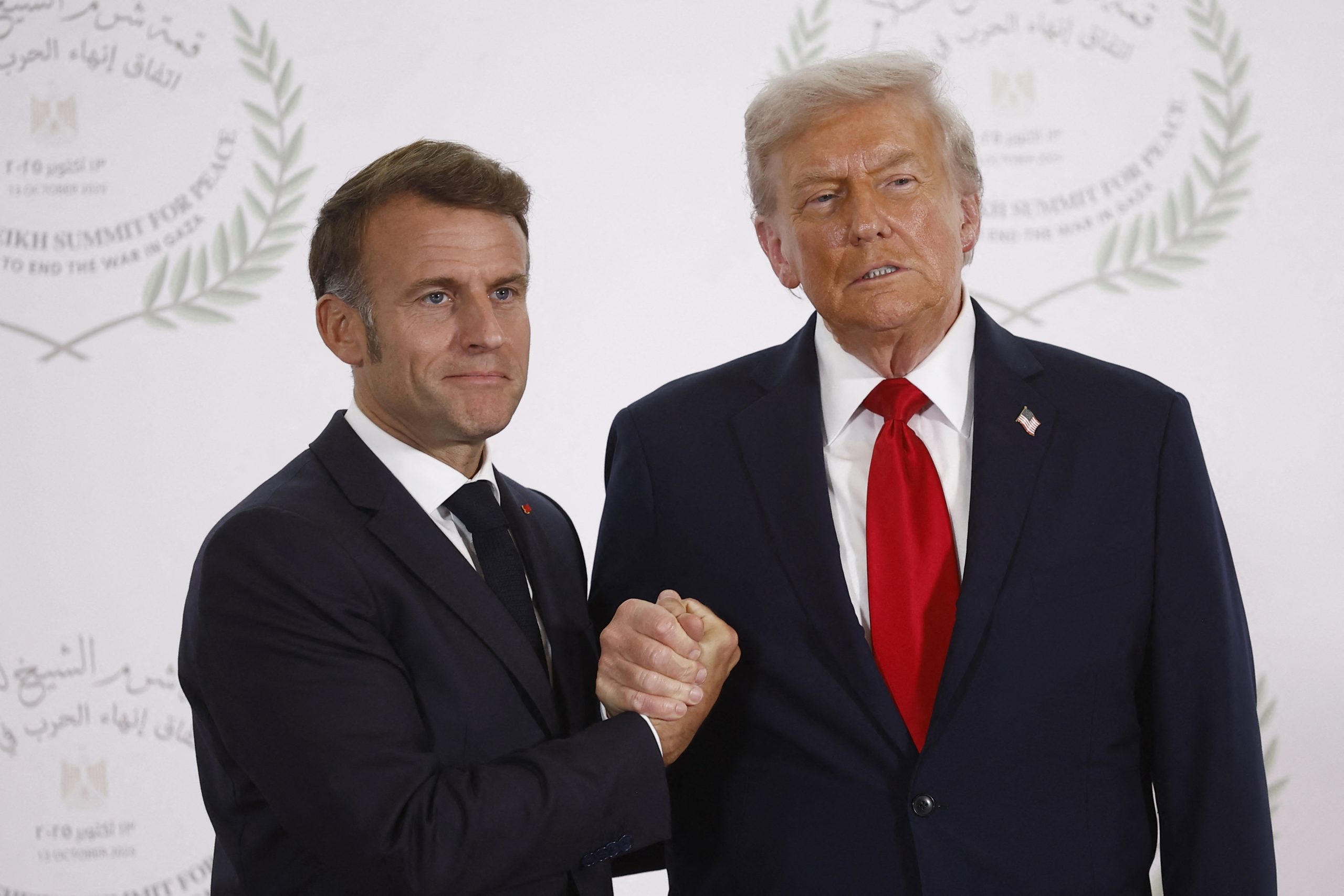
The U S led war in Iran – President Donald Trump is set to depart for France, where he will attend the upcoming G7 summit. This meeting is expected to center on the intensifying confrontation with Iran, a focal point that has emerged as a pivotal issue in international relations. The summit, held in Evian-les-Bains, will see the U.S. leader engaging with European counterparts, including French President Emmanuel Macron, as well as Middle Eastern officials and Ukrainian President Volodymyr Zelenskyy.
Strategic Tensions and Diplomatic Dynamics
Trump’s interactions with European leaders will likely highlight longstanding disagreements over trade, Ukraine, and security matters. Since his re-election, the president has frequently clashed with European allies, particularly over their reluctance to fully endorse the U.S.-led military campaign against Iran. These tensions have now become a central theme of the summit, overshadowing previously planned discussions on economic and security policies.
Senior U.S. administration officials confirmed that Trump’s itinerary will include both group and one-on-one sessions with key Middle Eastern leaders. Additionally, he is scheduled to meet with Zelenskyy and other G7 leaders to tackle shared challenges. One official emphasized that the summit will address a range of topics, from economic growth and supply chain resilience to artificial intelligence and migration. However, the primary concern remains the geopolitical crisis in the Persian Gulf, which has heightened energy costs and exposed divisions among Western democracies.
“There is no doubt Iran is going to dominate the agenda at Evian,” said Brett Bruen, a former National Security Council advisor under President Obama. “It is going to be both a military and security challenge. It’s a major economic challenge, but it’s also a political challenge.”
The brewing tensions between the U.S. and its G7 allies have escalated in recent weeks, particularly after Trump announced the withdrawal of at least 5,000 U.S. troops from Germany. This move was made during a heated exchange with European leaders, who had expressed hesitation in supporting the Iran conflict. While the decision was later adjusted, with troops redirected to Poland, the incident underscored the potential consequences of provoking the president.
Diplomats note that such actions can have far-reaching impacts on security alliances. Constanze Stelzenmüller, a transatlantic security expert at the Brookings Institution, remarked that the event will serve as a reminder for leaders to maintain composure in dealings with Trump. “Any meeting that includes the president raises the prospect of significant uncertainty,” she stated. “The president’s volatility is legendary. He could get upset very quickly. He can be charming at other times. And he can whiplash between one or the other in the blink of an eye.”
European Unity and Strategic Shifts
Some analysts argue that the friction in U.S.-European relations has inadvertently strengthened European cohesion. Nathalie Tocci, a former EU foreign policy adviser, noted that repeated U.S. pressure on trade, defense spending, and security policy has prompted European nations to align more closely. “The Europeans are in a much better place now than they were a year ago,” Tocci explained. “I would say there is less bending of the knee going on and there’s more willingness to politely sort of be firm on certain issues.”
This shift reflects a broader trend of strategic autonomy among European countries. As they navigate the complexities of the Iran conflict, European leaders are increasingly prioritizing collective decision-making over unilateral U.S. actions. The summit offers a critical opportunity to solidify this unity, particularly in addressing the economic fallout from the war and ensuring energy stability in the region.
Coalition Building and Regional Stability
France and the United Kingdom are collaborating to form a coalition of nations aimed at securing the Strait of Hormuz once a peace agreement with Iran is reached. This initiative underscores the strategic importance of the region, as its stability directly affects global energy markets. Trump, who has stressed the need for Western nations to take a more active role in the area, will likely discuss the coalition’s goals during the summit.
Despite these efforts, the U.S. president has other pressing priorities. He aims to strengthen economic ties with allies, promote investment partnerships, and address critical mineral supply chains. Additionally, the summit will tackle global challenges such as innovation, artificial intelligence, and the ongoing Ebola outbreak. These topics, however, may take a backseat to the urgent need for resolving the Iran conflict.
Experts warn that the current divide between the U.S. and its allies highlights the limitations of the American First strategy. “If the United States can’t contain the fallout from a military operation of our choice against a single country, that at best is a middling power,” Bruen added. “How on earth are we going to be able to push back against a larger power, a nuclear power?”
The G7 summit thus serves as a litmus test for the effectiveness of U.S. leadership in managing global crises. With energy prices rising and geopolitical uncertainty mounting, the outcome of the discussions will likely shape the future of international cooperation. As the world watches, the question remains: can the U.S. and its allies find common ground in the face of such challenges?