The U.S. healthcare system is in crisis. A Supreme Court ruling could make things worse

U.S. Healthcare System Faces Crisis Amid Supreme Court TPS Decision
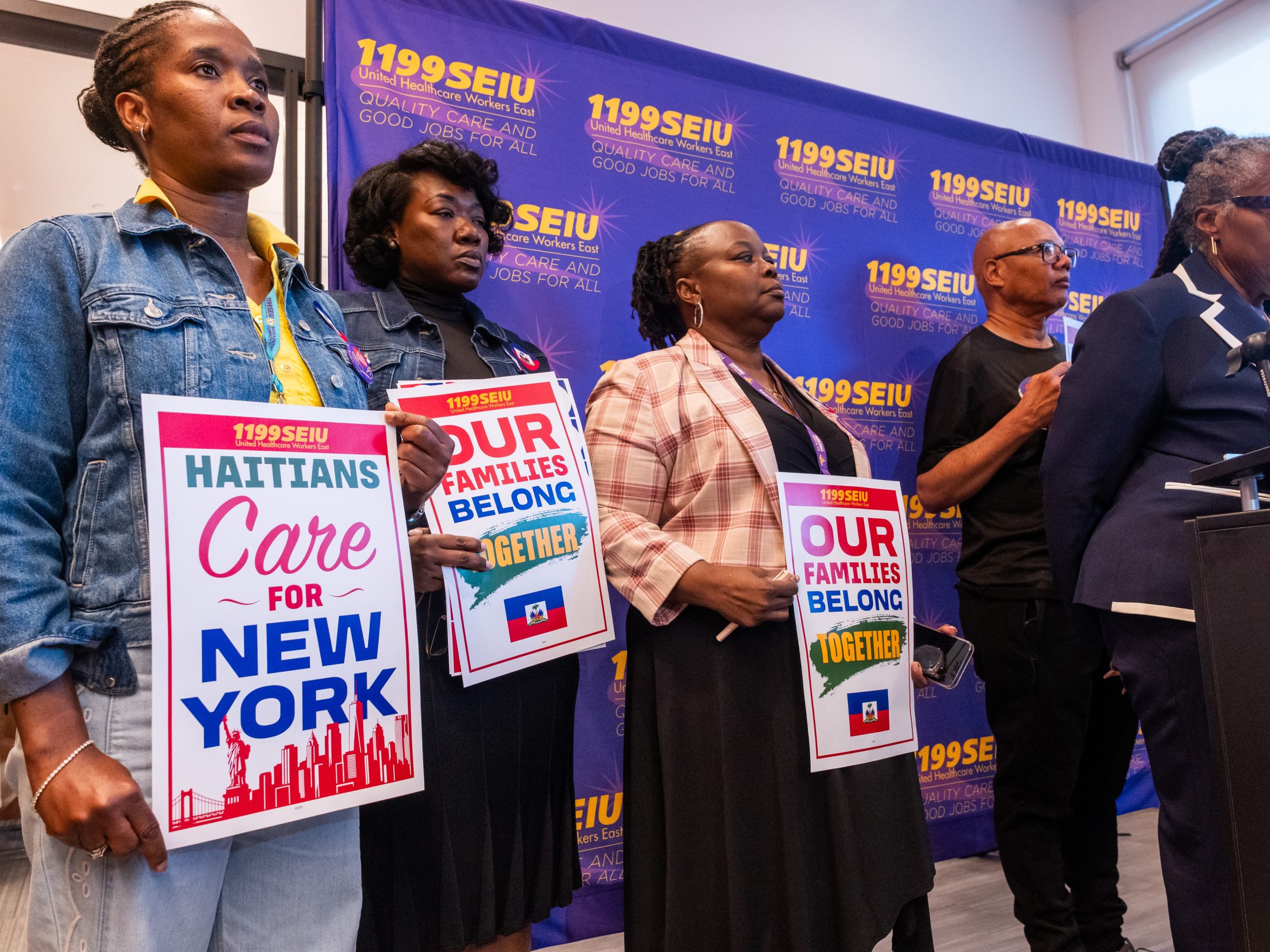
The U S healthcare system is – The U.S. healthcare system is at a critical juncture. A recent Supreme Court ruling has intensified fears about the system’s stability, particularly as it threatens the livelihoods of immigrant workers who are essential to its functioning. This decision, which could end Temporary Protected Status (TPS) for Haitians and Syrians, has raised alarms among medical professionals and policymakers about the potential fallout for the already overburdened U.S. healthcare infrastructure.
Impact on the Medical Workforce
The ruling allows the Trump administration to terminate TPS protections, which have been in place for over a decade. Haitian and Syrian nationals have relied on these status grants to remain in the U.S. and contribute to critical roles in healthcare. With the removal of this safety net, many immigrant workers—especially those in long-term care and home health services—are now vulnerable to deportation. This could worsen staffing shortages that have already left hospitals and clinics struggling to meet demand.
Steffie Woolhandler, a professor at Hunter College and affiliated with Harvard Medical School, highlighted the disproportionate effect on regions like Boston, where a significant portion of nursing home and home care aides are Haitian. “The U.S. healthcare system is already stretched thin, and losing this workforce would create a crisis in patient care,” she explained. Her analysis suggests that without immigrant labor, the system’s ability to function efficiently may be severely compromised.
Broader Implications for Healthcare Access
A 2025 study co-authored by Woolhandler revealed that noncitizens make up a substantial share of the U.S. healthcare workforce, with approximately 50,000 physicians and 145,000 registered nurses being immigrants. This reliance is especially pronounced in long-term care facilities, where immigrant workers often fill roles that are difficult to staff with U.S. citizens alone. The Supreme Court’s decision could disrupt this delicate balance, leading to long-term consequences for patient care and medical operations.
FWD.us, a policy advocacy group, emphasized the stakes for Haitians, estimating that 21,000 TPS holders work as nursing assistants and caregivers. These workers, who often take on roles that are both labor-intensive and emotionally demanding, are now at risk of being removed from the system. “The U.S. healthcare system depends on these individuals to maintain its daily operations,” Woolhandler noted. The uncertainty surrounding their legal status has already caused panic among workers and their families.
Legal and Economic Uncertainty
The Trump administration has yet to detail how it will phase out TPS protections, leaving over 330,000 Haitians and 4,000 Syrians in legal limbo. On Wednesday, the Department of Homeland Security announced that existing Employment Authorization Documents would no longer be valid, but the timeline for this change remains unclear. This ambiguity has created a climate of anxiety, with communities like Springfield, Ohio, reporting widespread fear among Haitian residents about their future in the U.S. healthcare system.
“People are worried about losing their jobs, their assets, and even their right to drive,” said Viles Dorsainvil, co-founder of the Haitian Support Center. In Springfield, where one in four residents is Haitian, the threat of deportation has shaken the local healthcare landscape. The ripple effects of this policy shift extend beyond individual workers, potentially impacting the entire network of care providers and the communities they serve.
Experts warn that the erosion of immigrant labor could lead to a cascading effect on healthcare delivery. Two-thirds of hospitals have already had to close beds due to staffing gaps, and nearly half of nursing homes report difficulty accommodating new patients. Woolhandler stressed that without these workers, the U.S. healthcare system might face systemic breakdowns, affecting everything from emergency care to rehabilitation services. “If we lose key players from the system, the flow of care will slow down significantly,” she said.