Top Iran official says US focus on economic warfare shows it has failed militarily

Daftar Isi
Washington Escalates Economic Pressure on Tehran as Peace Talks Remain Frozen
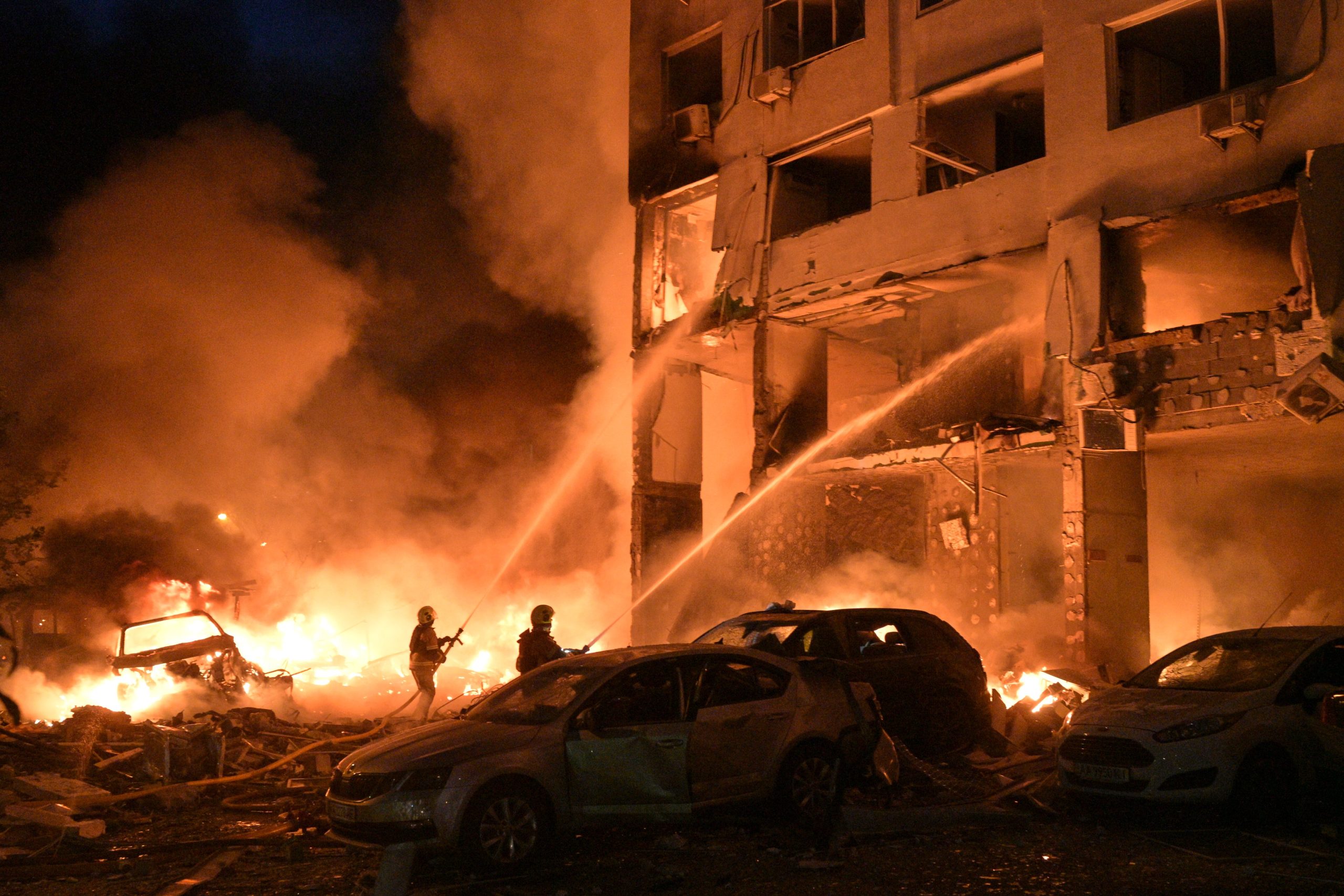
Ecorescuezone.com – The diplomatic channel between the United States and Iran has gone silent once again. Days after a sixty-day memorandum of understanding — designed to open negotiations toward ending the ongoing conflict — lapsed without renewal, both sides have turned their attention to what appears to be a full-scale economic confrontation. A U.S. naval blockade remains active, and Tehran continues to impose heavy restrictions on vessel traffic through the Strait of Hormuz, the narrow waterway through which roughly a fifth of the world’s daily oil supply transits. With no active negotiation track, the pressure has shifted almost entirely onto financial and trade levers.
Tehran Frames the Escalation as Military Admission
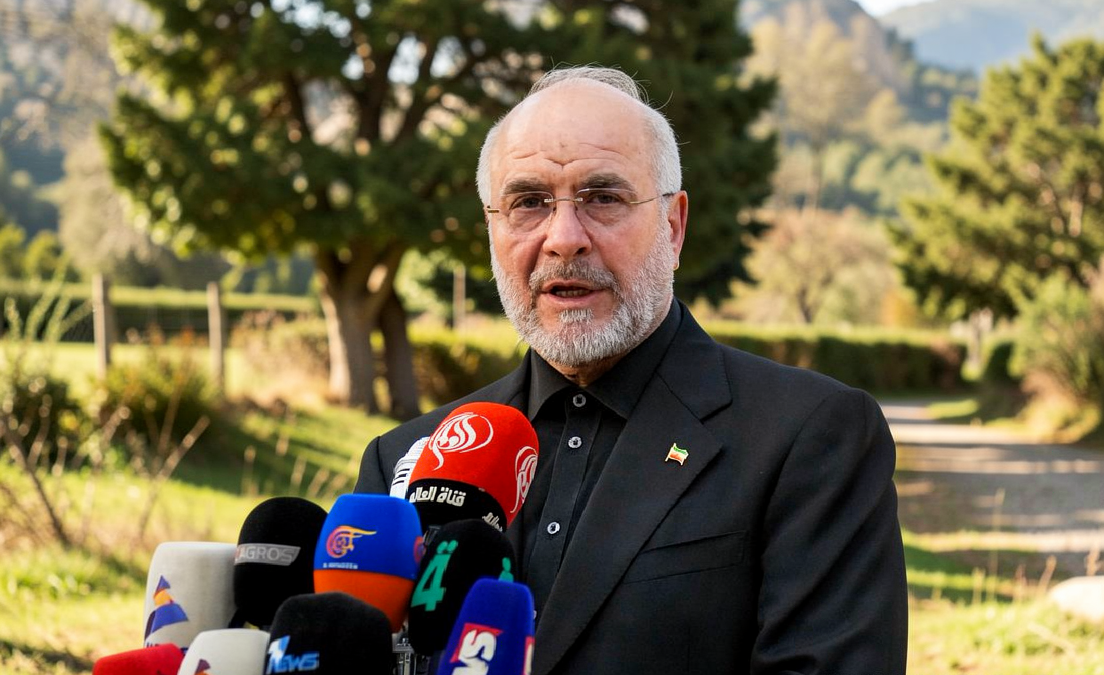
Iran’s top legislative figure, Parliamentary Speaker Mohammad Baqer Qalibaf — who also serves as the country’s principal negotiator with Washington — interpreted President Trump’s latest economic threats as a tacit acknowledgment that the United States cannot win a conventional military contest. Speaking during a visit to neighboring Iraq on Friday, Qalibaf characterized the American pivot toward financial coercion as a retreat from the battlefield.
“The Americans and the Israelis have realised that they cannot handle Iran…in the field of a hard military war, so they have entered into a cognitive war and an economic war.”
Foreign Minister Abbas Araghchi echoed the sentiment in a social media post, branding the announced strategy “economic terrorism” designed to distract from domestic economic difficulties in the United States. Araghchi warned that persisting with policies already deemed failures would only deepen anti-American feeling across the region and beyond.
Trump’s “Economic D-Day” and the Secondary-Sanctions Threat
The American side has moved quickly to translate rhetoric into concrete policy signals. Earlier in the week, Trump posted on Truth Social a pledge to deliver “the most crushing economic operation ever taken against any country,” urging allied governments to stand alongside Washington. On Wednesday he sharpened the language further, writing:
“ANY country that allows its financial institutions, businesses, airports, or government entities to provide any type of lifeline to Iran will itself face TREMENDOUS Economic Consequences.”
Treasury Secretary Scott Bessent amplified the message in a Thursday interview with CNBC, declaring that Iran would face the “greatest coordinated economic isolation in the history of the world.” He added:
“It is going to work in Iran and we are going to collapse this regime. It is time for our allies and the rest of the world to make a decision.”
The existing sanctions architecture already renders most Western trade with Tehran impractical. In June, Washington extended its reach by targeting refineries and commercial entities that purchase Iranian crude. What Bessent now threatens goes a step further: secondary sanctions aimed not merely at corporate actors but at sovereign nations that maintain any commercial or financial relationship with Iran. Bessent is expected to outline the operational details of this “economic D-Day” at a press conference on Monday.
China at the Center of the Question
The secondary-sanctions threat lands with particular force on Beijing. China has been the dominant buyer of Iranian oil, and Bessent named it explicitly in his CNBC remarks — the only country he singled out.
“Unfortunately, they’ve been buying, they were the largest consumer of Iranian oil, they were buying about 90 percent of it.”
Pressed on whether China itself might become a target of the new measures, Bessent declined to answer. On Friday, a spokesperson at China’s foreign ministry responded by urging both sides back to the negotiating table, stating that “sanctions and pressure tactics are not the solution.” The ambiguity surrounding Beijing’s exposure introduces a significant variable: if secondary sanctions are applied broadly, they could ripple through global shipping, petrochemical supply chains, and currency-settlement networks that China and dozens of other economies depend upon.
Why Tehran May Absorb the Blow
Analysts note that the current Iranian leadership composition complicates any assumption that economic pain will produce political change. Sina Toossi, a senior fellow at the Center for International Policy in Washington, observes that ideological hardliners now hold significant sway over both government institutions and economic management, and that macroeconomic stability is not their governing priority.
“There’s this existential threat that the Iranians have been faced with. So they’re willing to bear much greater economic costs to kind of secure their survival.”
In practical terms, this means that even a severe contraction in oil revenue and foreign trade may not translate into the domestic unrest or policy reversal that Washington appears to be counting on. The regime’s calculus, under the current leadership configuration, weighs regime survival above economic welfare — a distinction that could allow Tehran to endure pressures that would destabilize a more economically oriented government.
What Comes Next
With the MoU expired, the blockade intact, and Hormuz traffic constrained, the window for a negotiated settlement has narrowed considerably. Monday’s Treasury briefing will reveal whether the secondary-sanctions framework is a negotiating lever or a standing policy. For the roughly two dozen countries that still maintain some commercial contact with Iranian ports, banks, or energy firms, the coming weeks will determine whether the cost of doing business with Tehran becomes prohibitive — and whether the global trade architecture bends to accommodate a new axis of economic coercion.
Related Reading
Frequently Asked Questions
What is Top Iran official says US focus?
Top Iran official says US focus is the main topic of this guide. The article explains the context, practical details, and next steps readers should understand.
Why does Top Iran official says US focus matter?
Top Iran official says US focus matters because readers are looking for a useful answer, not just a short summary. Good content should match search intent and help them decide what to do next.