At least 1,500 missing after deadly Nepal-Tibet floods

Daftar Isi
- Glacial Collapse Triggers Catastrophic Floods Along Nepal-Tibet Border, Leaving Over 1,500 Missing
- The Human Toll: Pilgrims, Tourists, and Local Residents
- Rescue Efforts Stalled by Destroyed Infrastructure
- International Response and Diplomatic Mobilization
- A Warming Himalaya: Context and Forward Risk
- Related Reading
- Frequently Asked Questions
Glacial Collapse Triggers Catastrophic Floods Along Nepal-Tibet Border, Leaving Over 1,500 Missing
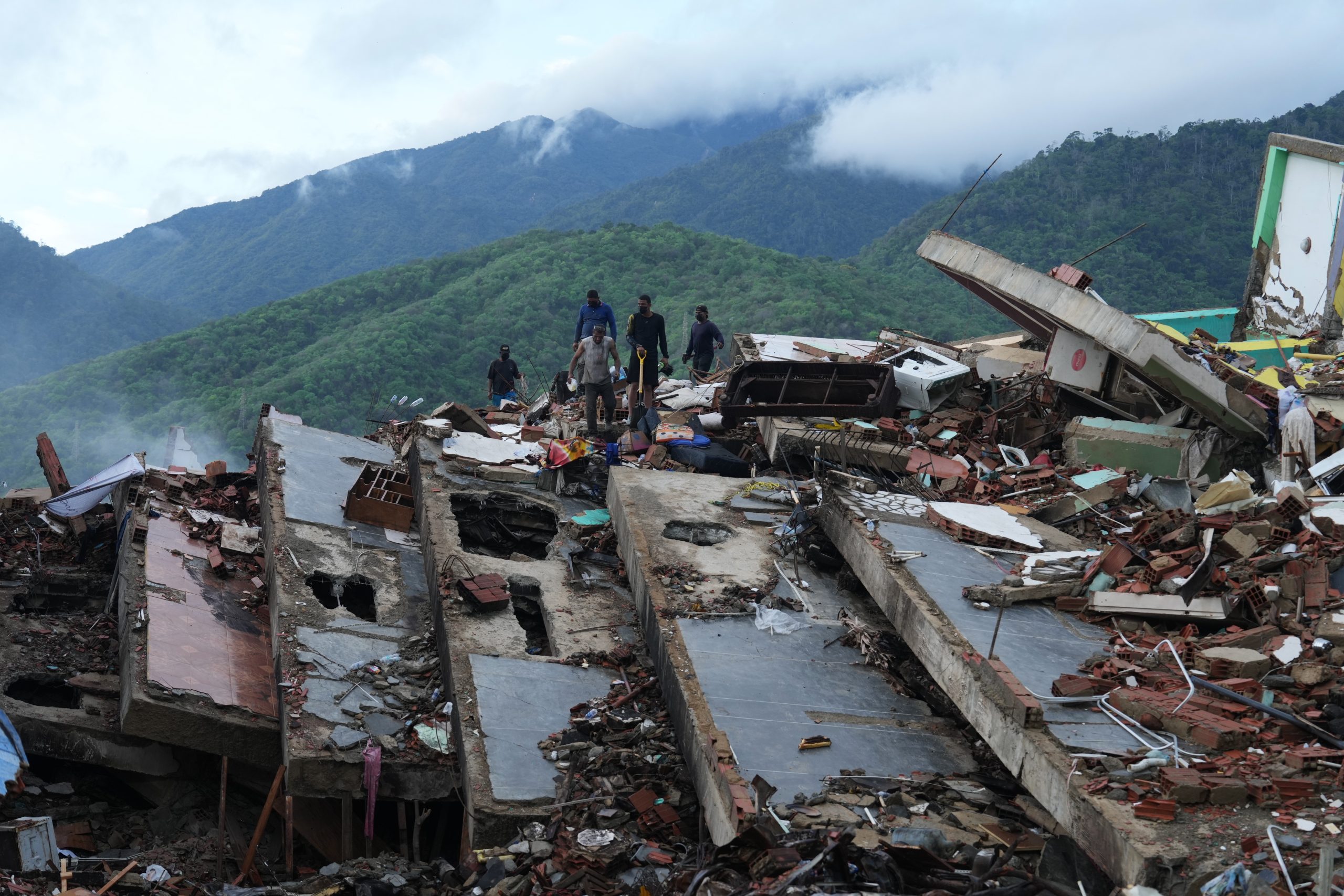
Ecorescuezone.com – A wall of glacial meltwater, mud, and shattered debris tore through the high-altitude valleys straddling the Nepal-Tibet border early Wednesday, erasing roads, bridges, and whole settlements in minutes. The disaster has confirmed at least 270 deaths on the Nepali side of the line, while Chinese authorities report three fatalities and two survivors pulled from the wreckage on the Tibetan side. More than 1,500 individuals remain unaccounted for across both nations, making this one of the largest mass-casualty events in the Himalayan corridor in recent memory.
The Trigger: A Glacial Collapse, Not an Earthquake
The U.S. Geological Survey initially logged the event as a 4.4-magnitude seismic tremor before revising its assessment. The agency now attributes the catastrophe to a sudden glacial collapse — a rapid failure of ice and accumulated debris that released a torrent of water and sediment down steep valley floors. Chinese surveillance cameras on the Tibetan flank captured the moment a towering front of mud and rock slammed into structures, swallowing roadways and sweeping residents into the current.
For those caught in the path of the flood, the experience was one of absolute terror. Santa Tamang, a 25-year-old university student residing in one of the affected river valleys, described the scene by telephone. Her family managed to scramble to higher ground, hauling her elderly grandmother along, but their home was obliterated in the process.
“Everything is gone. My childhood, my family, my community,” Tamang said.
The Human Toll: Pilgrims, Tourists, and Local Residents
Nepal draws hundreds of thousands of visitors each year, and the flood’s timing caught many foreign travelers mid-journey. The Nepal Tourism Board’s latest tally places 644 overseas nationals among the missing. The breakdown includes 65 Americans, 178 Indians, 33 British citizens, 35 Australians, and 25 Canadians.
On the Tibetan side, Chinese officials state that 558 people are unaccounted for, among them 260 foreign nationals. A significant share of those missing are Hindu pilgrims en route to Kailash Mansarovar, the high-altitude sacred site in western Tibet venerated by both Hindu and Buddhist traditions. The pilgrimage corridor passes through precisely the valleys where the floodwaters carved their path, compounding the search challenge.
Rescue Efforts Stalled by Destroyed Infrastructure
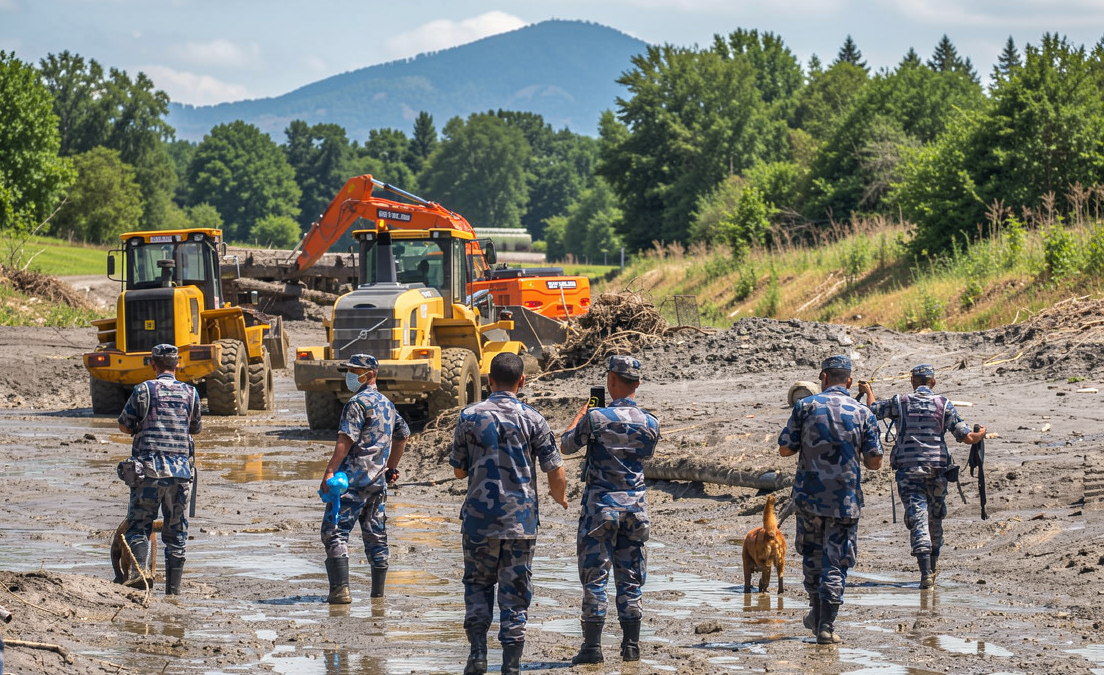
Relief operations remain in their earliest phases, and the very infrastructure that would normally carry rescuers into affected zones has been washed away. Riaz Lodhi, country director for the World Food Programme in Nepal, explained that teams are attempting to excavate survivors from deep mud deposits while the Nepali government dispatches helicopters to reach isolated pockets.
“It’s all happening in the mountainous region where road access is always challenging, but under these circumstances, as far as we know at the moment, it is impossible,” Lodhi said.
Dhruba Gurmachhan of the aid organization World Vision projects that more than 30,000 households will be affected by the disaster. He noted that while Nepali authorities bring considerable experience from the devastating 2015 earthquake — which claimed over 1,000 lives — the scale and character of this flood event are unprecedented in local memory.
“We are very much worried about children, women and people with a disability. They are in the open sky. They don’t have anything to eat, they don’t have sanitation,” Gurmachhan said.
International Response and Diplomatic Mobilization
The U.S. State Department announced a $500,000 aid package and the deployment of a disaster-response adviser to the region. Secretary of State Marco Rubio posted on X: “We express our solidarity and are united in prayer for the Nepali people following the devastating floods.”
India’s foreign ministry confirmed that several helicopters had been dispatched to Nepal, dropping tents, food, and other emergency provisions. U.N. Secretary-General António Guterres stated that United Nations teams and partner agencies were mobilizing supplies and personnel to support affected communities.
U.K. Foreign Secretary Ed Miliband said he had spoken directly with Nepal’s foreign minister and “expressed Britain’s solidarity and deepest condolences for the disaster that has occurred.” He added that Britain had offered “financial, search and rescue and other help to aid the disaster response.”
Canadian Prime Minister Mark Carney declared his government was “closely following the situation” and “stands ready” to extend support. Australian Prime Minister Anthony Albanese wrote on X: “We are aware of a number of Australians in the area and officials are urgently working to confirm their welfare. We are liaising with local authorities as well as tour operators.”
A Warming Himalaya: Context and Forward Risk
This catastrophe does not exist in isolation. In July 2025, the same corridor experienced a comparable flash-flood episode when a glacial lake in Tibet released large volumes of meltwater after sustained high temperatures caused the ice to overflow its natural containment. Climate scientists point to the accelerating instability of the Himalayan ice system as a growing threat to communities, transport networks, and freshwater supplies across one of the most densely populated regions on Earth.
Mohammad Farooq Azam of the International Center for Integrated Mountain Development has long warned that glacial lake outburst events — once rare and localized — are becoming more frequent and more destructive as warming accelerates ice loss at altitude. The Wednesday disaster, with its confirmed glacial-collapse trigger, underscores that warning: the mountains that define Nepal’s geography and economy are also its most volatile hazard, and the window for preparedness is narrowing with each passing season.
Related Reading
Frequently Asked Questions
What is At least 1 500 missing after?
At least 1 500 missing after is the main topic of this guide. The article explains the context, practical details, and next steps readers should understand.
Why does At least 1 500 missing after matter?
At least 1 500 missing after matters because readers are looking for a useful answer, not just a short summary. Good content should match search intent and help them decide what to do next.