Meta reaches $17B settlement. And, nuclear regulator to abandon radiation safety rule

Daftar Isi
Meta’s $17B Deal and Nuclear Rule Changes
Ecorescuezone.com – This morning’s briefing spans Meta’s 17B settlement with state attorneys general over child-safety claims and the nuclear regulator’s plan to retire a 50-year-old radiation-exposure standard. Below you’ll also find updates on mail-in voting litigation, catastrophic flooding in South Asia, and a federal civil-rights probe into an Arkansas school district.
Child-Safety Payout and Platform Overhauls
Meta has agreed to pay states up to $17 billion in penalties under a landmark federal lawsuit alleging that Facebook and Instagram were engineered to hook young users. California, Colorado, Kentucky, and New Jersey argued the company understood the addictive risks yet concealed them from the public; Meta disputes those claims. A share of the payout is earmarked for youth mental-health programs, after-school activities, and crisis-intervention services. The company also committed to structural platform changes: a default two-hour daily time cap for users under 18, a default nighttime-use block, and the removal of visible like and reaction counts from posts.
Nuclear Regulator Scraps Half-Century-Old ALARA Standard
The Nuclear Regulatory Commission is moving to eliminate the “As Low As Reasonably Achievable” (ALARA) principle, a rule dating back five decades that required the industry to push worker radiation doses below stated limits whenever feasible. The proposed revision would permit certain workers to absorb higher exposures under defined conditions, aligning with the administration’s broader push to expand nuclear power for data-center and AI workloads. Supporters call the change long overdue; critics warn it could raise cumulative exposure levels. Public comments close August 31, and the rule could take effect early next year.
Other Headlines
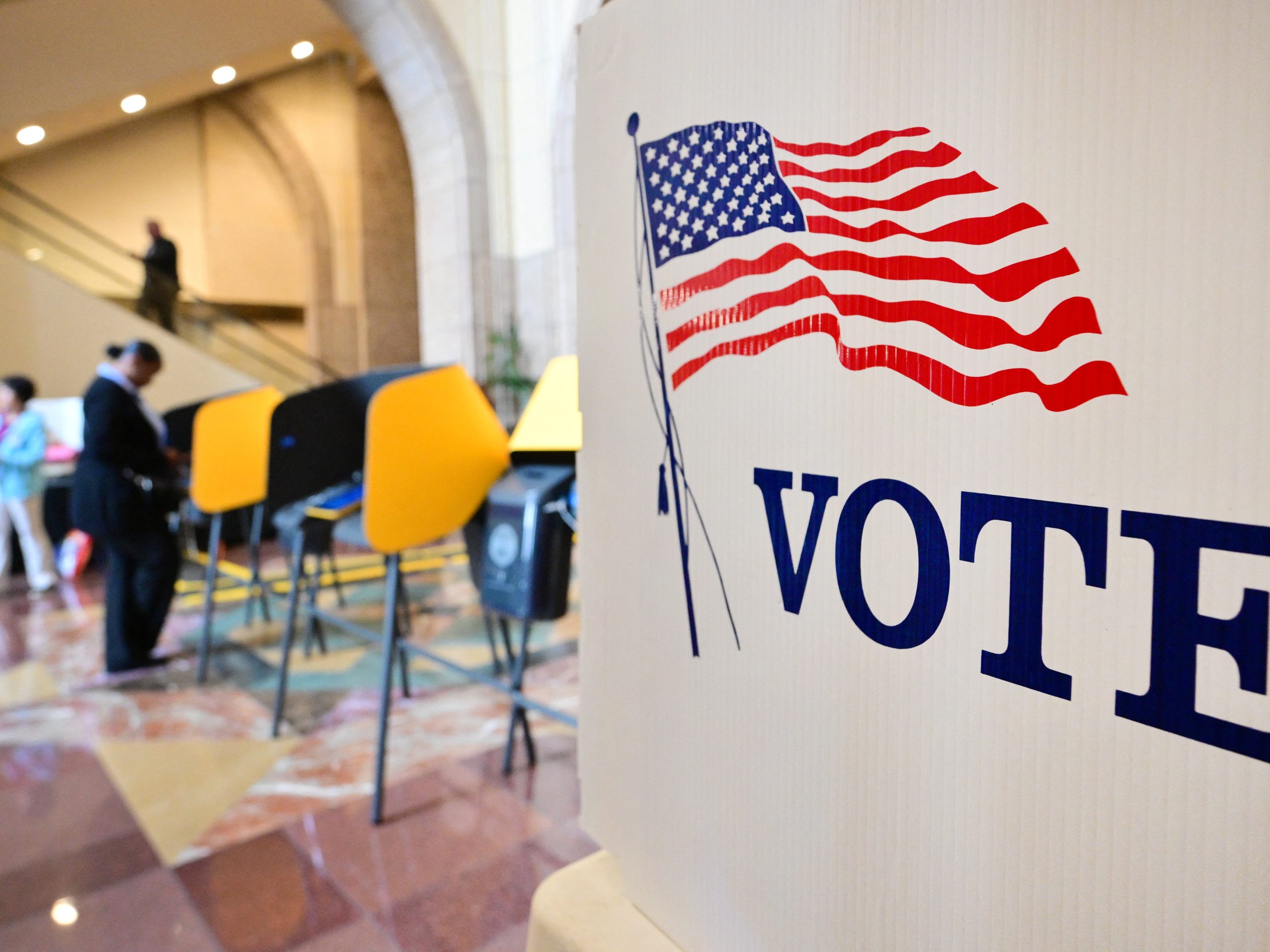
A federal judge in Boston vacated her nationwide injunction that had blocked the Postal Service from implementing President Trump’s executive order restricting mail-in voting, handing the administration another interim victory ahead of the midterms. The Supreme Court had earlier this month faulted a narrower version of the same ruling for being issued before USPS finalized its plans. The high court has so far addressed only procedural questions, leaving the order’s legality unresolved and another review likely.
Flash floods triggered by a collapsing glacier in Nepal and Tibet have killed at least 270 people, with more than 1,500 confirmed missing—including at least 65 Americans, per the Nepal Tourism Board. Water levels surged roughly 30 feet within 30 minutes, burying communities in mud.
The Department of Education’s Office for Civil Rights is investigating Fayetteville Public Schools in Arkansas after the district directed teachers to factor students’ racial identities into discipline decisions, framing the practice as “restorative justice.” New OCR guidance warns that considering race in disciplinary matters may trigger an investigation, reigniting debate over what constitutes discrimination in K-12 settings.
Whether you’re a die-hard railfan or simply appreciate intricate miniatures, the Carquinez Model Railroad Society in Crockett, Calif., offers open houses every few months where more than a mile of track winds through miniature Oakland and Sparks, Nev.—maintained by nearly 180 members in a 129-year-old clubhouse.
FAQ
What does the Meta child-safety settlement actually require?
States can collect up to $17 billion in penalties. Beyond the money, Meta must impose a default two-hour daily usage cap for under-18 accounts, block nighttime use by default, and hide like/reaction counts. A portion of funds is directed to youth mental-health and after-school programs.
When does the ALARA rule change take effect?
The public comment period ends August 31. If finalized, the revised rule could become operative in early next year, though the exact date depends on the Commission’s final vote and any required congressional review.
What happened with the mail-in voting injunction?
U.S. District Judge Indira Talwani canceled her own nationwide order that had barred USPS from following the president’s executive order. The Supreme Court had earlier ruled a narrower version was premature. The administration now proceeds under the order while the legal fight continues toward another potential Supreme Court review.