Kids with autism are prone to drowning. Florida is trying to prevent that

Autism and Drowning Risk: Florida’s Initiative to Save Lives Through Swim Lessons
Kids with autism are prone to drowning – Florida has taken a proactive stance in addressing a significant concern: the heightened risk of drowning among children with autism. The state’s new voucher program, set to launch on July 1, aims to prioritize access to subsidized swim lessons for young children on the autism spectrum. This initiative comes in response to alarming statistics that underscore the vulnerability of these children in aquatic environments.
The Drowning Risk
While many children with autism experience a deep connection to water, this affinity can sometimes lead to tragic outcomes. Mackenzie Wesley, a 5-year-old from Weston, Florida, exemplifies this duality. Her parents have noticed that she finds equal joy in the pool and at the beach, a trait shared by countless others on the spectrum. For Mackenzie, water is a sensory haven—its texture, pressure, and shimmer provide comfort and calm.
“In Florida, there’s water everywhere, and also with kids her age, and also just being on the spectrum, it’s a very — way higher — rate of having an incident of drowning,” says Brittany Bucknor, Mackenzie’s mother.
The risk is well-documented. A 2017 Columbia University study revealed that children with autism are 160 times more likely than their neurotypical peers to die from drowning. This staggering figure highlights a critical need for early intervention, particularly in a state where backyard pools are a common site of fatal incidents. One of the key factors contributing to this risk is the tendency of many autistic children to wander—often without warning—from safe spaces.
Florida’s Response
Recognizing this challenge, Florida lawmakers have introduced a bipartisan bill to expand the state’s swim voucher program. The legislation, spearheaded by state Rep. Anna Eskamani, a Democrat, ensures that children aged 1-7 with autism receive priority access to low-cost swim lessons. Eskamani emphasizes the preventable nature of these tragedies, noting that early exposure to water safety training can significantly reduce the likelihood of drowning.
“These [tragedies] are so preventable, but if that child at an early age does not have access to drowning prevention and swimming lessons, then those statistics will only continue,” Eskamani explains.
The program’s expanded scope reflects Florida’s commitment to addressing this issue. With one of the highest childhood drowning rates in the nation, the state hopes to create a safety net for families. The voucher, worth approximately $200, covers up to eight lessons, making it more accessible for parents who may struggle with the financial burden.
Program Details and Community Impact
The YMCA of South Florida plays a pivotal role in this effort, offering one of the region’s largest adaptive recreational programs. Alison Bregman-Rodriguez, the organization’s vice president, highlights that over 60 percent of participants in their special needs initiatives are diagnosed with autism. “We provide this program for those with a variety of disabilities, primarily over 60 percent of our youth who do come have a diagnosis of autism,” she says.
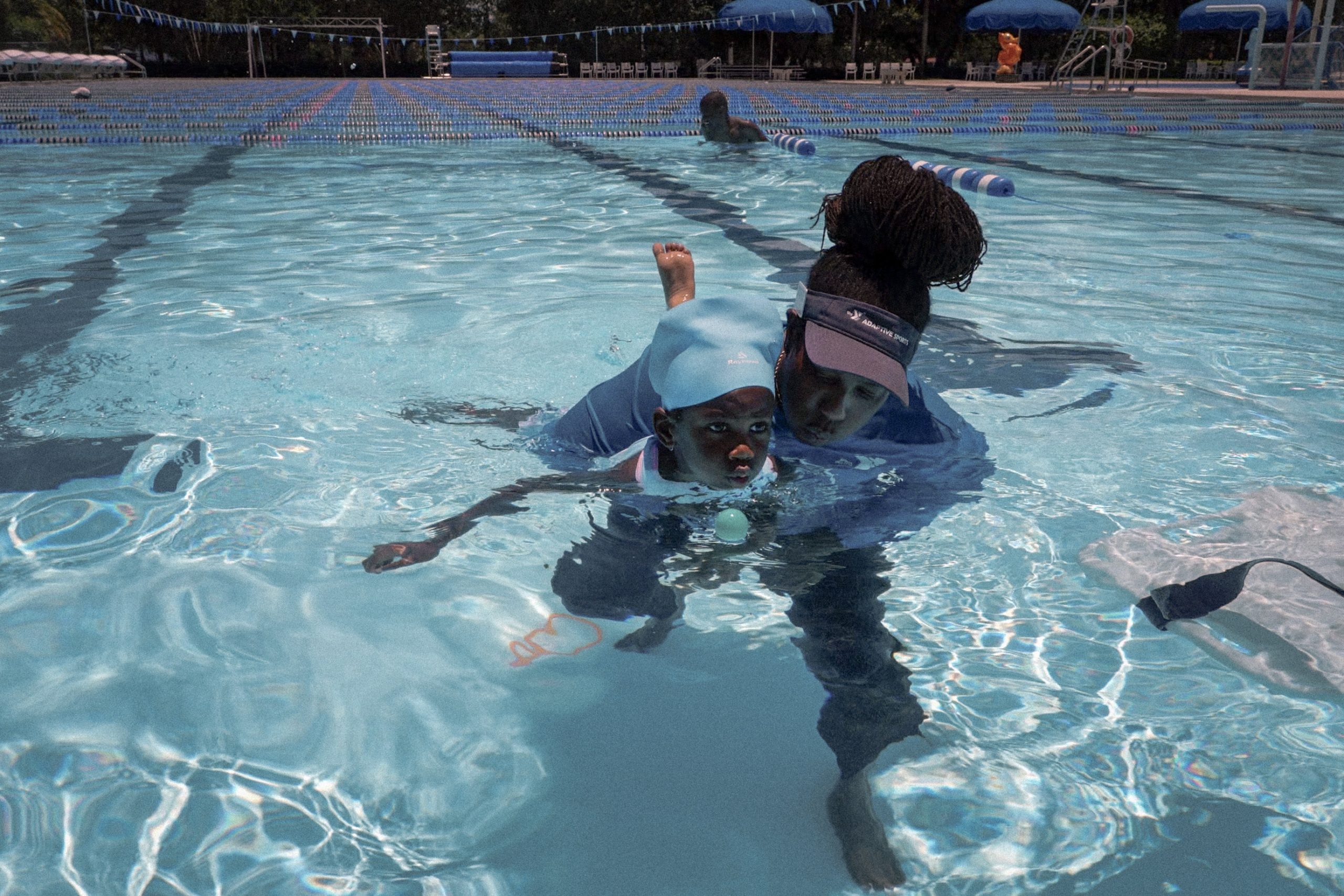
The program’s approach is tailored to individual needs, moving away from traditional group settings. Instructors focus on personalized experiences, whether a child thrives in the water or is hesitant to enter it. “We come at everything with a whole-person approach instead of just a physical approach. We do the physical, the emotional, the social,” explains Garland Jones, who oversees the special needs recreational program at the Weston YMCA.
For Mackenzie’s parents, the program has been a lifeline. They enrolled her in Swim Buddies, a low-cost initiative designed to support children with disabilities. “I really appreciate the program and specifically Miss Garland. She’s been very patient with Mackenzie and challenged her too,” Bucknor says. The personalized attention from instructors like Jones has made a noticeable difference in Mackenzie’s confidence and enjoyment of water.
Why Water Safety Matters
Autistic children often exhibit behaviors that increase their risk of drowning. Their curiosity and attraction to water can lead them to explore areas they shouldn’t, especially when they’re preoccupied or overwhelmed. For instance, Mackenzie’s love for water sometimes means she’s less aware of potential dangers. “She adores water,” her father, Steven Wesley, notes, “whether it’s the pool or beach, she enjoys it fully.”
Florida’s program is part of a broader strategy to address these risks. Healthcare providers are now encouraged to educate parents of newborns about water safety from the outset. This proactive education aims to instill habits that could save lives in the future. The YMCA’s 27 locations dedicated to children with learning differences further reinforce the state’s focus on inclusivity and early intervention.
Despite the progress, challenges remain. Not all families may be aware of the program or have the resources to enroll their children. However, the voucher system is designed to streamline access, ensuring that those most at risk are prioritized. The initiative also reflects a growing recognition of the importance of sensory-friendly environments in promoting safety and well-being.
The success of programs like Swim Buddies hinges on the dedication of instructors who understand the unique needs of each child. Jones, who works directly with swimmers and other therapists, emphasizes the value of patience and adaptability. “We might have a kid who loves to get in the bathtub and splash around in the water or we might have a child who is very fearful of getting in the water,” she says. The program’s emphasis on individualized care ensures that every child can progress at their own pace.
As the summer months bring more opportunities for children to play near water, Florida’s efforts to make swim lessons more accessible are gaining momentum. The hope is that by addressing the specific challenges faced by autistic children, the state can reduce the number of drowning incidents and create a safer environment for all young swimmers. For Mackenzie and her family, the program represents not just a step toward safety, but also a chance to build confidence and joy in the water.
Looking Ahead
Tania Santiago Perez, a professor at Florida State University, has observed the Swim Buddies lessons, noting their transformative impact. “I’ve seen how the program helps children overcome their fears and develop a sense of belonging,” she says. Her insights underscore the broader significance of such initiatives, which go beyond mere survival to foster independence and social integration.
With the new voucher program in place, Florida is setting a precedent for other states to follow. The combination of early education, community support, and targeted resources offers a model for addressing the unique needs of children with autism. As Mackenzie’s story illustrates, these efforts can make a tangible difference, turning a potential risk into a pathway for growth and safety.