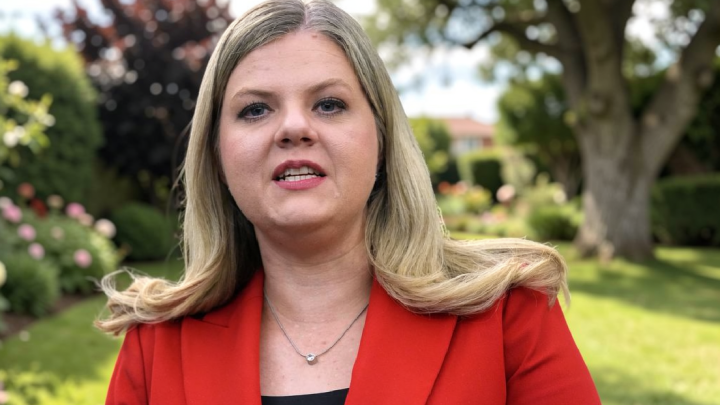
Medical groups offer vaccine guidance to fill federal vacuum

Daftar Isi
Four Major Medical Bodies Issue Joint Vaccine Guidance as Federal Process Stalls
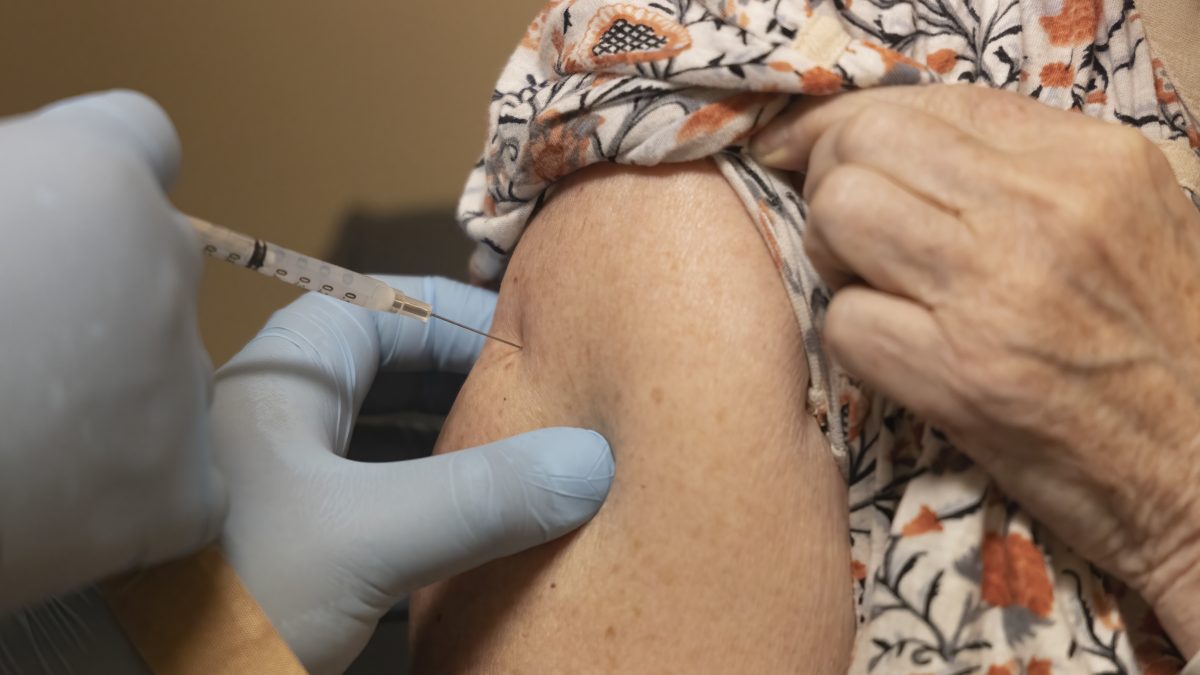
Ecorescuezone.com – With fall and winter respiratory season bearing down, students flooding back into classrooms, and fresh formulations of seasonal vaccines hitting pharmacy shelves, four of the nation’s largest medical organizations moved simultaneously on Wednesday to publish updated immunization guidance for Americans. The American Academy of Pediatrics, the American College of Obstetricians and Gynecologists, the American Academy of Family Physicians, and the Infectious Diseases Society of America each released recommendations urging continued vaccination against influenza, respiratory syncytial virus, and SARS-CoV-2. Independent safety and efficacy analyses accompanying the guidance confirmed that the newest iterations of these shots remain robustly protective against severe, potentially fatal complications from the viruses they target.
The coordinated timing is deliberate. The organizations are stepping into a gap left by the federal government’s inability to issue its own updated seasonal recommendations — a gap that has widened over recent months amid legal disputes and shifting political priorities at the Centers for Disease Control and Prevention.
The Federal Vacuum
In a normal year, the CDC would have published refreshed guidance by this point, telling clinicians and patients how to deploy the latest flu, RSV, and COVID vaccines most effectively. That process, however, has been effectively frozen. A lawsuit blocking the Trump administration’s attempt to trim the number of vaccines children receive on a routine schedule has stalled the agency’s ability to move forward with new seasonal recommendations. Health and Human Services Secretary Robert F. Kennedy Jr., a vocal critic of broad vaccination schedules, has pushed to reduce the federally recommended childhood immunization calendar, a position President Trump recently sought to revive.
The administration’s public position holds that children receive too many vaccines simultaneously and that those immunizations carry a link to autism. The overwhelming consensus among physicians, public health authorities, and infectious disease specialists runs sharply in the opposite direction: vaccines are extremely safe and highly effective, and no credible evidence supports a causal link between routine immunizations and autism spectrum disorder.
On Tuesday, the CDC did extend its 2025 influenza vaccine recommendations into the current season. Beyond that single action, the agency and the Department of Health and Human Services have remained silent on updated guidance for RSV and COVID-19 vaccines. Neither office responded to requests for comment on the status of federal guidance.
Broader Recommendations Than Federal Advice
The four organizations’ guidance goes further than what current federal advice endorses. Where the administration’s existing recommendations stop short of advising routine vaccination for healthy younger adults, young children, and pregnant individuals, the medical groups explicitly recommend that those populations receive their seasonal shots. The divergence matters because CDC recommendations carry downstream weight: they determine whether insurers cover the immunization, whether pharmacists are authorized to administer it, and whether federal programs such as Vaccines for Children supply it at no cost to eligible families.
Without federal guidance in place, patients and providers face ambiguity about coverage, access, and the appropriate schedule. The practical effect is that families may find themselves navigating conflicting signals about whether a particular shot is “recommended” for their child or themselves, and whether their insurer will pay for it.
Voices From the Briefing
Dr. Bruce Gellin, who leads the Vaccine Integrity Project — an independent initiative housed at the University of Minnesota created to counter vaccine questions promoted by the administration — framed the organizations’ action as a necessary intervention.
“Unfortunately today, the federal government is not fulfilling that responsibility in the way that it historically has. But the need for that work has not disappeared. We cannot allow the breakdown of the federal process to create a vacuum in evidence-based vaccine guidance.”
Gellin also addressed the public confusion directly:
“Americans are hearing conflicting messages about vaccines right now, and it’s understandable that people are asking whom they should trust. Americans should have access to the best available scientific evidence.”
Dr. Sandra Adamson Fryhofer, president-elect of the American Medical Association, spoke to the erosion of institutional trust that the situation has produced among clinicians.
“For decades, physicians like me have relied on federal vaccine recommendations because they were based on science and careful review. But with the massive changes at the federal level, trust is waning.”
Dr. Demetre Daskalakis, who stepped down last year as director of the CDC’s National Center for Immunization and Respiratory Diseases in protest of agency policies under the current administration, characterized the silence as actively harmful.
“The problem is that silence at this point is complicit with trying to not make sure people know about the importance of vaccines. The bottom line is that this is dangerous.”
Why the Timing Matters
The convergence of factors this season makes the guidance gap particularly consequential. Influenza and SARS-CoV-2 circulation are already trending upward in surveillance data. Schools are reopening, concentrating children in shared indoor spaces where respiratory viruses spread efficiently. The newest vaccine formulations — updated to match circulating strains — are becoming available in pharmacies and clinics. Every week without clear federal guidance extends the window in which patients may delay or forgo protection, and in which providers lack a uniform standard for counseling and billing.
The four organizations’ joint statement is not a substitute for the CDC’s role. It is, by their own framing, a stopgap: a way to ensure that evidence-based protection reaches patients before the peak of respiratory season arrives, even while the federal machinery remains locked in litigation and political dispute. For families deciding whether to schedule shots for children, expect insurance coverage, or plan prenatal care, the guidance now on the table from these bodies represents the most current, peer-reviewed scientific consensus available.
Related Reading
Frequently Asked Questions
What is Medical groups offer vaccine guidance to fill?
Medical groups offer vaccine guidance to fill is the main topic of this guide. The article explains the context, practical details, and next steps readers should understand.
Why does Medical groups offer vaccine guidance to fill matter?
Medical groups offer vaccine guidance to fill matters because readers are looking for a useful answer, not just a short summary. Good content should match search intent and help them decide what to do next.