Thunderstorms, heat and wind will hamper efforts to contain Colorado wildfires

Colorado Wildfires Face Challenges Amid Thunderstorms, Heat, and Wind
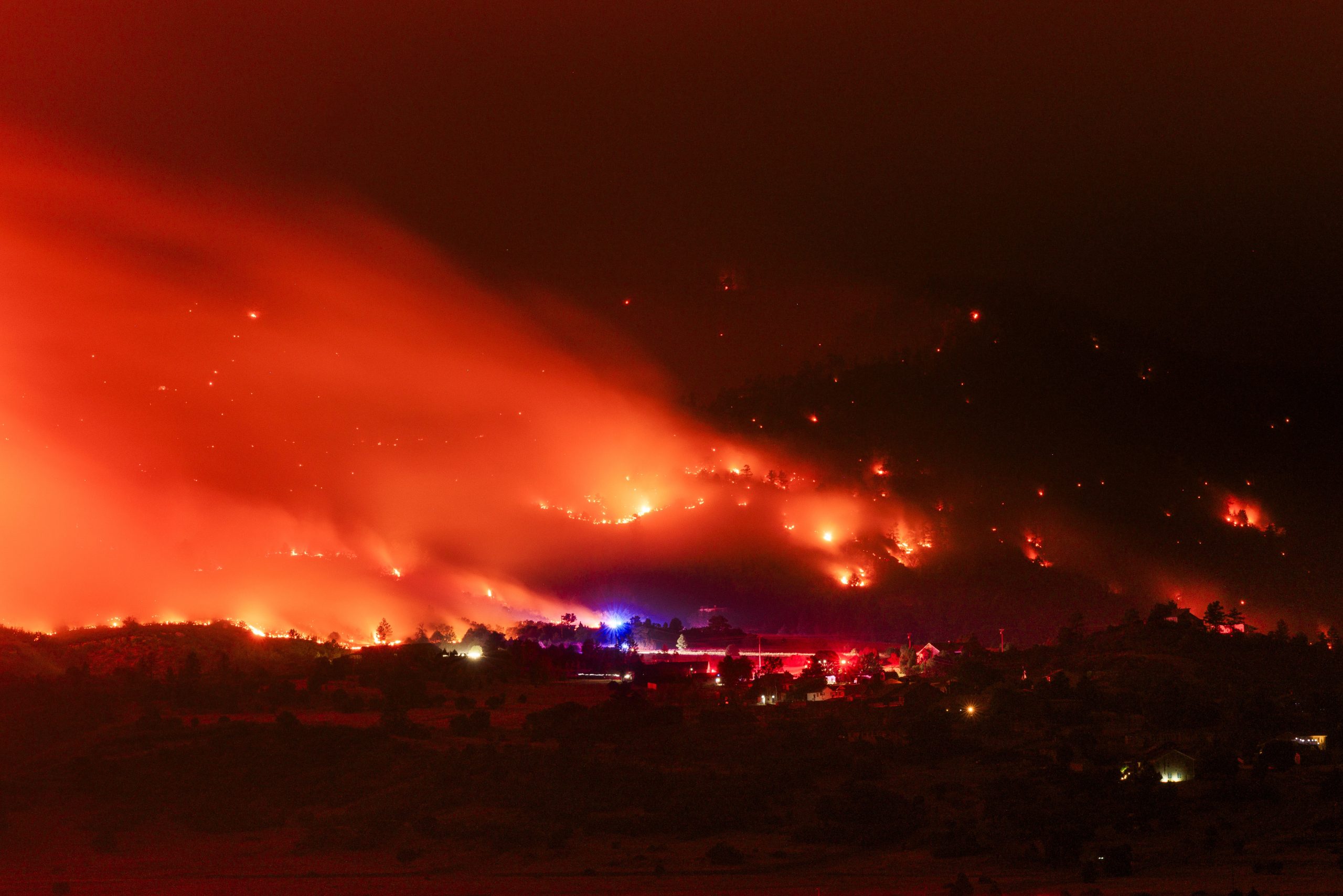
Thunderstorms heat and wind will hamper – As the summer season intensifies, wildfires in southern Colorado are being exacerbated by a combination of extreme weather conditions. High winds and thunderstorms are set to complicate containment efforts for a rapidly spreading blaze that has already consumed over 86,000 acres. The situation, which has drawn attention from local authorities and emergency responders, threatens to escalate further as the fire continues to expand across Pueblo and Custer counties, south of Colorado Springs.
Evacuation Orders and Regional Impact
Officials have issued evacuation directives or preparedness alerts across multiple counties, including Custer, Pueblo, Huerfano, and Fremont. Residents in these areas are urged to take immediate action to ensure their safety as the flames threaten nearby communities. The fire’s spread has forced local governments to coordinate emergency plans, with the primary focus on protecting homes and infrastructure while managing the risk of secondary hazards.
The National Weather Service (NWS) has forecast scattered showers and thunderstorms for south central and southwest Colorado on Sunday. While the precipitation could provide temporary relief by reducing fuel moisture and aiding firefighting operations, forecasters caution that it may also lead to complications. Road damage in previously burned areas and the possibility of flash flooding are among the concerns raised by experts, who are monitoring the storm system’s potential impact on both firefighting efforts and public safety.
“The primary threats from the storms will be gusty outflow winds reaching up to 50 mph and the risk of lightning strikes,” stated the NWS office in Pueblo. “These conditions could either assist in slowing the fire’s growth or create new challenges for crews on the ground.”
Additional Fires and Air Quality Concerns
Colorado is not only grappling with the Aspen Acres Fire but also several other active blazes. The Ferris Fire in southwest Colorado has grown to more than 42,000 acres, with 7% containment as of Sunday afternoon. Meanwhile, the Gold Mountain Fire, also located in the southwest region, has scorched over 25,000 acres and remains entirely uncontained. These fires are part of a broader pattern of wildfires that have become more frequent and severe due to prolonged drought and high temperatures.
Red flag warnings have been in effect across the state, signaling an elevated risk of fire ignition and rapid spread. Additionally, air quality alerts have been issued, urging residents to minimize outdoor activity due to heavy smoke that has blanketed the region. The Colorado Department of Public Health and Environment emphasized the importance of these warnings, noting that prolonged exposure to smoke can worsen respiratory conditions and affect visibility for emergency responders.
Firefighters Remembered in Tragic Incident
On Sunday, a memorial service was held to honor three firefighters who lost their lives while battling wildfires on the Colorado-Utah border on June 27. Emily Barker, Sydney Watson, and Nick Hutcherson were among those who perished in a devastating event that has left the firefighting community in mourning. Their deaths, which occurred during a “burnover incident,” highlight the perilous nature of the work undertaken to combat the region’s growing wildfire threat.
A burnover incident occurs when a fire rapidly advances and overtakes firefighters, forcing them to take cover while the flames pass directly over them. According to the Department of the Interior, the three firefighters, along with two others, were caught in such an incident. While two survivors were treated for burns, the loss of life underscores the dangers posed by the unpredictable behavior of wildfires, especially under extreme weather conditions.
“These three brave heroes ran toward the flames, putting themselves in harm’s way to protect Coloradans, our communities, and our families,” said Colorado Governor Jared Polis in a social media post. “Their sacrifice will be remembered for years to come.”
The governor’s decision to order flags to fly half-staff in their honor reflects the deep impact of the tragedy on the state. The memorial service, attended by fellow firefighters, local officials, and residents, served as a poignant reminder of the human cost of the wildfires. Polis also reiterated the need for continued vigilance, urging citizens to stay informed about fire conditions and evacuation orders.
Adjacent Fire in Utah Poses Ongoing Threat
Further complicating the situation is the Babylon Fire, which is burning across the southern Utah border and has expanded to over 90,000 acres. As of Sunday afternoon, the fire remains 0% contained, with officials predicting that it will remain hot and dry through Monday. The lack of humidity and sustained high temperatures are expected to keep conditions extremely challenging for firefighters working to bring the blaze under control.
While the Aspen Acres Fire and Babylon Fire are the most significant threats at the moment, other wildfires are also active throughout the state. The interconnected nature of these fires, fueled by dry vegetation and high winds, has created a complex wildfire environment. Firefighters are operating under difficult conditions, with limited resources and a high risk of encountering sudden changes in fire behavior.
Residents in affected areas are being advised to stay alert and prepare for potential evacuations. Local authorities have set up temporary shelters and are working closely with the National Weather Service to monitor weather patterns that could influence the fire’s movement. The combination of thunderstorms, heat, and wind is creating a volatile mix that challenges both containment efforts and the safety of those in the path of the flames.
Despite the challenges, firefighters remain steadfast in their mission. Their work is critical not only for saving lives and property but also for preventing the spread of fires to neighboring regions. The ongoing efforts to combat these blazes require a coordinated response from multiple agencies, including state and federal emergency management teams, and the support of the communities they serve.
As the days progress, the situation in Colorado and Utah continues to evolve. With the potential for further weather-related challenges, the focus remains on ensuring the safety of residents, responders, and ecosystems. The memories of the three firefighters who lost their lives will serve as a powerful reminder of the importance of preparedness and resilience in the face of natural disasters.