The U.S. faces Belgium in the World Cup on the heels of Trump-Infantino red card call

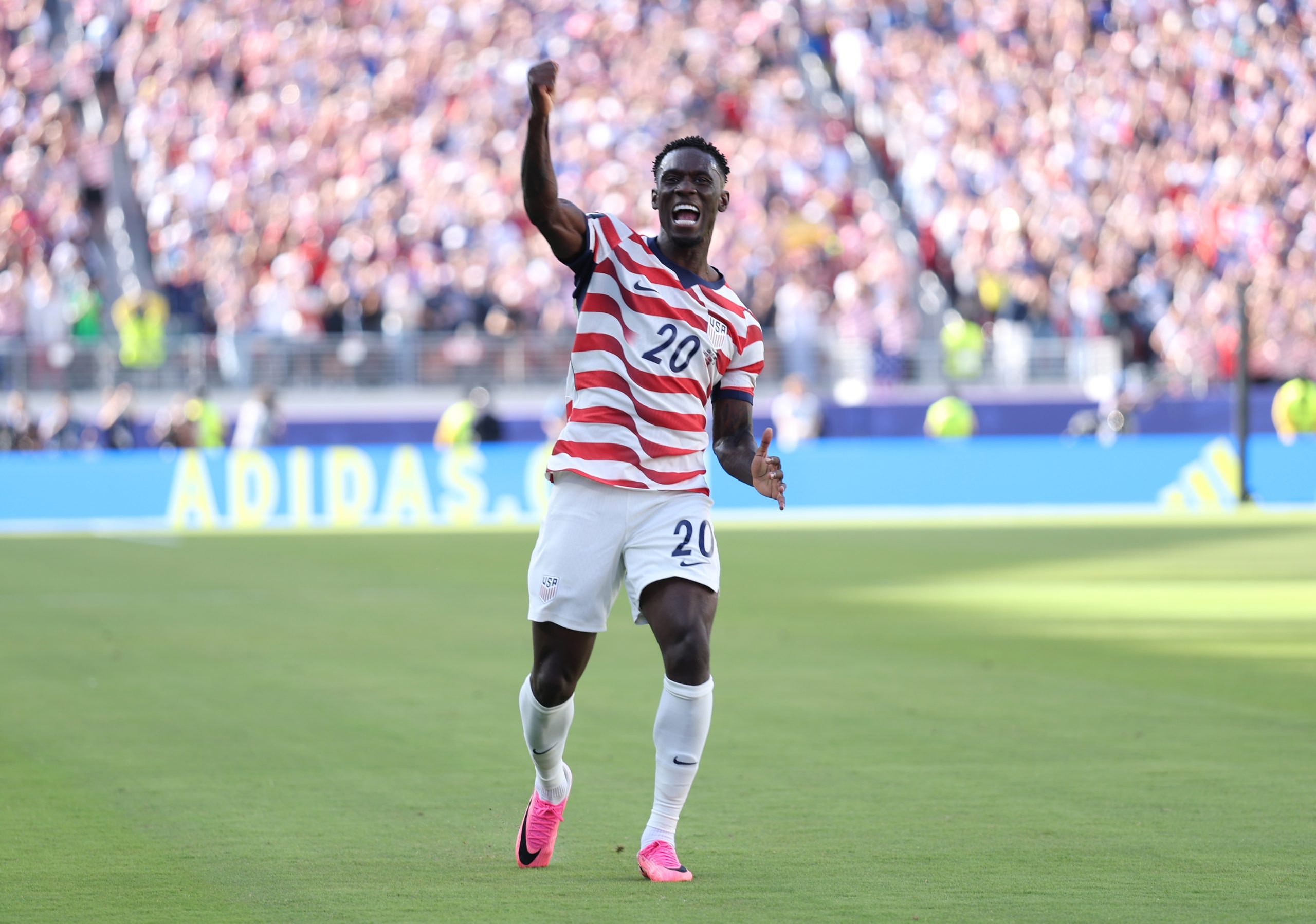
The U.S. Men’s Team Faces Belgium in World Cup Round of 16 Amid Controversy
The U S faces Belgium – SEATTLE — The U.S. men’s national team took to the field on Monday to confront Belgium in the FIFA World Cup Round of 16, a critical stage in the tournament. Their star forward, Folarin Balogun, had returned from a suspension after a contentious incident in the Round of 32, but the team’s morale was shadowed by debates over the fairness of their punishment and the role of political influence in FIFA’s decisions.
Red Card Controversy and a Last-Minute Decision
The controversy began during the U.S. team’s match against Bosnia-Herzegovina last week, where Balogun was shown a red card for a challenge that sparked immediate debate. The video referee reviewed the play in slow motion, yet the decision to send off the forward remained unclear. Questions arose about whether the contact with the defender’s leg was intentional and if the rules were applied consistently across the World Cup.
“It was never a red card. It was a mistake,” said U.S. coach Mauricio Pochettino, who praised the decision to allow Balogun to return for the clash with Belgium. “Everyone has said it, 99.9% of people, that it was an unfair punishment.”
By the time the U.S. squad arrived in Seattle, the team had accepted the red card as a given. Balogun’s absence was a challenge, but his return raised fresh questions about FIFA’s procedural transparency. Just days before the match, a FIFA disciplinary panel announced a surprising reversal: Balogun would serve a one-year probation instead of a one-game suspension. The move allowed the striker to participate in the game, but it left many in the football community wondering about the rationale behind the change.
Trump’s Direct Line to FIFA: A Political Tilt?
Amid the confusion, reports emerged that President Donald Trump had personally intervened with FIFA President Gianni Infantino. According to an anonymous official who spoke to NPR, Trump called Infantino after the Round of 32 game to inquire about Balogun’s red card and the subsequent suspension. The call, described as “extraordinary,” added fuel to the debate over whether political considerations had influenced the decision.
FIFA had not yet commented on the conversation, but the timing of the suspension reversal seemed too convenient for some. The Belgian federation, which had criticized the decision, accused FIFA of prioritizing external pressures over objective judgment. “The Belgian federation isn’t only defending itself or the national team — it is defending all of football, its integrity and its ethics,” said Belgium’s coach Rudi Garcia, expressing disbelief at the sudden shift in Balogun’s status.
Reactions from Both Sides: A Divided Football World
Garcia, when asked about the decision during a pre-game press conference in Seattle, remarked with a mix of frustration and humor. “I didn’t know that, in the FIFA offices, July 5th was April Fool’s Day,” he said, highlighting the surreal nature of the turn of events. The Belgian federation’s stance was clear: they intended to challenge the ruling through all available avenues, arguing that the suspension should have been enforced as originally planned.
Meanwhile, the U.S. team appeared to embrace the situation. Despite the controversy, they focused on preparing for the match, confident in their ability to overcome Belgium. “We’re going into this game with confidence because of what we’ve done so far in the tournament,” said defender Chris Richards, reflecting the team’s resolve. However, the possibility of a victory being questioned due to FIFA’s intervention loomed large over their preparations.
A Pattern of Delay: Past Suspensions and Current Doubts
This was not the first time FIFA had faced criticism for its handling of suspensions. Earlier in the tournament, a similar controversy arose when Portugal’s Cristiano Ronaldo received a red card in a November qualifier but was given a three-game suspension delay. The same regulation that allowed Balogun to play now appeared to be applied inconsistently, raising concerns about fairness.
FIFA’s decision to extend Balogun’s suspension into a probationary period drew comparisons to Ronaldo’s case. Critics argued that the rules had been manipulated to benefit top-tier players, potentially undermining the credibility of the competition. The lack of explanation from the disciplinary committee only intensified these doubts, as they failed to clarify the circumstances that led to the reversal.
Belgium as the Ultimate Challenge
Belgium, ranked No. 9 in the world by FIFA, posed a formidable opponent for the U.S. men’s team, which was positioned at No. 17. Their history in March, when they defeated the U.S. 5-2 in a friendly, underscored the challenge ahead. The U.S. had entered the tournament with high hopes, but their previous loss to Belgium highlighted the gap in competitiveness.
Despite the setback, U.S. players remained optimistic. “The result didn’t quite go our way, but that’s okay, we learned from it,” Richards said. The team viewed the upcoming match as a chance to prove their growth, even as the debate over Balogun’s inclusion continued to dominate headlines.
The Road Ahead: Quarterfinals and a Test of Resilience
Victory against Belgium would mark a historic milestone for the U.S. men’s team, sending them to the quarterfinals for the first time since 2002. That year, the Americans reached the final, a feat still unmatched in modern World Cup history. Now, they face a daunting path, with the quarterfinals set to feature the winner of Monday’s Spain-Portugal clash.
Yet the U.S. victory might come with a bittersweet taste. The outcome would be scrutinized for its fairness, especially if Balogun played a pivotal role. Fans and analysts would question whether FIFA’s intervention had tilted the odds in favor of the American team. As the match approached, the tension between the U.S. and Belgium was palpable, with both sides eager to assert their dominance.
With the stakes high and the narrative shifting, the game became more than a contest of skill—it was a test of FIFA’s commitment to impartiality. Whether the U.S. could secure a spot in the quarterfinals without controversy remained uncertain, but the drama surrounding Balogun’s return ensured the match would be remembered as a pivotal moment in World Cup history.