US military hits 3 Iranian oil tankers after saying Navy warships were targeted

US Military Hits 3 Iranian Tankers in Gulf Strikes
Ecorescuezone.com – The US military hits 3 Iranian oil tankers in a coordinated operation across the Persian Gulf and Gulf of Oman, marking the sharpest economic escalation of a six-month war between Washington and Tehran. American forces struck the vessels on Saturday after the Pentagon confirmed that missile salvos had been fired at a US Navy carrier and destroyer operating in the region. The sequence of events ended a fragile lull and pushed the conflict back into open military confrontation.
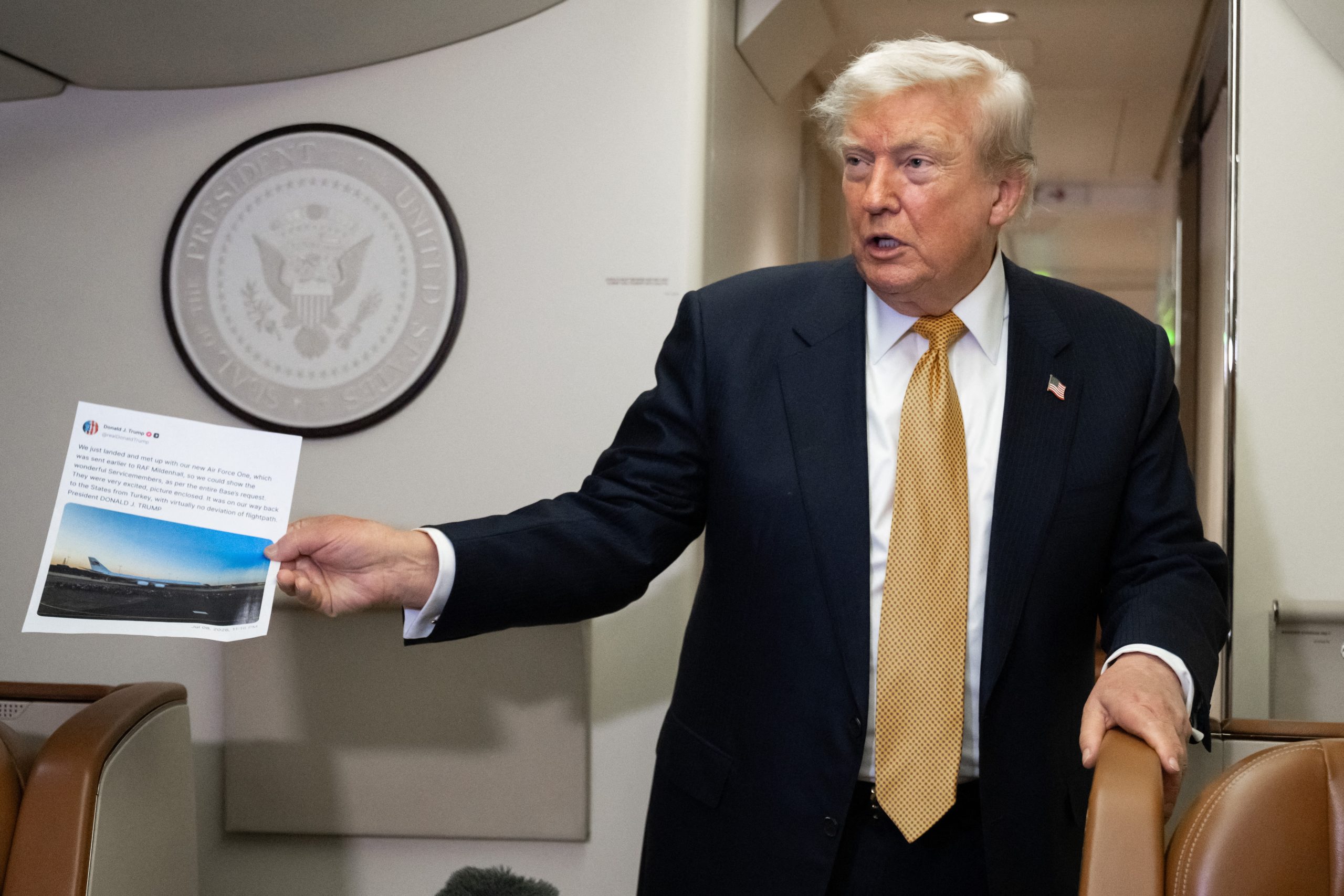
The strikes landed the day after President Donald Trump publicly dismissed the broader war as “small potatoes.” That characterization now clashes with the scale of operations clearly designed to degrade Tehran’s oil revenue while demonstrating that American naval assets will not be treated as soft targets.
How the Tanker Strikes Unfolded
US Central Command described the carrier and destroyer as patrolling routine waters when they faced what officials termed “multiple unprovoked Iranian attacks.” Both ships evaded the incoming missiles, and no American service members were wounded. In immediate retaliation, US forces moved against three Iranian oil carriers operating in the vicinity.
Two of the vessels were rendered “permanently disabled,” while the third — an empty tanker — was destroyed outright. The Pentagon released video footage documenting each strike. According to the statement, the tankers belonged to a shadow shipping network that channels revenue to Iran’s Islamic Revolutionary Guard Corps and to armed proxy groups operating across the region.
“We will not hesitate to defend American forces, and if necessary, destroy Iran’s limited and exposed oil fleet,” said Adm. Brad Cooper, commander of US Central Command.
Strike Locations Span Iran’s Export Corridor
One loaded tanker was hit off Kharg Island, the offshore platform through which Iran funnels the vast majority of its crude exports. Iranian state television reported that four US missiles impacted the vessel roughly six miles (10 kilometers) from the island’s shore. Kharg Island has been a recurring target throughout the war, including American airstrikes on military installations there in March.
A second tanker was struck near Jask, a port city east of the Strait of Hormuz. The unladen third vessel was hit further south in the Gulf of Oman. Together, the three locations span the full width of Iran’s maritime export corridor, indicating an operation calibrated to disrupt oil movements regardless of which route the tankers attempt.
A Conflict Cycling Between Fire and Standstill
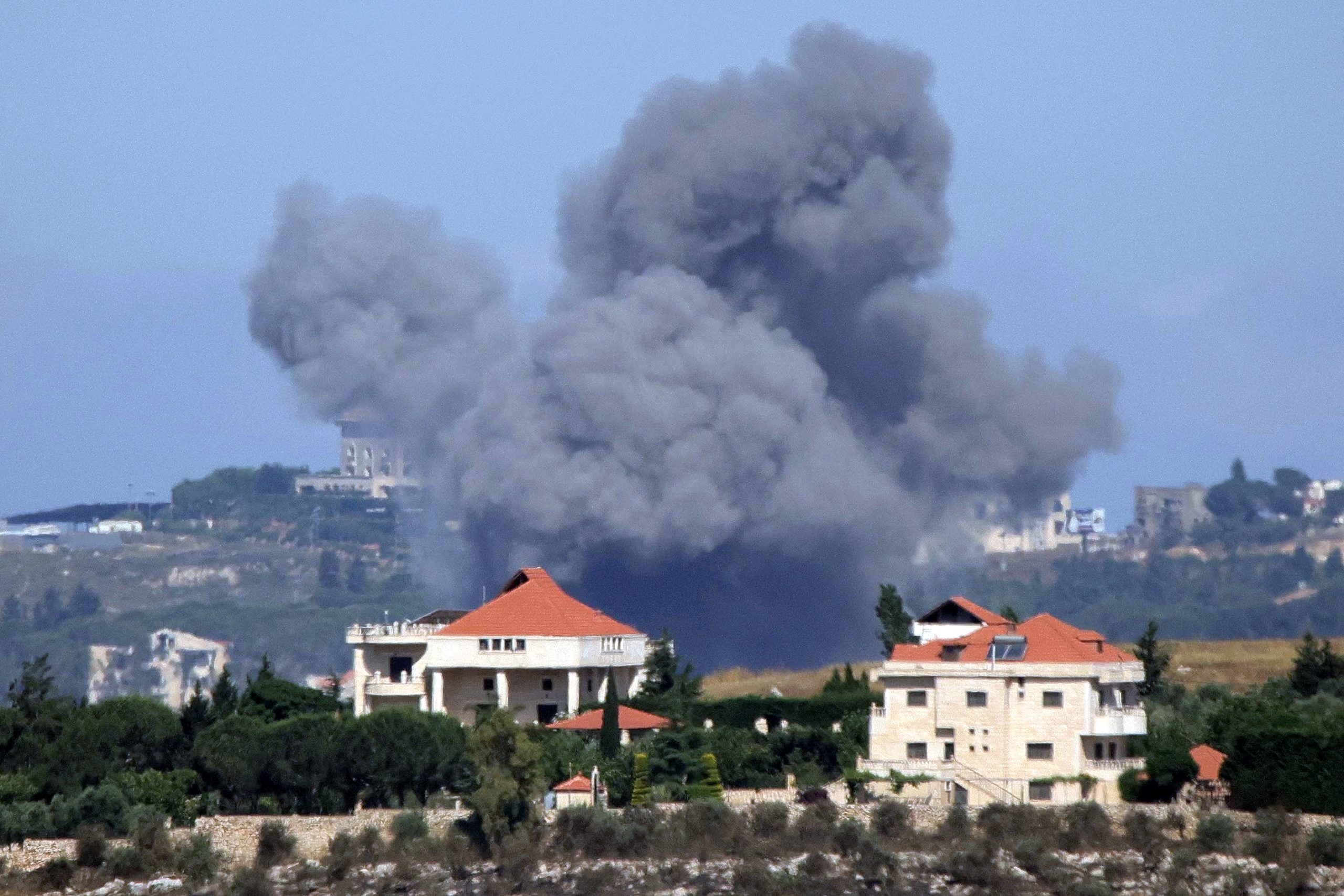
The latest escalation arrives nearly a week after both sides resumed exchanges following roughly a month of relative quiet. That pause had been fragile: earlier in the same week, a US bombardment of southern Iran killed at least five civilians, one of whom was attending a wedding when a strike landed nearby. Coastal communities lining the strait have again come under fire.
The broader conflict traces back to February 28, when US and Israeli forces launched coordinated strikes on Iranian targets. Since then, the war has cycled between intense fighting and uneasy standstills. Both governments have pursued dual objectives — degrading each other’s military capability while squeezing the opponent’s economy. Diplomatic tracks have collapsed, and the tanker strikes represent a clear tilt back toward sustained combat operations.
Nuclear Stalemate and the Hormuz Lever
At the root of the war lies Iran’s nuclear program, the issue that ultimately drew the United States and Israel into direct military action. A memorandum of understanding signed by both sides in mid-June was meant to reopen a negotiation track on that question. Instead, talks unraveled quickly, and Tehran’s bargaining position has shifted away from the nuclear file toward something more immediate: control of the waterway through which roughly a fifth of the world’s oil passes.
The Strait of Hormuz, long treated under international law as a shared waterway, has become the central lever in Tehran’s hand. Iranian hard-liners, many of whom rose to senior positions amid the crisis, have signaled a willingness to endure prolonged sanctions — a posture shaped by decades of living under economic pressure. New US efforts to tighten financial and trade restrictions on Tehran have not, so far, produced concessions.
Frequently Asked Questions
Where were the three Iranian tankers struck? One loaded tanker was hit off Kharg Island in the Persian Gulf, a second near Jask east of the Strait of Hormuz, and a third unladen vessel in the Gulf of Oman. The three locations collectively cover the full span of Iran’s oil export corridor.
Were any US service members injured? No. The Pentagon confirmed that both the carrier and the destroyer evaded the incoming missiles and that no American personnel were wounded during the engagement.
What was the stated reason for the strikes? US Central Command said the tanker operations were a direct response to “multiple unprovoked Iranian attacks” on American naval vessels. The tankers were also identified as part of a shadow shipping network linked to the IRGC and regional proxy groups.
How long has the US-Iran war been ongoing? The conflict began on February 28 with coordinated US and Israeli strikes on Iranian targets. As of the latest escalation, it has lasted roughly six months, cycling between periods of intense fighting and fragile pauses.