Is that food really made with 100% avocado oil? Likely not

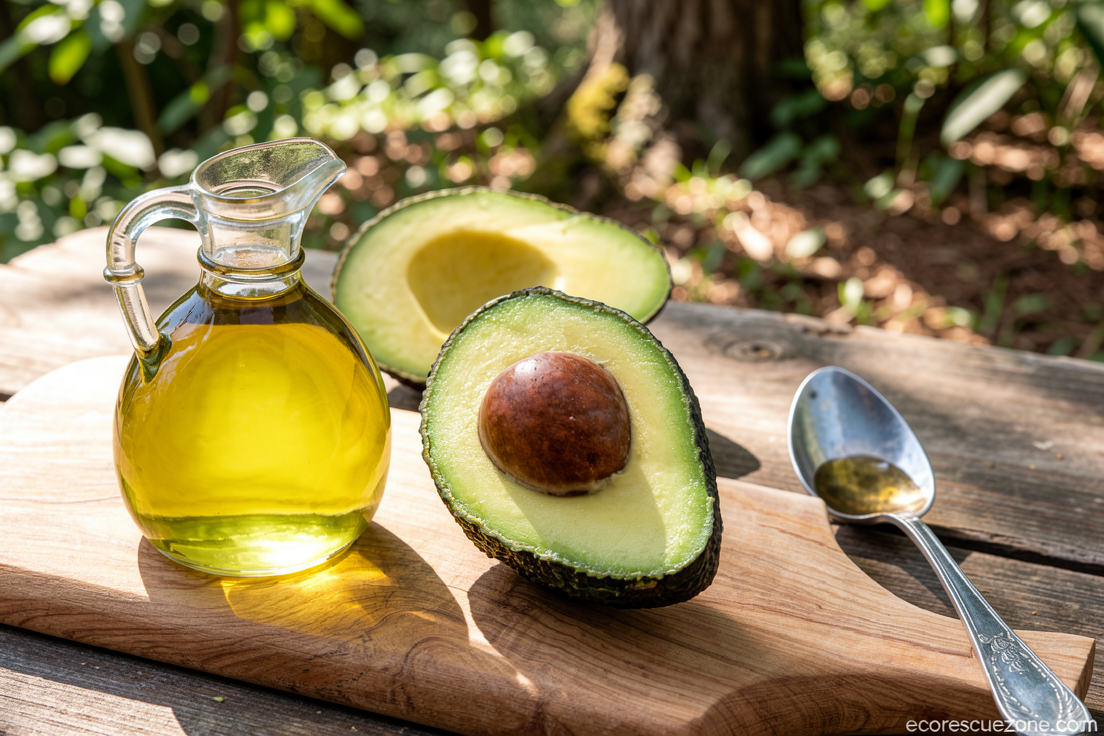
Consumer Deception in the Avocado Oil Market: A Comprehensive Analysis
Ecorescuezone.com – The avocado oil sector is currently experiencing unprecedented growth in consumer popularity. When shoppers navigate supermarket aisles today, they encounter an expanding array of packaged items—including chips, salad dressings, and mayonnaise—each prominently advertising the use of avocado oil as a primary ingredient. However, emerging research reveals a troubling reality: consumers who willingly pay higher prices for these products are frequently receiving something quite different from what they expect.
These findings arrive at a particularly significant moment, as public enthusiasm for avocado oil continues to surge due to its reputation for health benefits. The new data strengthens existing evidence suggesting that fraudulent practices are widespread throughout the avocado oil industry.
Methodology and Key Findings
Selina Wang, a distinguished professor of food science at the University of California, Davis, led the investigation published in the journal Applied Food Research. She emphasized the implications for everyday consumers: “If you’re buying avocado oil products, it’s very likely that you’re not getting what you’re paying for.”
Wang and her research team acquired fifty-four different products that explicitly claimed to contain only avocado oil. Through rigorous chemical analysis, they discovered that an overwhelming majority—eighty-nine percent—contained evidence of adulteration with less expensive oils, particularly soybean oil. Remarkably, one individual sample appeared to contain virtually no avocado oil whatsoever. Perhaps most concerning, the researchers found no meaningful correlation between product price and oil authenticity.
“So this is largely an avocado oil product problem,” Wang says.
The UC Davis research team has made available the complete catalog of tested products alongside their corresponding analytical results for public review.
Comparative Analysis with Olive Oil
To establish meaningful context, the researchers conducted parallel testing on twenty packaged foods formulated with olive oil. Only a single product demonstrated any signs of adulteration, highlighting a stark contrast between the two oil categories.
Wang expressed disappointment with these results, though she noted they aligned with her earlier investigations. Her previous publications in 2020 and 2023 documented that most commercially bottled avocado oils were either rancid—indicating the onset of oxidation—or had been adulterated with other oils.
The recent influx of new packaged food products bearing avocado oil labels prompted Wang to investigate their authenticity more thoroughly. She admitted her curiosity stemmed from a simple observation: “I didn’t think we had this much avocado oil to go around.”
Expert Perspectives on Health Claims
Sarah Berry, a professor of nutrition at King’s College London who has extensively examined the relationship between dietary fats and human health, provided valuable commentary on the situation. She explained that growing consumer interest in avocado oil stems partly from its perception as a healthier substitute for seed oils such as canola, soybean, and safflower. Berry noted that many nutrition researchers believe seed oils have been unfairly criticized in recent years.
“Where I struggle is the health halo that it’s been given,” Berry says regarding avocado oil.
Berry acknowledged that substantial research supports the health benefits of consuming avocados directly. However, she pointed out that direct evidence specifically concerning avocado oil remains comparatively limited.
“We have decades of data showing that extra virgin olive oil is healthy. We have decades of data showing that most seed oils are healthy, whether it’s canola oil, sunflower seed oil or soybean oil,” Berry explained.
Given this extensive body of evidence, Berry concluded that paying premium prices for avocado oil products is difficult to justify scientifically.
The Economics of Adulteration
Teresa Fung, an adjunct professor of nutrition at Harvard T.H. Chan School of Public Health, shared a straightforward recommendation: “I would rather eat the avocado instead.”
Wayne Adams, CEO of the Adams Group, which refines avocado oil domestically and markets it under the Marianne’s brand, highlighted the economic factors driving fraud. Avocados themselves carry high costs and produce relatively limited quantities of oil, explaining why avocado oil commands premium prices. Meanwhile, seed oils remain considerably more affordable.
“You just find people that look at the economic difference and they just see the incentive to adulterate,” Wayne explained.
Adams advocated for stronger regulatory intervention to protect legitimate businesses from competitors who cut corners.
Eric Decker, a food science professor at the University of Massachusetts Amherst specializing in fats and oils, noted that oil adulteration for profit maximization has persisted for decades. He cited historical examples where olive oil was frequently mixed with hazelnut oil due to their similar fatty acid compositions, before hazelnut wholesale prices escalated significantly.
Decker, Adams, and Wang all agreed that increased regulatory oversight would benefit both consumers and honest producers in the industry.